

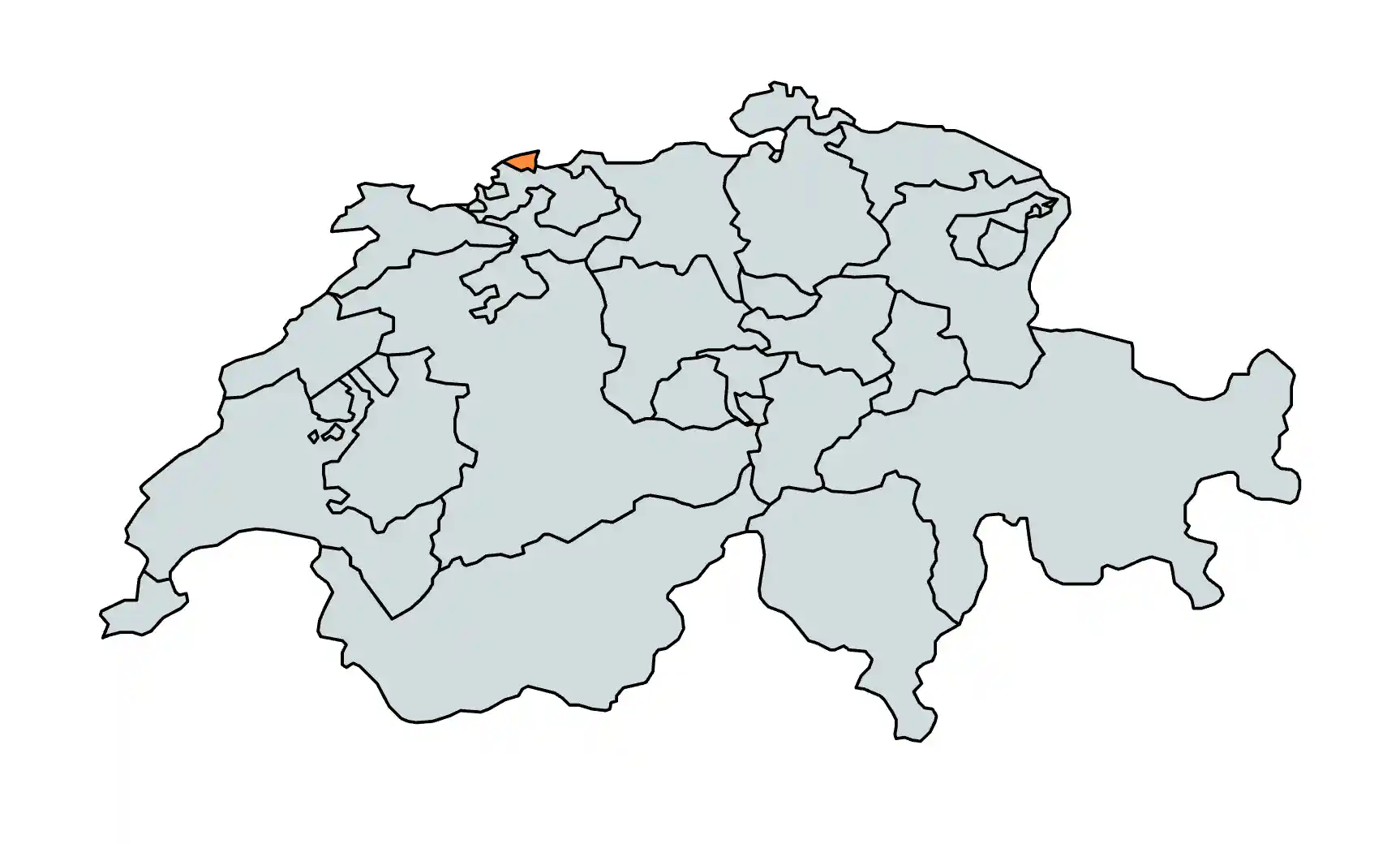
A world of art and light waits for you where the Rhine river makes a sharp turn toward the north. You find yourself in a city of red sandstone cathedrals and ultra modern museums designed by world famous architects. The river is the heart of the city where people swim in the blue water during the hot summer days. The vibe is sophisticated and creative with a focus on high culture and historic trade.
The old town of Basel is a maze of narrow alleys and hidden squares that lead to the grand Minster on the hill. You can visit the Kunstmuseum to see one of the oldest public art collections in the world. The roads connect you easily to the borders of France and Germany in just a few minutes. It is a city of bridges that looks beautiful from every angle. You feel the energy of a global crossroads in the busy market squares.
This is a place for walks along the river bank and dinners in old guilds. You can find quirky shops and great coffee in the trendy Kleinbasel district across the water. The architecture ranges from medieval gates to the sleek lines of the Roche towers. Basel-Stadt is a small urban space that holds the weight of a grand history. It is a bright and bold start to any journey through the north.
Basel-Stadt (canton) highlights
- Rehberger Weg (Art Trail) Follow this five kilometer path that links two countries and two world class art institutions through vineyards and orchards. It features twenty four unique waypoints designed by artists that make the walk an outdoor gallery.
- Chrischona Tower Viewpoint Drive up to the highest point in the canton to find a massive television tower and a panoramic terrace. On a clear day you can see the entire Rhine bend and the distant peaks of the Swiss Alps.
- Wenkenhof Park Explore the sprawling gardens of this elegant baroque villa located on the edge of the Riehen hills. the park features manicured lawns and hidden statues that offer a quiet escape from the urban center.
- Petting Zoo at Lange Erlen Park by the river to visit this local animal park focused on regional breeds and wildlife conservation. The surrounding forest trails are perfect for a shady walk along the water away from the city heat.
- Riehen Old Village Core Discover the historic heart of the "large village" where traditional timber architecture meets high end modern galleries. It feels like a quiet country town even though it is just minutes from the city limits.
- Dreiländereck (Three Country Point) Visit the industrial harbor area where the borders of Switzerland, France, and Germany meet in the middle of the Rhine. The modern sculpture and the view of the big ships moving north are very unique.
- The Wiese River Path Follow the flat gravel roads along this smaller river for a peaceful drive or bike ride toward the German border. The area is a protected green zone where locals go to swim and grill in the summer.
- Foundation Beyeler Gardens Spend time in the stunning park surrounding the museum which features massive lily ponds and sculptures by world famous artists. The building blends into the landscape so perfectly that the cows graze right next to the glass walls.
- St. Jakob Historical Site Visit the area where a famous medieval battle took place which helped shape the Swiss national identity. Today it is a mix of historic monuments and modern sports architecture located on the city edge.
- Hardwald Forest Drive to the southern fringe of the canton to explore a massive forest that acts as the green lungs of the region. The wide paths and quiet clearings are ideal for a mid trip stretch and a breath of fresh forest air.
The local Four
History of Basel-Stadt (canton)
The story of Basel-Stadt canton began at a natural harbor where the Rhine makes a sharp turn toward the north. The Celts and later the Romans recognized this as the perfect spot for a crossing. In the Middle Ages the city became a powerful center for European diplomacy. In 1431 a great council brought the most important thinkers and leaders of the world to the city for nearly two decades turning it into a global hub.
This concentration of wealth turned the region into a sanctuary for the early printing industry. When the university was founded in 1460 it became the oldest in the country and attracted world famous scholars. The city became a hub for scientific discovery and independent trade. The red sandstone of the Basel Minster and the massive city gates stood as symbols of a republic that valued knowledge and the flow of goods along the water.
The river trade brought massive riches from the spice and silk routes of the north. This allowed the city to invest in high culture and art long before its neighbors. The local guilds grew so powerful that they eventually took control of the government creating a merchant led state. The history is a tale of how a small river port used the power of the mind and the Rhine to become a global capital of art and science.