

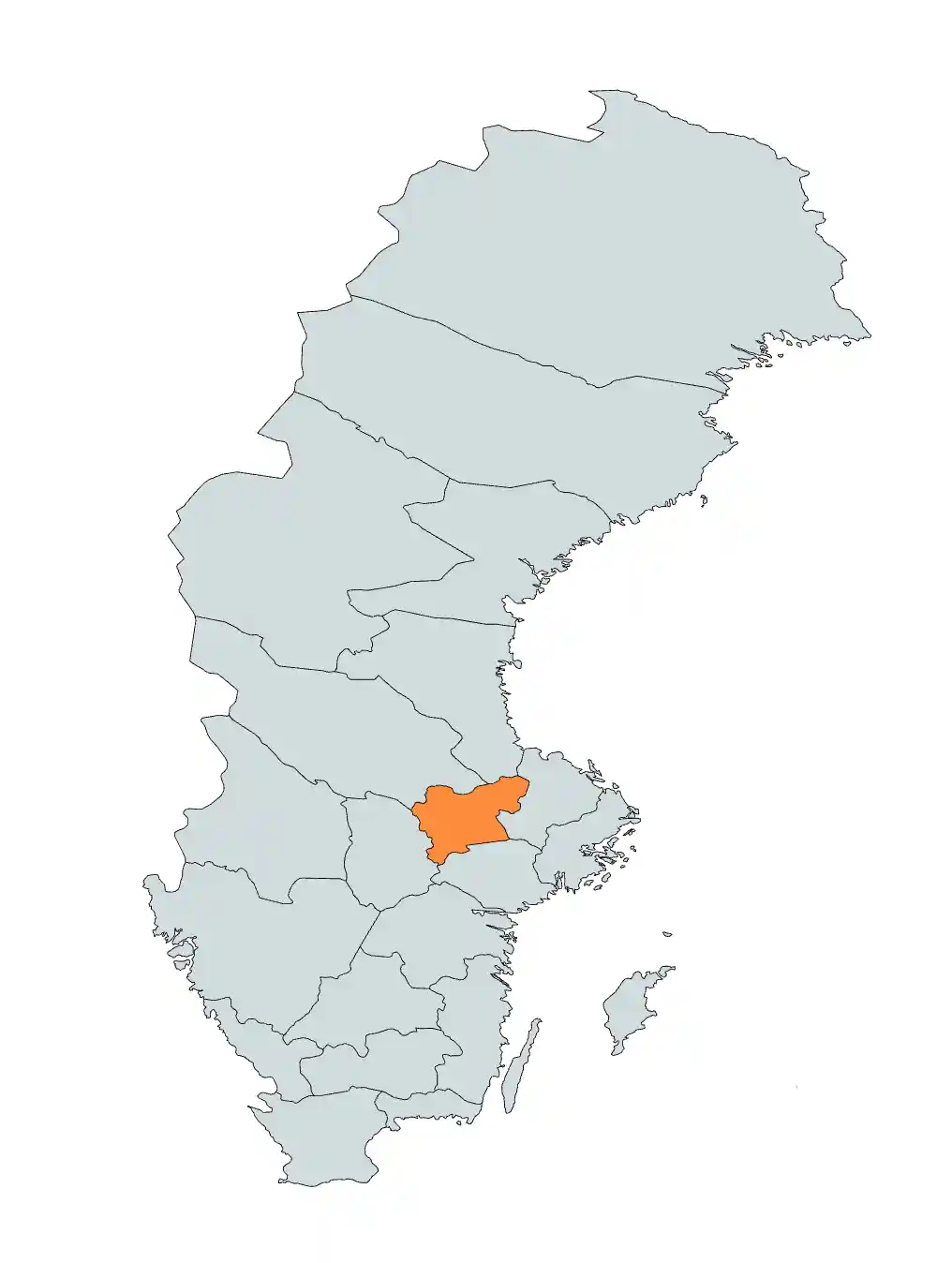
Västmanland is a region of hidden riches where the wealth of Sweden was once dug from deep underground. The landscape is filled with old silver mines and massive ironworks that powered the nation for centuries. You can descend into the cool depths of the Sala Silvermine or explore the well-preserved industrial villages that look like film sets. These "bruksmiljöer" are gems of architecture surrounded by quiet ponds and lush greenery.
The province is not just about industry as it also offers beautiful lake views and deep forests. Lake Mälaren defines the southern border with its many bays and historic castle ruins. Further north the wilderness takes over with miles of gravel roads that lead to quiet fishing spots and berry-filled woods. You can still see the scars of the great forest fire of 2014 which has now become a unique site for watching nature regenerate in vibrant colors.
A road trip here combines the grit of history with the peace of the countryside. You might find yourself at a grand manor house for a high-end lunch and then an hour later standing in a field of ancient Viking graves. The roads are perfect for those who like to discover hidden gems away from the crowds. It is a place of quiet strength where the history of hard work has left a beautiful and lasting mark on the land.
Västmanland highlights
- Sala Silvermine Descend over one hundred meters into the earth to explore a vast labyrinth of tunnels that were once the richest mines in the country. You can even stay overnight in a suite carved directly into the cold silver rock.
- Engelsberg Ironworks Visit a site that is considered the best preserved industrial ironworks in the world. The site features a grand manor house and the oldest oil refinery in Europe tucked among the trees.
- Anundshög Stone Ships Walk among massive stones arranged in the shape of Viking ships beside the largest burial mound in Sweden. This ancient royal site was a major center of power and is still a place of mystery and history.
- Strömsholm Palace Drive to this grand yellow palace built for a queen and famous for its royal horse stables and green parks. The surrounding fields are filled with massive oak trees and are perfect for a quiet afternoon stroll.
- The Great Fire Area See the dramatic landscape where a massive forest fire changed the earth in 2014 now becoming a unique nature reserve. New life is returning in vibrant colors and the charred trees create a surreal and powerful view.
- Västerås Officers’ Mess Explore the historic military buildings in the city where you can see old aircraft and learn about the aviation history of the region. The area sits right on the water and provides a great mix of history and lake views.
- Kungsör Royal Estates Visit the quiet town that was a favorite retreat for the warrior kings who loved to hunt in the nearby woods. The area features historic stone bridges and trails that follow the old royal paths through the countryside.
- Tidö Castle Tour a stunning 17th century castle that is still a private home but opens its doors to show a world class toy museum. The architecture is a perfect example of the Swedish empire era with grand halls and heavy stone gates.
- Skinnskatteberg Wilderness Drive deep into the northern part of the province to find forests where wolves and moose outnumber the people. It is the best place for a guided night hike to hear the calls of the wild in the dark woods.
- Vallby Open Air Museum Wander through a collection of historic farms and city houses that show how people lived in the region over the last three centuries. You can see traditional animal breeds and watch craftsmen work in the old shops.
The local Four
History of Västmanland
Västmanland was the literal "Treasury of the Realm" for over 400 years. The Sala Silvermine, which began major operations in the 1500s under King Gustav Vasa, produced the silver for the Swedish currency and funded the country’s rise as a Great Power. At its peak, the mine was one of the five most important silver sources in the world. This industrial heritage continued at Engelsberg Ironworks, which is now a world heritage site because it is the best-preserved example of a 17th-century industrial village on the planet.
The province also played a central role in the birth of the Swedish parliament. In 1435, the first national assembly was held in Arboga, marking the beginning of the country’s democratic tradition. This was a land of "Bergsmän", farmers who also owned shares in mines and forges. Creating a wealthy middle class that shaped the nation’s politics. During the 1600s, the region also became a center for the royal mail and transport routes, connecting the mines of the north to the ports of Lake Mälaren.
Your route through the province takes you past the Anundshög burial mound. It's the largest in Sweden, where Viking kings held their local assemblies in the 900s. You find the Tidö Castle, a massive 1620s palace built by the Chancellor Axel Oxenstierna. This man effectively ran the Swedish Empire. The landscape is a mix of these grand political seats and the deep, dark mines that paid for them. Västmanland is a province of iron, silver and the birthplace of Swedish democracy.