

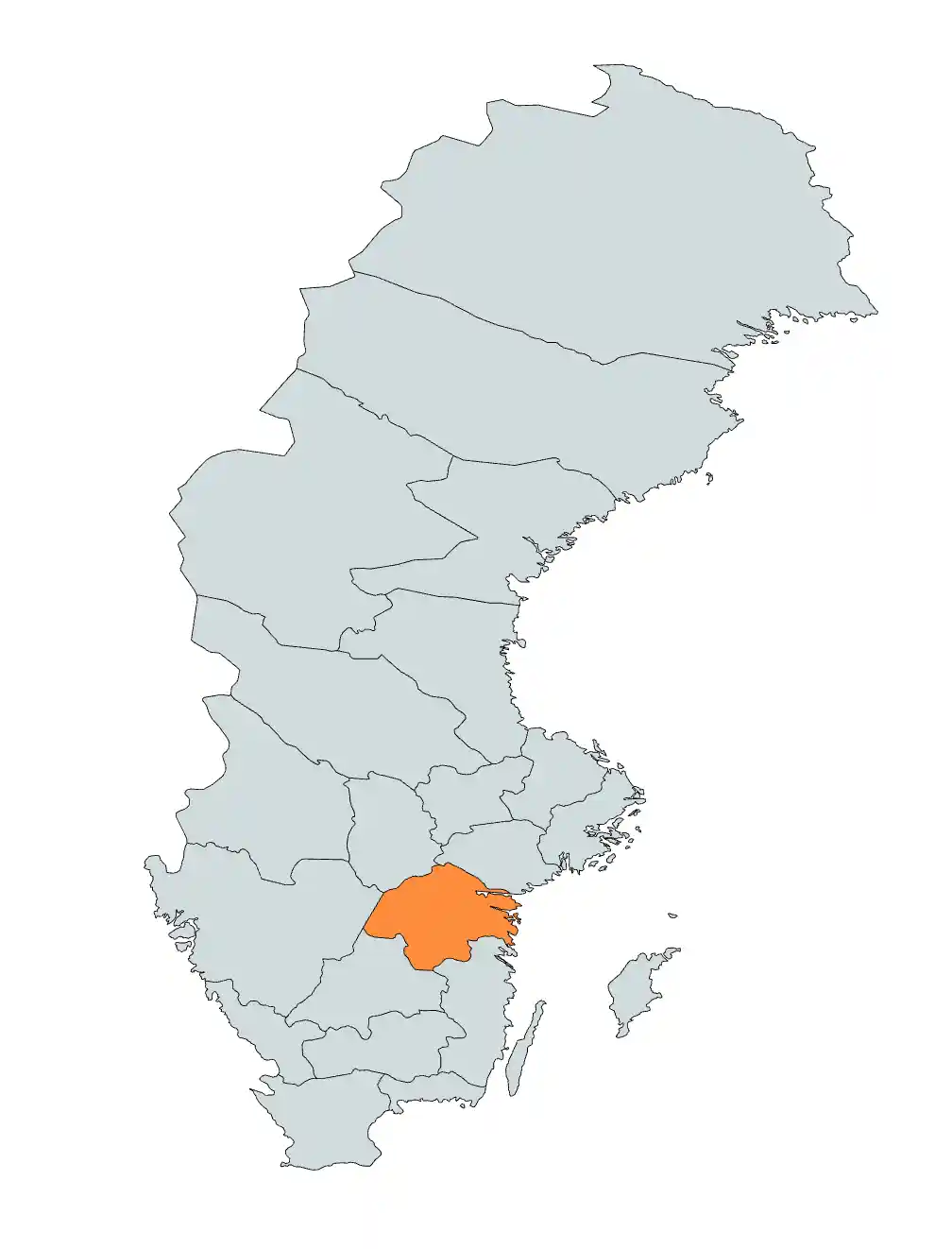
Östergötland is a land of water and history that is best explored by following the scenic route of the Göta Canal. The famous blue ribbon of the canal carves a path through fertile green plains and golden grain fields where you can watch boats climb the giant ladder of locks at Berg. The coast is a maze of thousands of rocky islands and hidden sandy strips that make up the Saint Anna archipelago. It is a region of calm waters and long summer days where the history of the Swedish heartland is written in the soil.
The roads through Östergötland lead past ancient ruins and medieval abbeys like Alvastra which stand at the foot of the Omberg mountain. You can explore the steep cliffs of the lake shore or find a hidden cove for a swim in the Baltic sea. The light over the fields is soft and golden creating a landscape that feels both productive and peaceful. Massive manor houses overlook the quiet lakes like Roxen and Glan providing a glimpse into the aristocratic past of the region.
Local life in Östergötland is tied to the water with a focus on fresh produce and traditional canal life. You can visit the old chocolate factory in Ljungsbro or find a quiet farm shop selling local honey and flour. The province is a mix of grand history and simple pleasures from the majestic cathedral in Linköping to the quiet fishing huts of the rocky coast. It is a land of movement where the boats pass slowly through the fields and the birds follow the winding shoreline.
Östergötland highlights
- Berg Locks (Bergs Slussar) Watch the spectacle of boats being lifted through a giant staircase of seven locks on the famous Göta Canal. It is a perfect spot to picnic on the grass while seeing the technical magic of the waterway.
- Omberg Mountain Cruise the scenic forest road along the edge of this steep ridge that drops straight into the deep blue water. The mountain is home to giant oak trees and ancient hill forts that offer the best sunset views.
- Alvastra Abbey Ruin Walk among the elegant stone arches of a 12th century monastery sitting at the foot of a sacred mountain. The ruins are peaceful and offer a look at the early religious history of the Swedish heartland.
- The Saint Anna Archipelago Follow the coastal roads to a maze of thousands of rocky islands and narrow channels perfect for kayaking. This quiet stretch of the Baltic is less crowded and offers a true sense of island solitude.
- Linköping Old Town Explore a massive outdoor museum where dozens of historic buildings have been moved to create a living city. You can visit old fashioned shops and see craftsmen at work in the timber houses.
- Vadstena Castle Visit a massive moat protected fortress built by a king to guard against southern invaders on the lake shore. The town is also home to a famous abbey and narrow streets filled with lace shops and cafes.
- The Göta Canal Road Drive the narrow roads that run parallel to the canal where you can race the slow moving boats through the fields. The route passes through charming lock stations and white bridges that open for the summer traffic.
- Söderköping Canal Walk Wander the streets of this historic town where the canal meets the river and the medieval houses line the water. It is famous for its massive ice cream restaurant and the climb up the hill for a town view.
- Rejmyre Glassworks Visit one of the oldest glass factories in Sweden to watch the masters blow glass in a traditional forest setting. The area also features a historic guest house and shops selling unique local crafts.
- The Oak Landscape (Eklandskapet) Drive through the largest collection of giant oak trees in northern Europe located just south of the city. The landscape is park like and filled with rare insects and flowers that thrive under the massive branches.
The local Four
History of Östergötland
Östergötland is the ancient cradle of the Swedish nation. A fertile land of plains where the first powerful dynasties rose to unify the country. The soil here was so rich that it supported grand stone abbeys like Alvastra and massive cathedrals long before other regions were even settled. This was the home of the royal families who built the foundations of the Swedish state. The landscape is a map of medieval power, filled with ruins that tell stories of monks, knights and the birth of a Christian kingdom.
In the 1800s, the province saw a new kind of miracle with the construction of the Göta Canal. This Blue Ribbon was a massive engineering project that used thousands of soldiers to carve a path through the fields and hills. It connected the two seas and bypassed expensive foreign tolls, changing the economy of Sweden forever. Small farm villages suddenly became bustling ports and the slow movement of boats through the golden grain fields became a permanent part of the local scenery.
A road trip through Östergötland today allows you to follow the water from the deep Lake Vättern to the rocky Baltic coast. You can watch the boats climb the locks at Berg or explore the silent arches of the old monasteries. The roads wind through oak forests and past massive manor houses that have stood for centuries. It is a province where the deep history of the medieval past meets the calm, steady pace of canal life, providing a truly relaxing journey through time.