

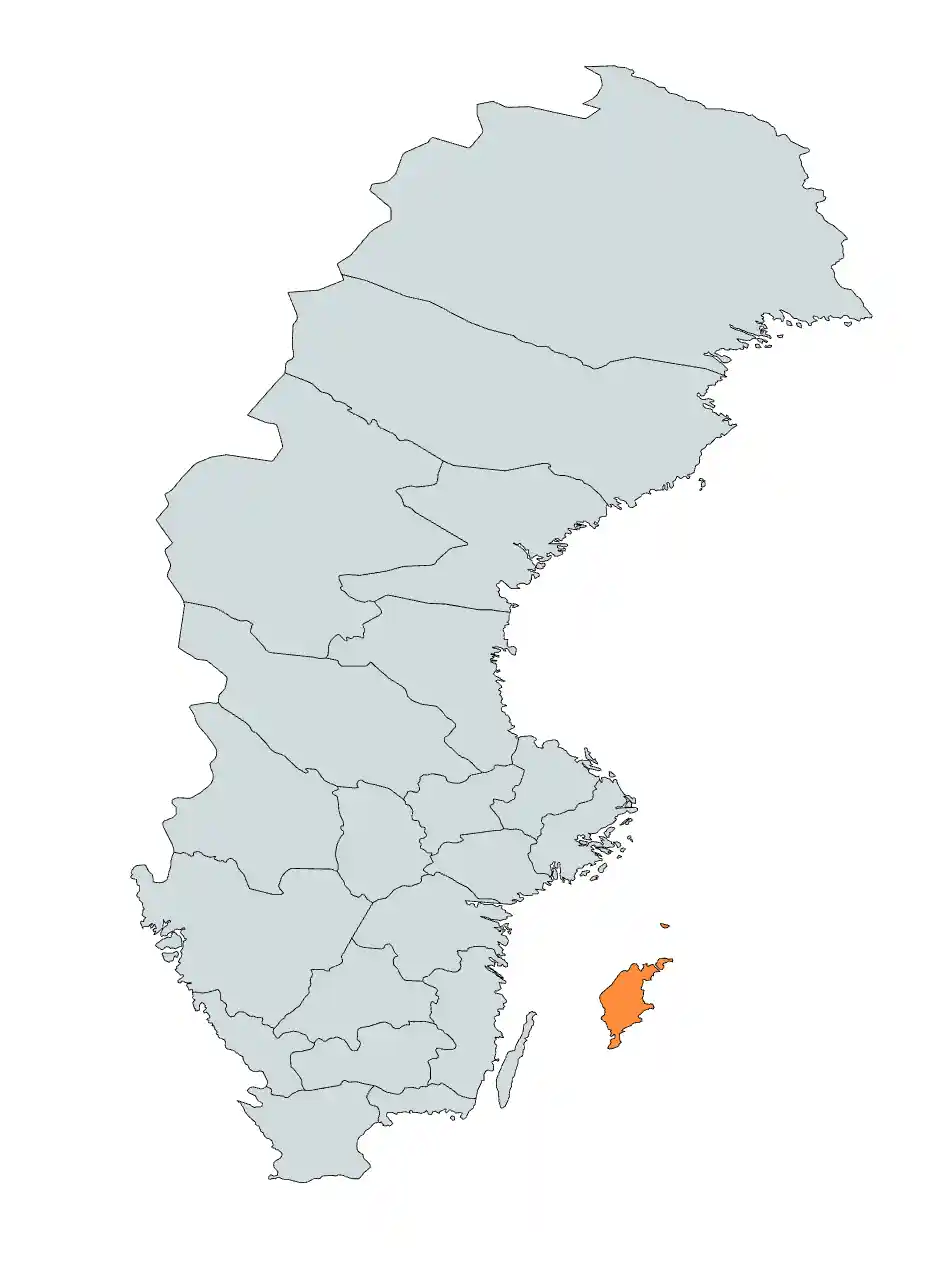
Gotland is a limestone jewel floating in the Baltic Sea where ancient history and coastal magic collide. Huge stone pillars rise from the surf like frozen giants guarding the white sand beaches. The roads here lead your trip through fields of wild blue flowers and past gray stone churches that have stood for a thousand years. You can wander the narrow cobblestone lanes of Visby to see the massive medieval wall that still circles the city today. It feels like stepping into a living fairy tale where every ruined cathedral tells a story of Viking gold and merchant power.
The island scenery shifts from lush green meadows to the stark beauty of the rocky north. Head across the water to Fårö to find the quiet landscapes that inspired world famous filmmakers. The coast is filled with hidden fishing hamlets where you can taste fresh smoked fish or hunt for fossils in the limestone cliffs. This is a place for explorers who want to find secret caves and watch the waves crash against the tall sea stacks. Local shops offer soft lambskin rugs and handmade pottery that capture the raw spirit of the island.
Summer nights stay bright long after the sun dips below the horizon. The island pulse beats in the farm cafes where you can find saffron pancakes topped with local berries. Every turn in the road reveals a new vista of the deep blue sea or a herd of wild sheep grazing on the open plains. Life on Gotland is about the bond between the salt spray and the ancient stone. Cross the water to find an island where the medieval world still lives among the dunes and the limestone giants.
Gotland highlights
- Visby Medieval Wall Walk the perimeter of this massive limestone fortification that has circled the city since the 13th century. The towers and gates offer a breathtaking look at one of the best preserved merchant towns from the Viking age.
- Langhammar Sea Stacks Drive to the remote northern tip of Fårö to stand among giant stone pillars that tower over the pebble beaches. These natural limestone sculptures create a haunting landscape that looks like another planet against the blue sea.
- Lummelunda Cave Explore the deep underground world of one of the longest cave systems in the country located just north of the capital. Guided tours take you through massive halls filled with fossils and strange rock formations carved by water over millions of years.
- Grogarnsberget Plateau Follow the winding gravel roads to this high limestone ridge for a panoramic view of the rugged eastern coastline. It is a perfect spot for a cliffside picnic away from the crowds where the wild wind meets the open sea.
- Blue Lagoon (Blå Lagunen) Swim in the turquoise waters of an old limestone quarry that has become the most famous swimming hole on the island. The white stone banks and clear water give this hidden gem a tropical feel right in the middle of the Baltic.
- Ljugarn Fishing Village Visit the oldest seaside resort on the island to see traditional wooden boathouses tucked behind sandy dunes. The area features cozy restaurants and a nearby forest of sea stacks that glow orange during the summer sunset.
- Stora Karlsö Island Take a short boat trip from the west coast to see thousands of nesting seabirds on the sheer cliffs of this nature reserve. The island is famous for its rare orchids and prehistoric caves that were used by hunters thousands of years ago.
- Hoburgen and the Old Man Navigate to the very southern tip of the province to find a massive limestone cliff shaped like a human face. The surrounding plains are home to unique flora and a lighthouse that offers views all the way to the horizon.
- Bungenäs Limestone Barns Walk through a former industrial zone and military base that has been transformed into a minimalist art and dining hub. You must park your car and take a provided bike to explore the weathered stone buildings and hidden forest cafes.
- Roma Abbey Ruins Discover the elegant arches of a 12th century Cistercian monastery set in the quiet green heart of the island. In the summer the open air theater inside the ruins brings historic dramas to life under the stars.
The local Four
History of Gotland
Gotland was born from the sea as a massive limestone reef and grew into the richest trading hub of the Viking world. For centuries this island sat at the center of the Baltic trade routes where merchants from east and west met to swap silver for silk and fur. The wealth was so immense that local farmers built grand stone churches instead of wooden barns and filled their chests with coins from far away lands. You can still see this golden age in the massive walls of Visby which was a fortress city built to protect the riches of the Hanseatic League from pirates and jealous kings.
The island history took a dark turn in 1361 when a Danish king landed on the shores to claim the island treasure. A bloody battle took place right outside the city gates where the local farmers fought a hopeless fight against professional soldiers. These stone skeletons are not just ruins but monuments to a time when Gotland was a powerful maritime nation that answered to no one.
As the trade routes shifted the island became a quiet backwater of sheep farmers and fishermen who lived among the ghosts of the past. This isolation preserved the ancient language and the limestone architecture that makes the province so unique today. When you explore the island you are walking through layers of time from the Viking burial mounds to the modern art galleries in old barns. It is a place where the legends of buried treasure feel real and the spirit of the old sea kings still lingers in the salt spray.