

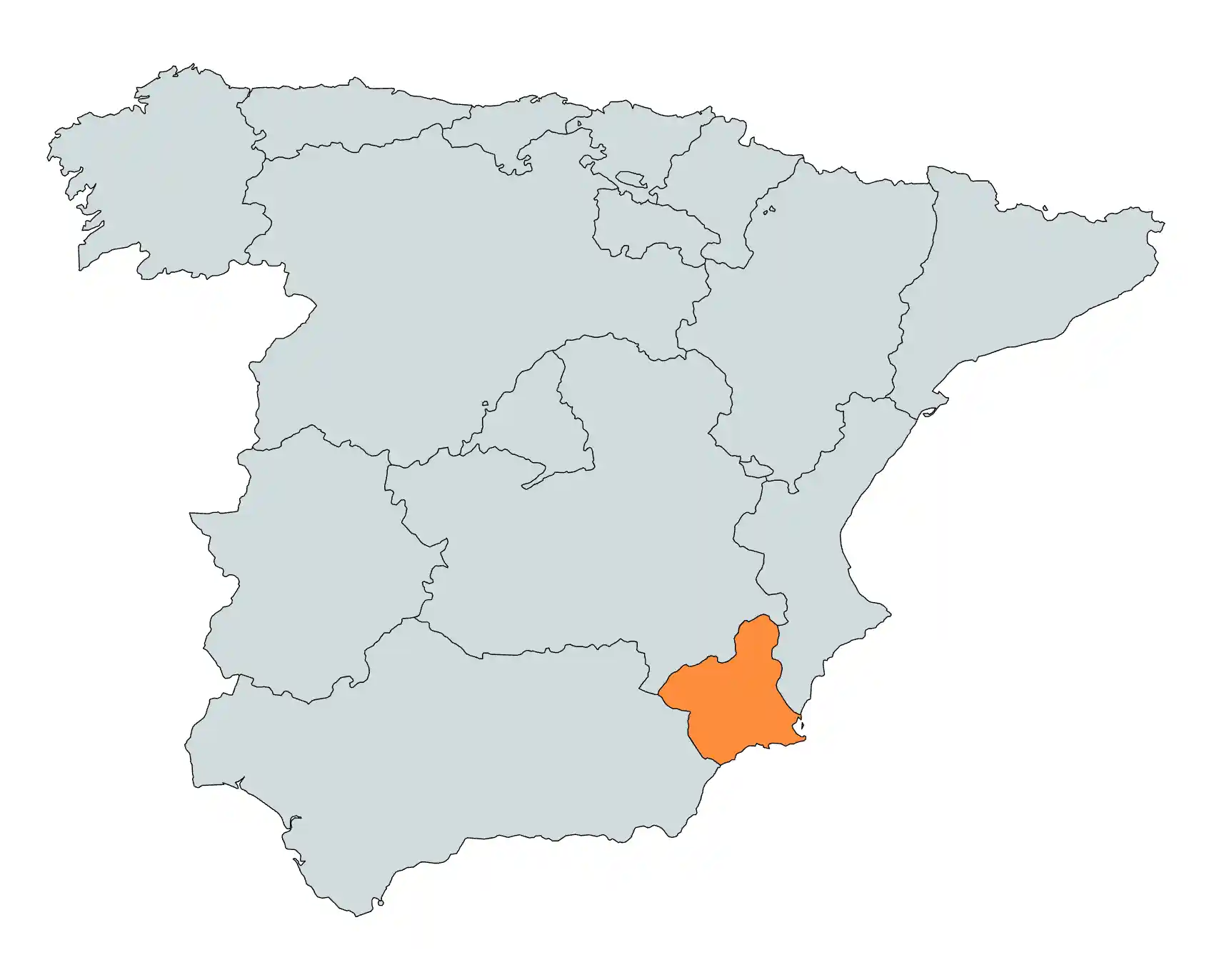
Murcia is Spain’s Costa Cálida or Warm Coast. This region is a top destination for sun seekers and road trip travelers. It has the spectacular Mar Menor, Europe’s largest saltwater lagoon. Your drive in this region is a delightful blend of warm Mediterranean climate and rich historical discovery.
The city of Cartagena was a crucial naval base for the Roman Empire. You can explore its beautiful Roman theater and fortifications. The capital, Murcia city, surprises you with stunning Baroque architecture and vibrant university life. The roads are perfect for connecting the mountainous terrain to the beautiful coastline.
It is famous for its fresh seafood and high quality produce grown in the regional farmlands. You quickly discover the region's immense beauty and historical roots. You will find beautiful beaches and remarkable Roman engineering. Feel the powerful warmth of the Mediterranean sun.
Murcia highlights
- Cartagena’s Roman Theatre One of Spain’s most impressive Roman ruins, Cartagena’s 2,000-year-old theatre rises between modern buildings. Its museum brilliantly connects the site to the city’s layered history. From Carthaginians to the present.
- Murcia Cathedral This flamboyant Gothic-Baroque cathedral dominates the heart of Murcia with its intricate façade and soaring, 90-meter bell tower. Inside, richly decorated chapels and centuries of art reflect the city’s religious and cultural evolution.
- Calblanque Calblanque is a wild Mediterranean paradise of golden dunes, quiet beaches and cliffs untouched by mass tourism. It’s perfect for hikers and swimmers seeking fresh nature close to the Mar Menor.
- Mar Menor lagoon Famous for its warm calm waters. It is Europe's largest saltwater lagoon and provides warm shallow swimming waters. Its protected natural areas also attract birdlife and nature lovers. It provides a peaceful environment rarely found along Spain’s busier Mediterranean coast.
- La Manga See this famous, narrow strip of land. It separates the warm Mar Menor lagoon from the open Mediterranean Sea.
- Ricote Valley A hidden oasis in the desert landscapes of inland Murcia. The Ricote Valley is filled with palm groves, citrus orchards and charming Moorish-influenced villages. It’s a dream for travelers seeking authenticity and rural beauty.
- Caravaca de la Cruz One of the world’s five official Holy Cities. Caravaca de la Cruz attracts pilgrims to its hilltop basilica and sacred relic. The surrounding old town blends quiet squares, monasteries and centuries-old traditions.
- Cabo de Palos This rocky cape is home to one of Spain’s most picturesque lighthouses, standing guard over crystal-clear diving sites and dramatic reefs. The nearby fishing village is perfect for fresh seafood with ocean views.
The local Four
History of Murcia
The Romans conquered the region and established the city of Carthago Nova, known today as Cartagena. It served as a major naval base and source of valuable minerals for the Roman Empire. The city’s amphitheater and fortifications are a lasting testament to this powerful history.
During the Moorish rule, the region experienced a golden age of science and water management. They built intricate irrigation systems to transform the dry land for cultivation. This gave rise to the regional capital, Murcia city. After the Christian Reconquista in the 13th century, the region became a strategic kingdom border area.
You can explore the prominent Baroque style of Murcia city's cathedral. You will see Roman naval bases and intricate Moorish irrigation canals. The region of Murcia shows you the powerful history of Mediterranean trade and Roman sea power.