

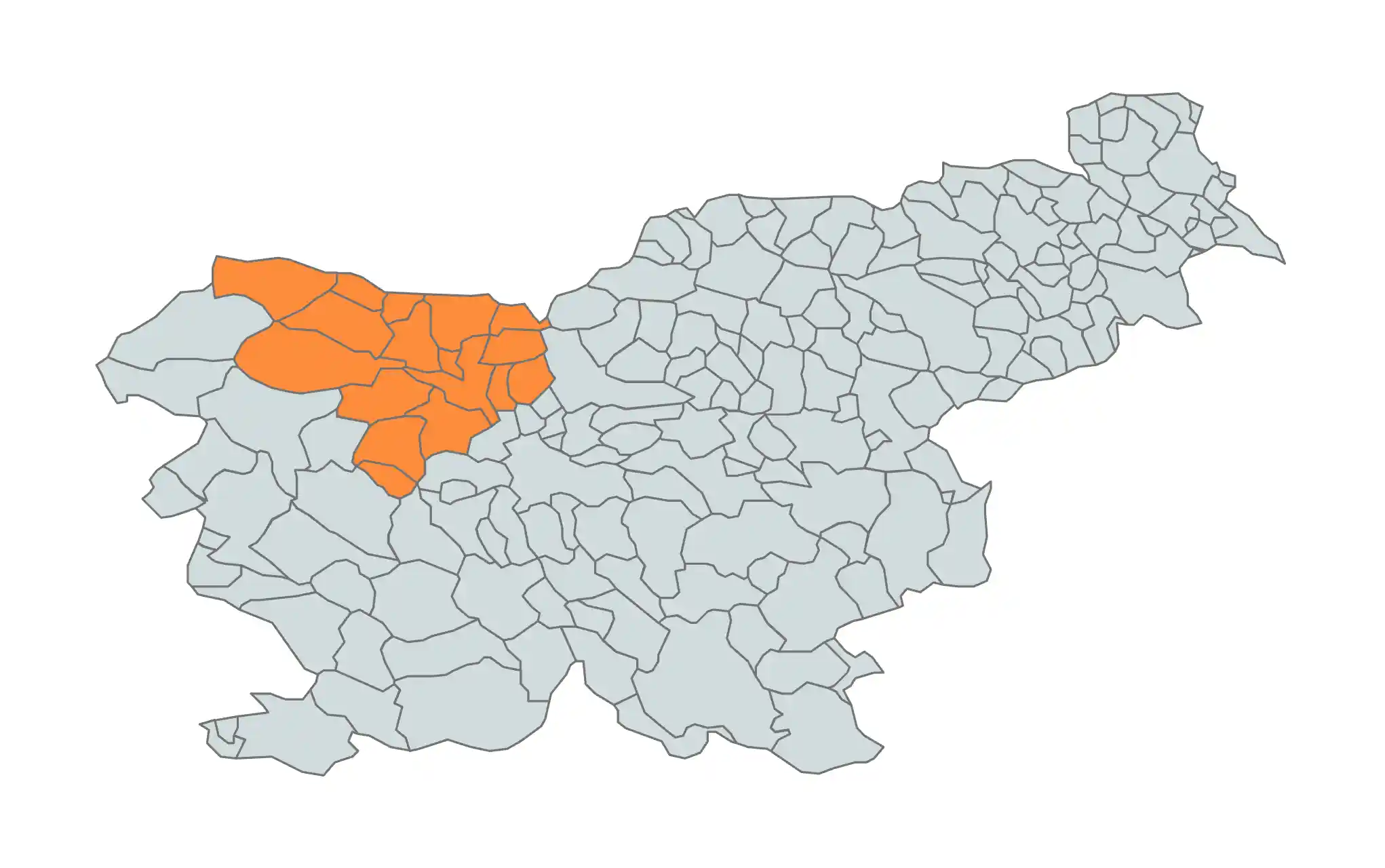
Upper Carniola is the crown jewel of any mountain road trip where you conquer the fifty hairpin turns of the Vršič Pass. The route takes you from the emerald Zelenci Springs to the highest peaks of the Julian Alps, passing the wooden Russian Chapel built by prisoners. You will drive along the shores of Lake Bled to find the iconic island church and the wilder waters of Lake Bohinj.
The road climbs through forests of larch and pine to reach views that take your breath away at every bend. You can find the Peričnik Waterfall, which you can actually walk behind, or explore the narrow Vintgar Gorge on wooden walkways. The region is packed with iconic sights and the most famous mountain roads in the country, offering a world class photo opportunity at every stop.
Every village offers a cozy inn serving buckwheat dumplings or kremna rezina, the famous Bled cream cake. You should also try žganci with cracklings, a traditional dish that has fueled alpine explorers for centuries. Upper Carniola is the definitive alpine experience and a highlight for anyone who finds beauty in snow capped peaks and glacial lakes.
Upper Carniola highlights
- Vršič Mountain Pass Hairpins Conquer the 50 numbered hairpin turns of the highest road pass in the country for breathtaking alpine vistas. The road takes you past the Russian Chapel and high into the rocky heart of the Julian Alps.
- Lake Bled Island The most iconic sight in Slovenia, featuring a glacial lake with an island church and a cliffside fortress. Park in the town and take a traditional pletna boat or walk the scenic six-kilometer perimeter path.
- Lake Bohinj and Savica This wilder and more serene lake is surrounded by towering peaks and deep emerald forests. A drive to the end of the valley leads to the trailhead for the 78-meter Savica Waterfall.
- Vintgar Gorge Wooden Walkways Explore this 1.6-kilometer canyon on wooden galleries that hang directly over the rushing Radovna River. The trail ends at the 13-meter-high Šum waterfall, a perfect finale to the nature walk.
- Zelenci Nature Springs Drive to the source of the Sava river to see emerald green pools that bubble up from the karst ground and never freeze. The wooden boardwalks and observation tower offer a great view of the high peaks.
- Peričnik Waterfall in Vrata This is one of the few waterfalls in the world where you can actually walk behind the falling water curtain. The road to the trailhead takes you deep into the Vrata Valley toward the massive north face of Mount Triglav.
- Radovljica Gingerbread Workshop Park in this charming medieval town and visit the traditional basement workshop where honey cakes are hand-decorated. The town square is one of the best-preserved in the country and offers great alpine views.
- Planica Nordic Center Visit the cradle of ski jumping and see the massive flying hills where world records are regularly broken. You can take a zipline from the top of the largest hill for a shot of pure adrenaline.
- Lake Jasna at Kranjska Gora These two interconnected crystal-clear lakes are a perfect spot for a photo with the bronze ibex statue. The road here marks the beginning of the climb toward the high mountain passes of the west.
- Bled Cream Cake (Kremna Rezina) No road trip here is complete without stopping for this delicate custard and cream cake at a lakeside café. It has been the official dessert of the town for over 70 years and is light and airy.
The local Four
History of Upper Carniola
The story of the Julian Alps is one of glacial power and the legendary peaks that have defined the national identity in Upper Carniola for over a thousand years. Slavic tribes settled in these high valleys in the early Middle Ages finding refuge in the shadows of Mount Triglav which they believed was the home of a triple headed god. The glacial lakes of Bled and Bohinj became sacred spaces long before they were ever tourist destinations.
During the First World War these mountains became the highest battlefield in human history with soldiers carving roads and tunnels through the solid rock of the Vršič Pass. The Russian Chapel remains a silent witness to the prisoners of war who died building the fifty hairpin turns that are now a favorite for travelers. After the war the region became a sanctuary for the European elite who came to the lakes for the healing mountain air and the crystal clear water.
The modern era has turned the region into a global center for winter sports and alpine exploration with the ski jumps of Planica becoming a site of world records. The ancient mountain lodges and shepherd huts still dot the high plateaus offering a glimpse into a time when life was governed by the seasons and the snow. It is a landscape that inspires awe through its sheer scale and the legends of the white ibex that guards the peaks.