

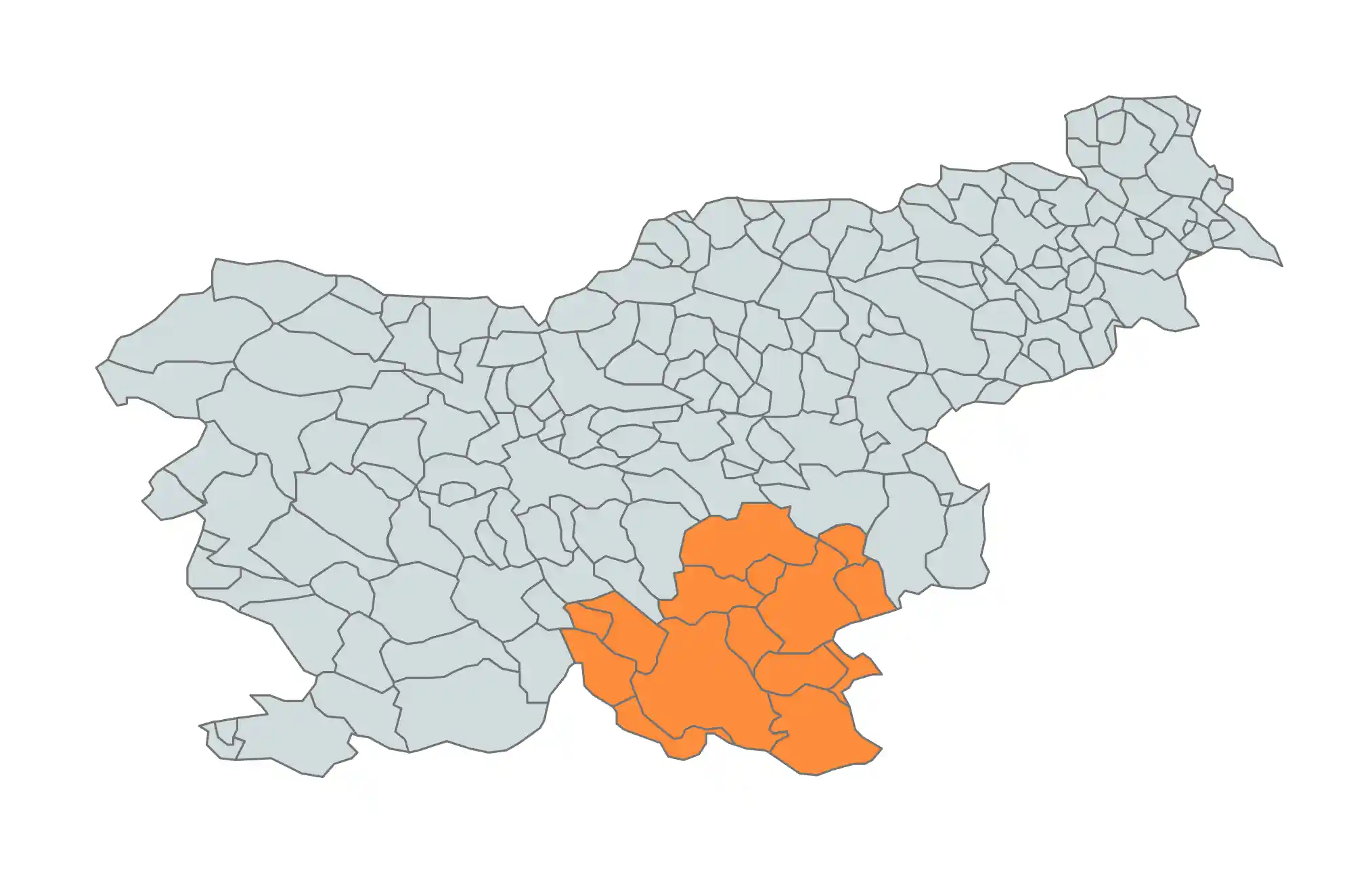
Follow the green curves of the Krka River through a landscape of Southeast Slovenia and its island towns. You can drive to Kostanjevica na Krki, a unique town built entirely on an island, or visit the Pleterje Charterhouse monastery. The roads wind past vineyard cottages and through the ancient oak forests of Krakovo, offering a peaceful retreat untouched by the busy world.
The region is the heart of the Cviček wine culture, and you can stay overnight in a "zidanica" cottage to experience the local lifestyle firsthand. You will find plenty of wooden bridges and old mills that still stand along the river, looking like scenes from a history book. The roads are easy and the scenery is a soothing mix of green water and forest that calms the mind.
Stop at a local inn for roasted duck with mlinci pasta or a bowl of mushroom soup picked from the nearby woods. You can also find pear brandy from Pleterje, famous for the whole pear grown inside the bottle. It is a gentle and romantic part of the country that rewards travelers who appreciate quiet traditions and beautiful, slow paced landscapes.
Southeast Slovenia highlights
- Otočec Water Castle Visit the only castle in the country built on an island in the middle of a flowing river. The surrounding park and the wooden bridges make it one of the most romantic spots for a road trip stop.
- Kolpa River Warm Beaches Drive to the southern border to swim in the warmest river in the country, which forms a natural boundary with Croatia. The river is gentle and surrounded by lush green forests and small summer campsites.
- Novo Mesto River Loop Park in the "city on the Krka" to see how the river wraps tightly around the historic old core. The view of the colorful town houses from the Kandija bridge is a classic image of the south.
- Bela Krajina Birch Landscapes Explore the white landscape of birch trees and green ferns that define this southeastern corner of the country. The roads lead through traditional villages known for their unique white folk costumes and crafts.
- Žužemberk Castle Ruins This massive fortress sits on a rocky cliff right above the roaring waterfalls of the Krka River. It is a dramatic sight from the road and a great place to explore the medieval history of the valley.
- Pleterje Silent Monastery Visit this Carthusian monastery surrounded by high walls and famous for its pear brandy and herbal remedies. The open-air museum nearby offers a look at traditional wooden farmhouses from the past.
- Metlika Border Castle Stop in this historic town to sample the best wines of the Bela Krajina region at the local castle. The town is also home to a museum of local history and the oldest firefighting tradition in the country.
- Kostanjevica Oak Sculptures This massive former monastery now serves as an art gallery surrounded by a park of large oak sculptures. The sculptures are part of an international symposium and are scattered across the green lawns.
- Lahinja Nature Park Springs Follow the road to this protected wetland where the river forms loops and creates a haven for rare plants. It is a quiet and green escape with easy walking trails through the prehistoric marshes.
- Roasted Duck with Mlinci Stop at a local "gostišče" for a plate of roasted duck served with traditional thin dried flatbread known as mlinci. It is the classic festive meal of the region and is best enjoyed with a glass of local red wine.
The local Four
History of Southeast Slovenia
The green Krka River has been the lifeblood of this gentle landscape since prehistoric times when iron age tribes built massive hillforts overlooking the water. The Romans used the river for transport while the medieval era brought the arrival of silent monastic orders who built grand cloisters like the one in Pleterje. These monks were the pioneers of local agriculture teaching the people how to grow fruit and produce the pear brandy that is still famous today.
The region is defined by its rounded hills and the unique zidanice cottages that were built as small havens for wine production and hospitality. The local town of Kostanjevica na Krki grew as a rare island settlement where the river acted as a natural defense and a source of trade. For centuries life here moved at the pace of the water with mills and wooden bridges connecting the scattered farmsteads.
During the industrial era the region became a center for pharmaceutical and automotive production while keeping its rural soul intact. The ancient oak forests like the one at Krakovo were preserved as hunting grounds and natural sanctuaries. Today it is a land where the sound of the river and the tradition of the vineyard cottage provide a sense of timeless peace and simple beauty.