

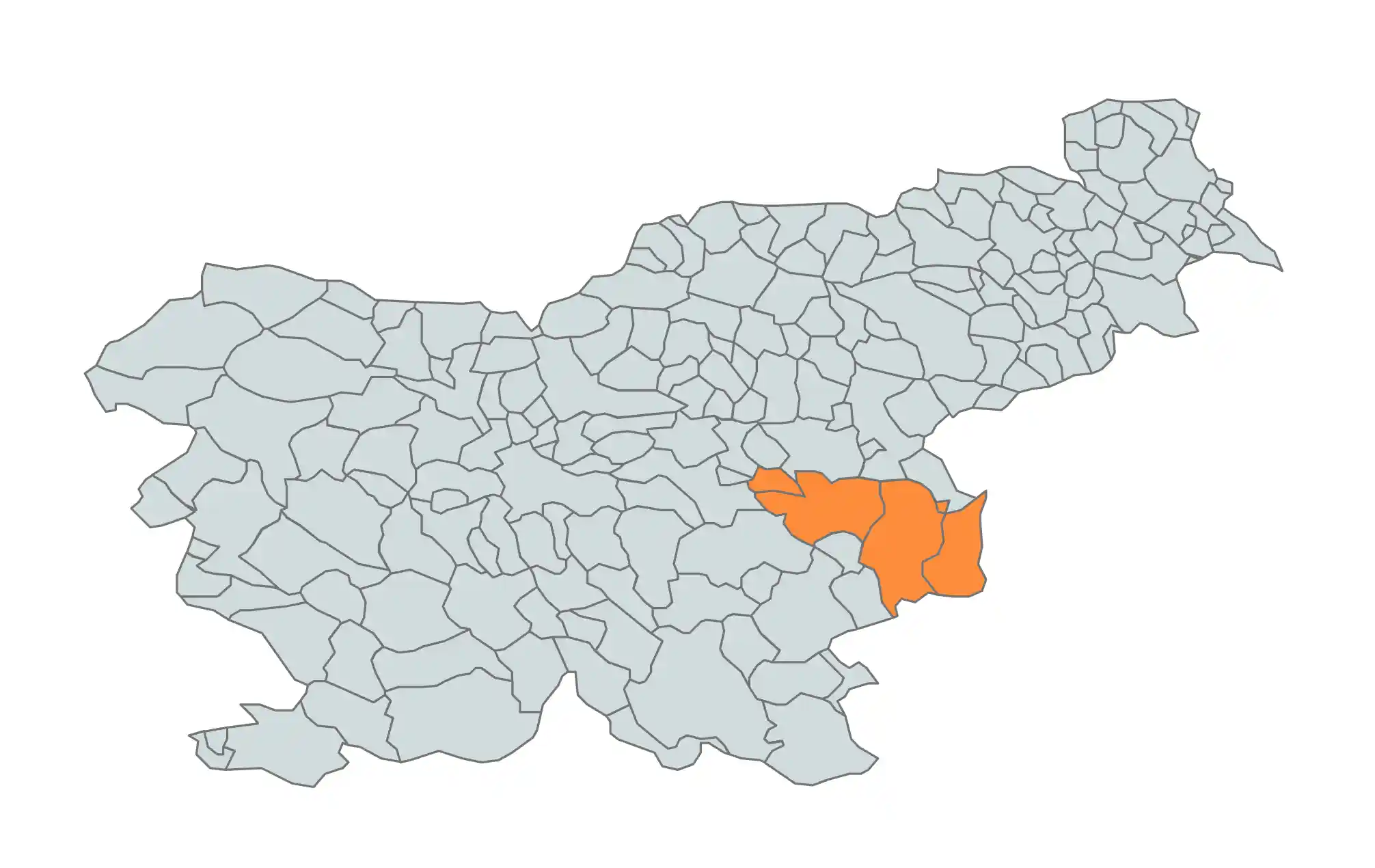
Lower Sava is a region of castles and thermal waters where two major rivers meet in a wide sunny basin. You can drive to Brežice Castle to see the Knight’s Hall, covered in some of the most intricate baroque frescoes in Europe. The area is also famous for its repnice, which are caves dug into quartz sand used for storing wine and produce at a constant temperature.
The hills are covered in vineyards and fruit orchards that bloom white and pink in the early spring months. The drive is gentle and takes you through quiet riverside villages where life moves at a comfortable pace. You find plenty of spots to park by the water and watch the local life go by on the green Krka and the wide Sava rivers.
This is the home of Cviček, a unique light red wine that is a symbol of the local hospitality. You can pair it with local dried meats and cheese at a vineyard cottage or zidanica. The blend of wellness, history and wine makes Lower Sava a perfect stop for those who want to recharge in a fertile and welcoming landscape.
Lower Sava highlights
- Brežice Castle Knight's Hall Drive to this grand fortress to see the most impressive baroque frescoes in the country covering the walls and ceiling. The hall is a masterpiece of light and mythology that takes your breath away.
- Bizeljsko Repnice Caves These unique caves dug into quartz sand are used to store wine at a perfect constant temperature all year long. The drive through the Bizeljsko hills to reach them is filled with stunning vineyard views and small farms.
- Kostanjevica na Krki Island Town Visit the only town in the country built entirely on an island in the middle of a flowing river. The wooden bridges and riverside paths make it a fairytale stop on any road trip through the south.
- Čatež Thermal Resort This is the largest thermal water park in the region, offering a perfect place for families to cool off after a day of driving. The park is easily accessible from the main highway and has both indoor and outdoor pools.
- Sevnica Castle and Wine Park at this hilltop castle to enjoy a view over the wide Sava valley and the surrounding orchards. The castle is also known for its blue-blooded wine and high-quality local crafts from the valley.
- Rajhenburg Castle at Brestanica Perched on a cliff above the river, this castle has served as a monastery and a fortress over the centuries. The drive to the gates offers dramatic views of the river canyon and the historic town below.
- Krško Wine Cellars Explore the home of the unique Cviček wine, which is a protected blend of red and white grapes. Many of the local cellars are historic and offer a great look at the region’s long-standing wine culture.
- Bohor Mountain Waterfalls Follow the mountain roads to reach a trail that leads to four beautiful waterfalls hidden deep in the beech woods. It is a lush and green escape from the sunnier lowlands of the river valley.
- Sava and Krka Confluence See the point where the two major rivers of the region meet in a wide and fertile alluvial plain. The surrounding parkland is a great spot for a quiet walk or a riverside picnic under the trees.
- Buckwheat Ajdov Kolač Try this traditional buckwheat cake at a local tourist farm, often filled with cottage cheese and raisins. It is a hearty and rustic dessert that reflects the agricultural roots of the lower valley.
The local Four
History of Lower Sava
Lower Sava has always been a strategic crossroads where major rivers meet at the edge of the mountains. The Romans were the first to recognize the potential of the fertile plains and the thermal springs that bubbled up near the riverbanks. They built villas and trading posts that were later replaced by a line of medieval castles designed to defend the border against eastern invasions.
During the Baroque era the local nobility transformed the rugged fortresses into elegant residences filled with art and light. The castle in Brežice became famous for its painted hall which depicts scenes from mythology across every inch of its interior. At the same time the hillsides were cleared to plant vineyards that produced a unique light wine which became the staple drink of the local peasant and prince alike.
The development of the southern railway and the discovery of massive thermal water reserves in the twentieth century turned the region into a destination for health and relaxation. Large parks and wellness centers grew around the springs while the riverside towns maintained their role as centers of trade and agriculture. The region is a tapestry of castle history and vineyard culture that feels warm and welcoming.