

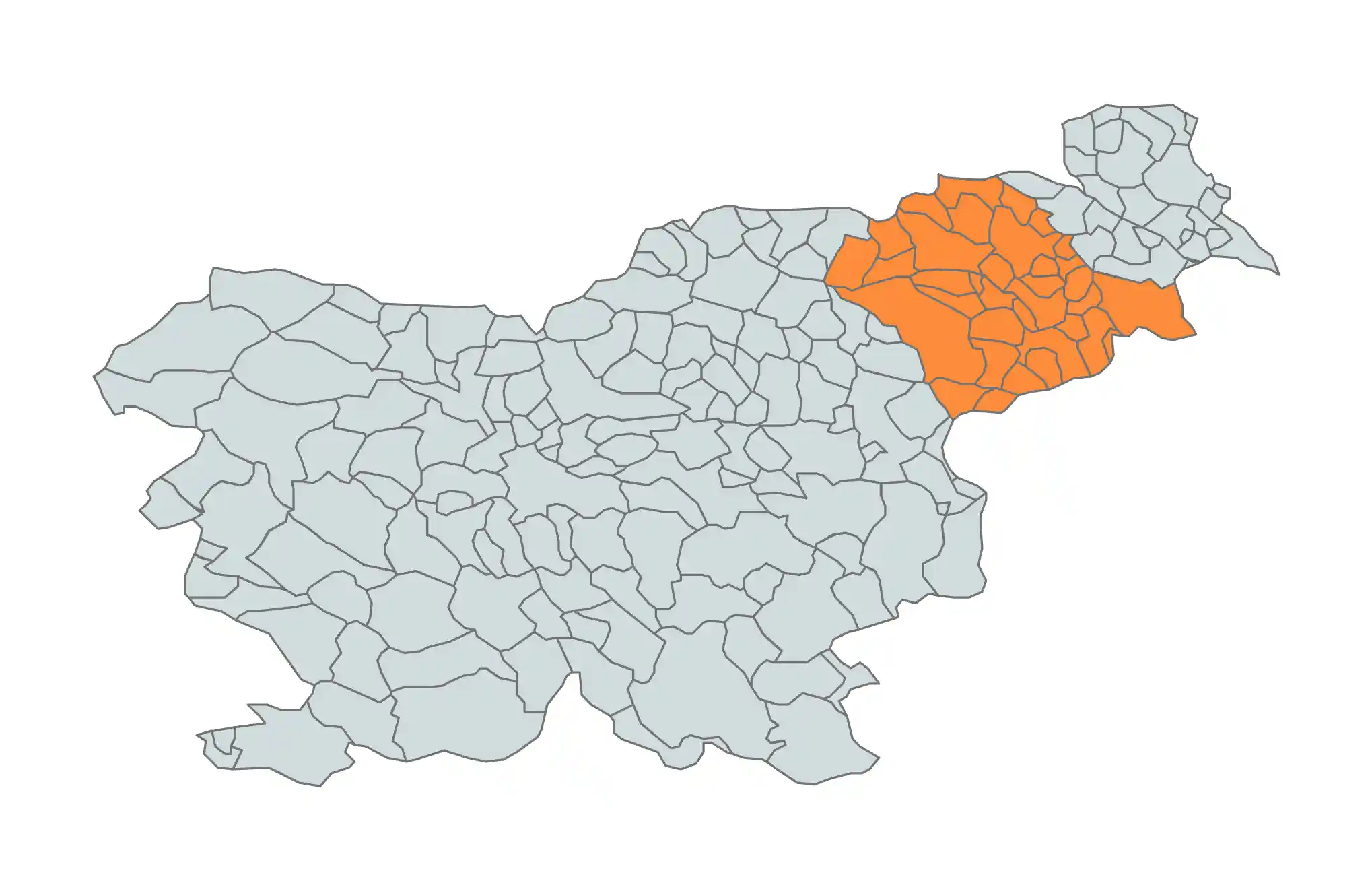
Cruising through the Drava region follows the path of a river that has shaped the trade routes of Europe for ages. Park your car in Maribor to visit the oldest vine in the world before driving into the rolling hills of Slovenske Gorice. The roads here are quiet and wind through a sea of vineyards toward Ptuj, the oldest town in the country, where Roman monuments are still tucked away in historic basements.
The landscape is a mix of steep, sunlit slopes and flat river paths that are perfect for a relaxed driving pace with plenty of scenic overlooks. You will see traditional wind rattles called klopotec spinning in the fields to keep birds away from the ripening grapes. The terrain is gentle but the views are vast, especially from the hilltop churches that look out over the river valley toward the distant mountains.
When you pull over, look for the thick green pumpkin seed oil, a local specialty often drizzled over fresh salads or even desserts. You can also find kvasenica, a traditional flatbread topped with sour cream and cottage cheese. Drava provides a rich mix of Roman history and rural hospitality that makes every stop along the river feel like a celebration.
Drava highlights
- Old Vine House Maribor Drive to the riverfront to see the oldest productive grapevine in the world, which has survived over 450 years of history and wars. The museum inside tells the story of the region’s wine culture and offers tastings of local Styrian vintages.
- Jeruzalem Wine Road This is arguably the most beautiful driving route in the region with sharp turns through perfectly terraced vineyards. The views from the hilltop church are legendary and the area produces some of the finest crisp white wines in Europe.
- Ptuj Castle Hill Park below the oldest town in the country and walk up for a view over the red-tiled roofs and the wide Drava River. The castle houses impressive collections of traditional carnival masks known as Kurenti used in ancient spring rituals.
- Pohorje Primeval Forest Escape the lowlands for the cool air of the Pohorje mountains where the roads lead to ancient peat bogs and hidden lakes. You can find the Black Lake and Sumik waterfalls hidden among the dense spruce and pine trees.
- Ormož Lagoons Nature Reserve These protected wetlands are a haven for birdwatchers and nature lovers looking for a peaceful stop on a road trip. The flat roads surrounding the lagoons offer easy driving and great views of the local wildlife and migrating birds.
- Fram Waterfall Located on the slopes of Pohorje, this hidden cascade is reached via a short walk from a scenic mountain forest road. It is a quiet spot where the water drops through a lush green canyon far from the tourist crowds.
- Strmol Castle Estate Visit this grand estate that sits at the foot of the hills with beautifully manicured gardens and a historic manor. The drive to the castle takes you through traditional villages where agricultural traditions are still very much alive.
- Lovrenc Lakes Peat Bog These high-altitude bog lakes are accessible via a scenic drive and a hike over wooden footbridges through the pines. The dark water and surrounding dwarf vegetation create a moody and unique mountain atmosphere found nowhere else.
- Vurberk Castle Ruins This hilltop ruin serves as an open-air stage and offers one of the best perspectives of the Drava Valley below. The winding road to the top is short but provides a great overlook of the surrounding sunflower fields and vineyards.
- Pumpkin Seed Oil Mills Pull over at a local farmstead to buy a bottle of "black gold," the region's famous thick and nutty pumpkin seed oil. Locals use it on everything from hearty beef salads to vanilla ice cream for a unique flavor.
The local Four
History of Drava
Life in the Drava region has always revolved around the steady flow of the river and the fertile soil of the surrounding hills. Roman legionnaires were the first to plant extensive vineyards here after they founded the settlement of Ptuj as a key military outpost. They left behind mysterious shrines dedicated to the god Mithras which you can still find hidden in the basements of historic houses today.
In the medieval era the river became a highway for timber rafters who transported massive logs from the mountains down toward the Black Sea. This was a dangerous but lucrative trade that fueled the growth of wealthy trading towns along the banks. Meanwhile a single grapevine was planted in Maribor over four hundred years ago surviving fires and wars to become the oldest living productive vine on the planet.
The region saw intense industrial growth during the era of the Austro Hungarian Empire with railways cutting through the wine hills to connect Vienna with the sea. This period brought a unique blend of German and Slavic culture that is still reflected in the local dialect and the grand architecture of the estates. It remains a land where the history of the river and the legacy of the vineyard are inseparable.