

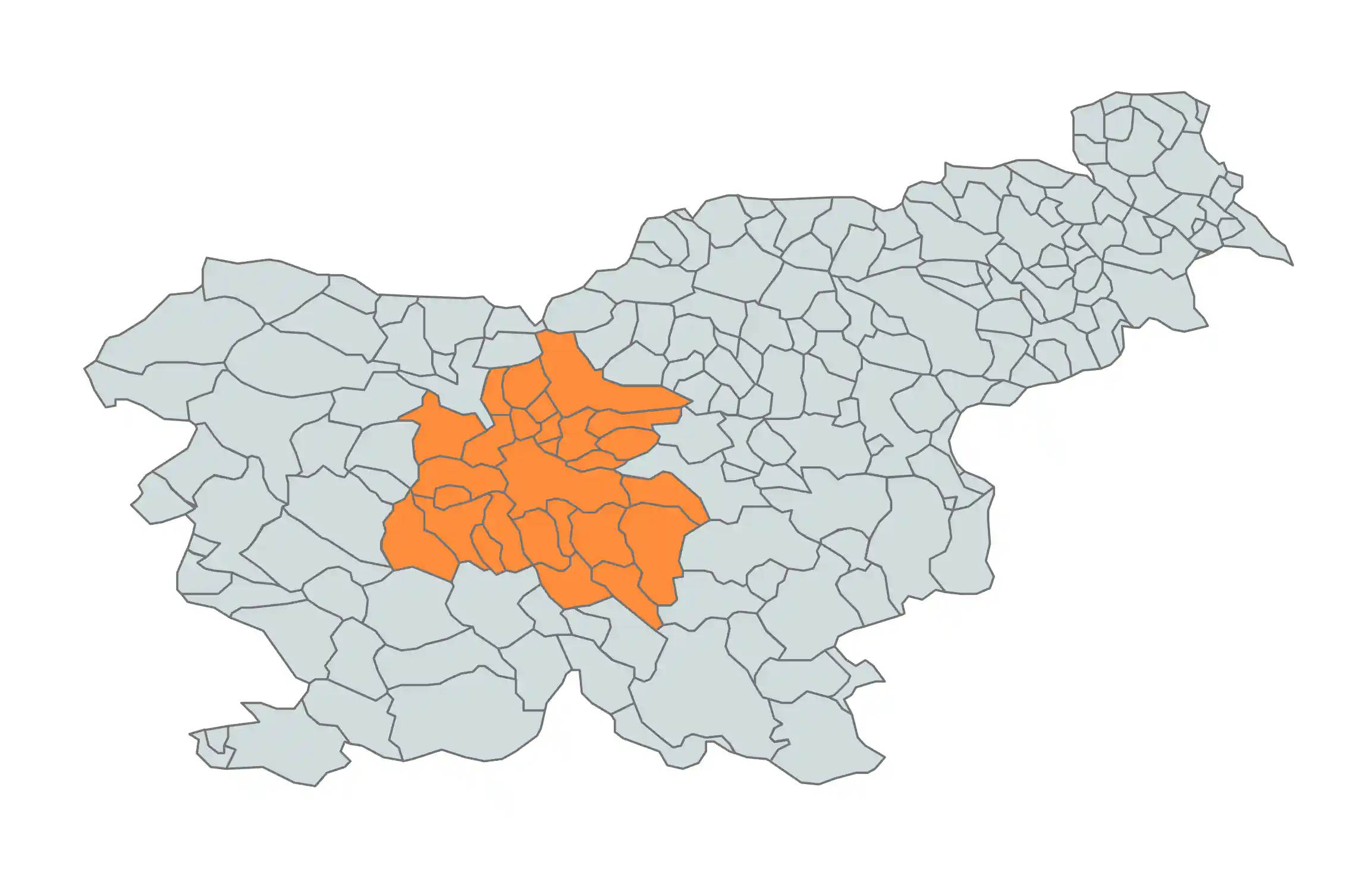
Central Slovenia is the ultimate base camp where the roads branch out like spokes from a hub. You can spend the morning exploring the Ljubljana Marshes to find the world’s oldest wooden wheel before heading north toward the Kamnik Alps. The drive leads you to the high altitude settlement of Velika Planina, where a scenic cable car or a winding mountain road takes you to a world of unique oval shingle huts.
The roads branch out toward the Polhov Gradec hills, offering smooth curves through small villages that transition from urban energy to deep forest in minutes. You will find hidden lakes like Podpeč and forest paths at the Iški Vintgar gorge just a short detour from the main routes. It is a region built for those who want to see the variety of the country without ever being more than an hour away from the center.
Stop your car at a local inn to try the famous Carniolan sausage served with fresh horseradish and mustard. The area is also known for Trnič cheese, a pear shaped treat decorated with ornate wooden stamps by mountain shepherds. Central Slovenia is a region of easy connections where you can experience high alpine culture and marshland mysteries in a single day of driving.
Central Slovenia highlights
- Velika Planina Shepherd Settlement This high-altitude plateau features unique oval wooden huts and is one of the last active herding villages in Europe. You can hike through the pastures and buy a ball of Trnic cheese, a local specialty often decorated with ornate wooden stamps.
- Ljubljana Marshes Explore the sprawling wetlands south of the capital where the world’s oldest wooden wheel was discovered among ancient pile dwellings. The flat roads are perfect for a quiet drive through rare bird habitats and misty morning fields.
- Bogenšperk Castle This well-preserved Renaissance fortress sits on a hill surrounded by lush forests and once served as the home of polymath Janez Vajkard Valvasor. It offers a peaceful detour into the rural landscape with expansive views of the rolling central hills.
- Iški Vintgar Gorge This deep limestone canyon is a local favorite for a quick escape into cool river waters and towering rock walls. The road ends at a trailhead leading to crystal-clear pools and hidden waterfalls perfect for a summer driving break.
- Pekel Gorge Waterfalls Located near Borovnica, this rugged canyon features five dramatic waterfalls hidden within a steep and mossy forest. The access road leads to a peaceful park where you can hike through the "Hell" gorge to find refreshing natural spray.
- Polhov Gradec Mansion Visit this elegant manor house tucked away in a quiet valley known for its unique "Dormouse" museum and historic tea tradition. The surrounding hills offer narrow winding roads that are ideal for exploring small hilltop chapels.
- Mayor Cave at Grosuplje Descend into this hidden underground world filled with seven chambers and impressive stalactite formations that stay cool all year. It is a much quieter alternative to the larger tourist caves and sits right off a scenic regional road.
- Ljubljanica River Source Follow the road to Vrhnika where the river bursts from the karst underground in multiple powerful springs at the foot of the hills. It is a serene spot to see the power of the limestone landscape before the water flows toward the capital.
- Zaplana Observation Tower Climb this wooden tower for a bird’s-eye view that stretches from the Alps to the Adriatic Sea on exceptionally clear days. The drive through the Logatec woods is quiet and filled with the scent of fresh pine and wildflowers.
- Central Market Gastronomy Park near the river to explore the open-air stalls selling everything from honey to forest mushrooms. Try a slice of traditional Potica cake, a leavened nut roll that is a staple of any Slovenian celebration.
The local Four
History of Central Slovenia
Central Slovenia has been a transit hub since the Copper Age when pile dwellers built homes on stilts in the marshes. These early engineers created the world’s oldest wooden wheel which remained preserved in the mud for five thousand years until its recent discovery. When the Romans arrived they recognized the strategic value of the basin and established a major trade route connecting the Adriatic Sea to the Danube River.
During the Middle Ages the landscape was defined by the struggle for power between local dukes and the rising Habsburg dynasty. Feudal lords built castles on every significant hilltop to guard the mountain passes and collect tolls from traveling merchants. The town of Kamnik became a powerhouse of trade and minting where silver coins were struck for the entire empire while the surrounding valleys remained wild and forested.
The modern identity of the heartland was forged in the late nineteenth century through a massive cultural awakening. Visionary architects transformed the urban centers while rural villages maintained their ancient herding traditions on high alpine plateaus. Today the region serves as a living museum where you can drive from prehistoric marshlands to medieval mountain settlements in a single afternoon.