

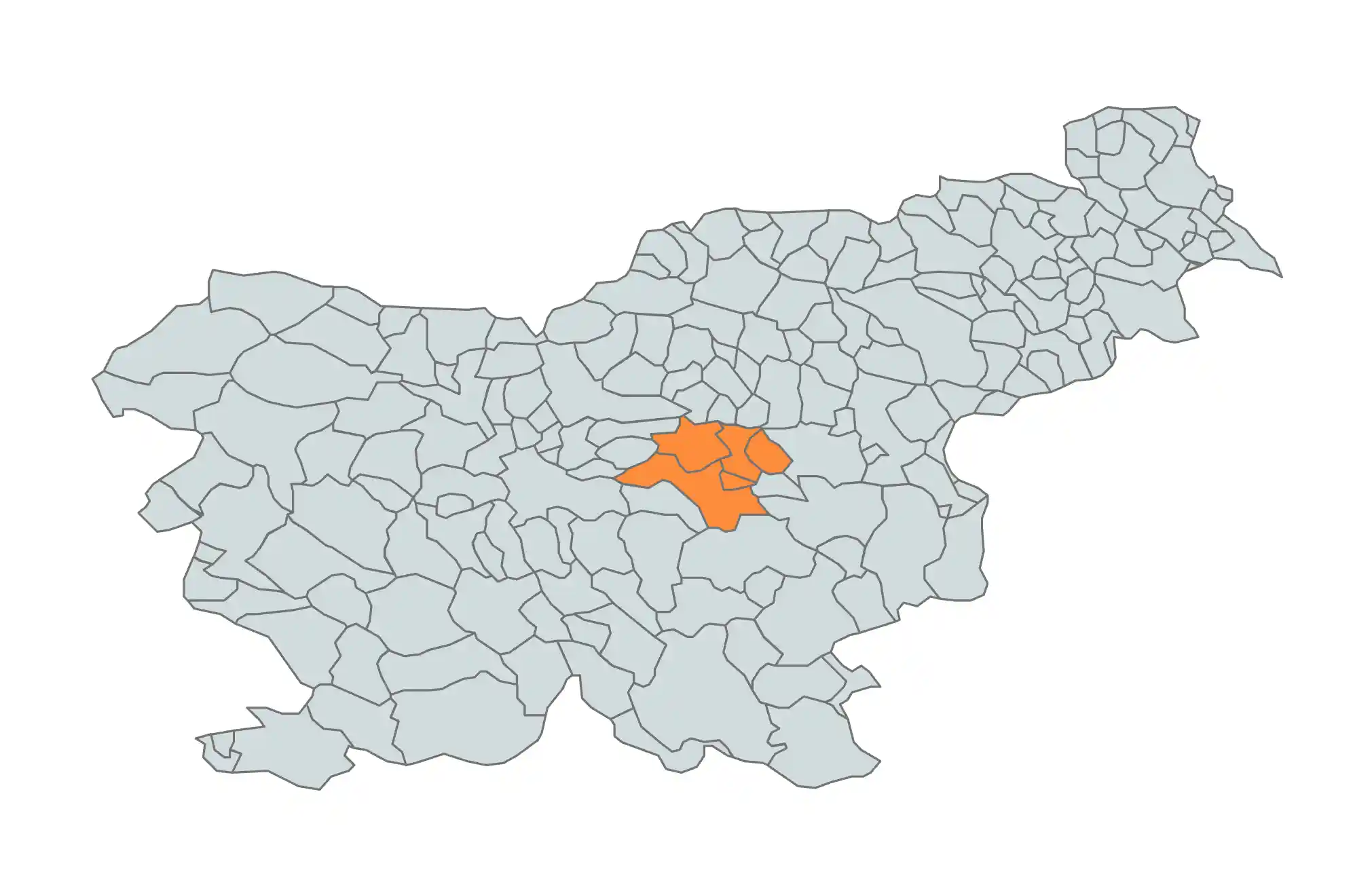
Central Sava is a dramatic drive through narrow river canyons where the mountains rise steeply from the water's edge. This region is a vertical world of deep mining history and tall industrial chimneys that tell a story of grit and fire. The road follows the Sava river through tight gaps in the rock, passing by old coal mine entrances and historic glassworks that once produced fine crystal.
Take the steep winding road up to the peak of Kum, known as the "Sava Triglav" for a bird's eye view that reaches across the entire country. The towns are nestled into the narrow valley floor, with houses clinging to the slopes in a very narrow space. It is a place where the industrial past is being overtaken by green forests, creating a unique and moody atmosphere along the valley floor.
Local food reflects the tough life of the miners. Look for funšterc, a simple but delicious "miner’s egg" omelet. You might also find jetrnice, a traditional sausage that has been a staple in these valleys for generations. Central Sava is a short but powerful stretch of road that offers a unique look at the country’s industrial soul and its natural frame.
Central Sava highlights
- Kum Mountain Peak Known as the "Sava Triglav," this is the highest peak in the region and offers a panoramic view of the entire country. The winding road to the summit is a thrilling climb that rewards you with mountain air and silence.
- Trbovlje Industrial Chimney Drive past the tallest chimney in Europe, a massive 360-meter concrete needle that stands as a monument to the mining era. It is a striking industrial landmark nestled in a narrow and deep green valley.
- Sava River Canyon Road The main road follows the tight curves of the river as it cuts through massive limestone cliffs and deep gorges. It is a dramatic driving route that connects the small mining towns and offers great river views.
- Hrastnik Crystal Glassworks Visit the home of world-class glass production where fine crystal has been hand-blown for over a century. The drive through the town reveals a rugged industrial character mixed with high mountain forest.
- Zasavje Mining Museum Explore the underground world of the coal mines that once powered the entire nation’s energy grid. The museum is located in an old shaft and provides a raw and authentic look at the difficult life of miners.
- Lisca Alpine Viewpoint This popular mountain destination offers great views of the Sava Valley and the distant peaks of the Alps. The road to the top is well-paved and leads to a large hut serving local mountain food.
- Medijske Toplice Ruins Once a grand thermal resort visited by royalty, these ruins now offer a moody and historic stop along the forest road. The surrounding park is a quiet place for a walk near the overgrown thermal springs.
- Radeče Paper Mill History Drive through this town known for its long tradition of papermaking, including the specialized paper used for world currencies. The town sits right on the river and offers beautiful riverside paths for a break.
- Geometric Center of Slovenia Take the scenic road to the exact geometric center of the country, marked by a stone monument in a peaceful forest. It is the symbolic heart of the land surrounded by traditional rural landscapes.
- Miner's Funšterc Omelet Look for this traditional "miner's egg" in local inns, a simple but delicious thick omelet made with flour and eggs. It was the staple lunch for workers in the coal mines for over a hundred years.
The local Four
History of Central Sava
The history of the narrow Sava canyons is a story of fire and heavy industry that transformed a quiet mountain pass into an economic engine. When coal was discovered in the hills during the early nineteenth century the region exploded with growth as mines were dug deep into the rock. This brought a massive influx of workers from across Europe who built a tough and resilient community in the tight spaces of the valley.
For over a hundred years the sky over the river was filled with smoke from glassworks and iron foundries that operated day and night. The industrial ambition of the area culminated in the construction of Europe’s tallest chimney which was built to carry emissions above the fog of the deep canyons. These valleys were the pulse of the country’s progress and played a key role in the development of the national railway system.
As the mines eventually closed the region began a dramatic transformation back toward its natural roots while honoring its blue collar soul. The old industrial sites are now being repurposed for art and high tech innovation while the forests are reclaiming the old stone ruins. It remains a powerful landscape where the vertical rock walls remind every traveler of the monumental effort it took to build a life here.