

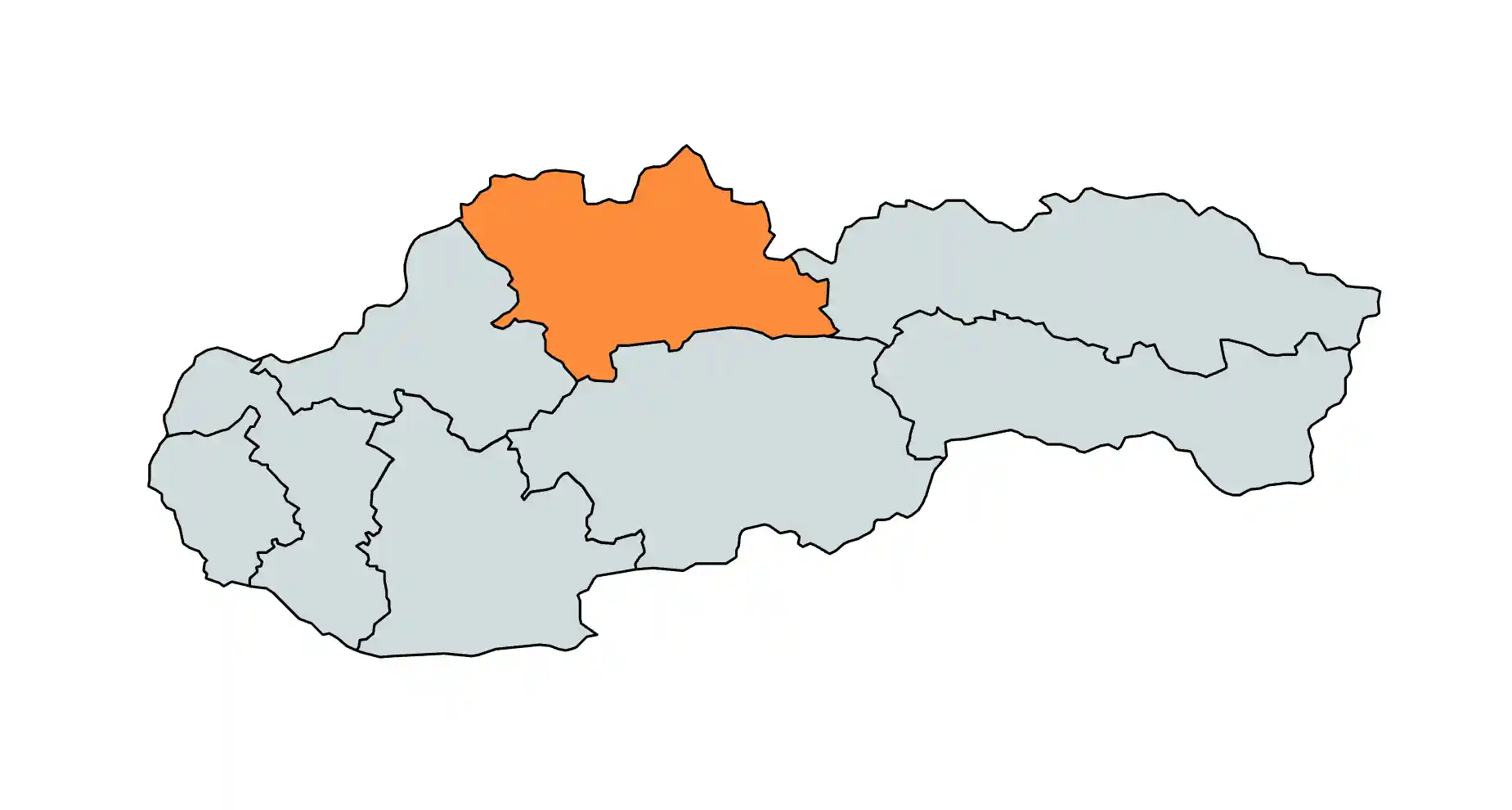
The Žilina region is a kingdom of high peaks and deep glacial lakes where the mountains reach for the clouds. You are in the heart of the Tatras and the Fatra ranges where the rock is gray and the forests are dark green. It's an area of the national hero Janosik where deep gorges provided a hideout for forest rebels. The roads here are a winding delight through narrow passes and over high mountain ridges.
You find yourself in a world of wooden wonder in the region where local villages still use logs and moss to build homes. The Orava Castle sits on a high spike of rock like a bird of prey looking down at the river. You can explore the Vlkolinec settlement in the Žilina Region to see how people lived centuries ago in the shadow of the mountains. A place of raw power where the waterfalls roar.
The landscape is a mix of high alpine meadows and deep limestone caves. You can raft down the Orava River on traditional wooden floats or hike to the top of the Great Rozsutec for a view of the entire range. The Žilina Region is the ultimate playground for nature lovers and adventurers. It's a wild and honest experience in the most dramatic mountains of the land.
Žilina (region) highlights
- Orava Castle This massive fortress is built on a high rock needle and appears to grow out of the stone. It is famous as the filming location for the first Dracula movie and offers a journey through three different levels of history.
- Janosikove Diery A spectacular system of gorges and waterfalls in the Mala Fatra mountains where you can climb ladders over rushing water. It is one of the most exciting hiking routes in the country and is accessible for active travelers.
- Liptovska Mara Lake The largest water reservoir in Slovakia offering beautiful views of the surrounding Tatras. You can drive along the shore to find quiet beaches or visit the reconstructed Celtic settlement of Havranok.
- Vlkolinec Village A perfectly preserved settlement of traditional wooden houses that looks exactly as it did two hundred years ago. It is located on a high meadow and provides a peaceful look at the mountain way of life.
- Demänovská Cave of Liberty One of the most visited caves in Europe featuring a massive system of colorful stone domes and an underground river. The air inside is incredibly pure and the stone formations are some of the most complex in the world.
- Velka Fatra National Park A wild mountain range famous for its deep forests and rare yew trees. The roads through the Gaderska and Blatnicka valleys offer easy access to some of the most beautiful canyon scenery in the north.
- Zuberec Open Air Museum Located at the foot of the Rohace mountains this museum features original wooden buildings brought from all over the Orava region. It includes a functioning mill and a beautiful wooden church.
- Strecno Castle This fortress stands on a limestone cliff directly above the Vah River and once controlled the main trade route. You can visit the castle for history or take a traditional wooden raft trip on the river below.
- Terchova Statues The birthplace of the national hero Janosik is marked by a giant steel statue that watches over the valley. The town is a gateway to the mountains and is famous for its unique folk music and cheese.
- Prosiek and Kvacany Valleys Two parallel canyons that offer a loop hike through deep woods and past ancient wooden watermills. The scenery is rugged and lush feeling like a secret world hidden behind the mountain ridges.
The local Four
History of Žilina (region)
The Žilina region is a kingdom of rock and pine where high altitude dictated a wilder and more independent way of life. For centuries the deep mountain passes of the Tatras and the Fatra ranges were the domain of shepherds and forest rebels who lived outside the reach of lowland laws. It was a landscape of high alpine pastures and glacial lakes where survival depended on the strength of a log cabin and knowledge of the mountain trails.
Legend and history are inseparable here particularly through the story of Janosik the mountain outlaw who became a national symbol of resistance. The limestone gorges and hidden caves provided the perfect hideouts for those who dared to challenge the local lords. This was a land of wooden architecture where entire villages were built without using a single scrap of metal to keep out the winter chill.
Modern history brought industry as the power of the mountain rivers was harnessed for timber and energy. The building of the railways through the narrow valleys connected these isolated mountain cultures to the rest of the world for the first time. Even with these changes the rugged character remains in the mountain huts and the untamed terrain of the High Tatras.