

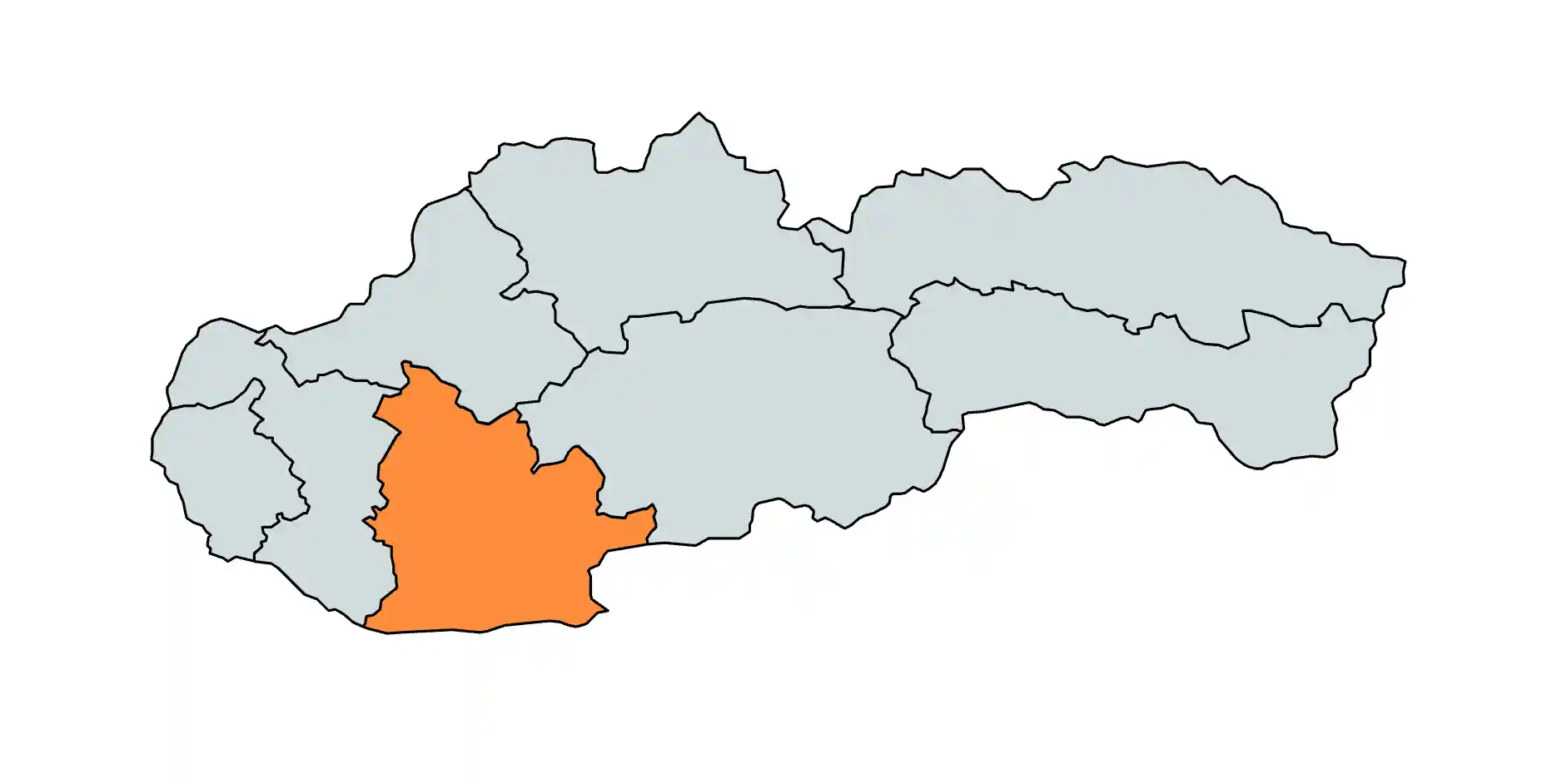
The cradle of the nation sits in the Nitra region among rolling hills and ancient hillforts that date back to the first tribal kings. This territory is a place of deep roots where the history of the early Slavs is buried in the dark soil. Massive basilicas and stone cathedrals dominate the skyline of the older towns in the Nitra Region. The landscape is a patchwork of sunflower fields and old vineyards that produce deep reds and sweet dessert wines.
You find yourself in a land of thermal power where the earth provides heat to the local baths. The roads of the Nitra Region wind past old stone bridges and quiet ponds where the swans gather in the reeds. You can visit the manor houses of Topolcianky where the royal stables still house white horses and the forest is full of deer. It is a master of calm beauty and historical pride where every hill has a story to tell.
The southern reaches of the region meet the Danube in a world of river islands and quiet fishing spots. You can explore the old fortifications of Komarno where the stone walls are some of the largest in Europe. The Nitra Region is a blend of royal heritage and rural peace where the sun sets over the golden wheat fields.
Nitra (region) highlights
- Topolcianky Manor House This elegant residence was once the summer home of presidents and features a massive park with a famous horse stud farm. You can see rare Lipizzaner horses and explore the royal wine cellars nearby.
- Komarno Old Fortress One of the largest and strongest fortification systems in Europe with massive stone walls and underground tunnels. The town also features the Europe Place square where every building represents a different national architecture.
- Hrusov Castle Ruins A majestic stone ruin hidden in the Tribec mountains that has been carefully restored by volunteers. It is an easy walk from the road and offers a quiet spot to explore medieval towers and courtyards.
- Mlynany Arboretum A massive botanical garden that houses thousands of exotic tree species from all over the world. The paths lead through different continents making it a global nature tour in a single afternoon.
- Podhajska Thermal Baths Known for having water with a similar composition to the Dead Sea these baths are a popular stop for health and relaxation. The mineral rich water has a unique brown color and stays warm even in the winter.
- Bina Romanesque Church A rare and ancient stone church from the 1200s that stands in a quiet village near the border. Its thick walls and simple design offer a look into the early days of Christianity in the region.
- Tesarske Mlyny A group of traditional watermills located in a peaceful valley where you can see the engineering of the past. It is a great spot for those who enjoy rural history and quiet country roads.
- Levice Castle A fortress that successfully resisted Ottoman attacks now housing a regional museum. The ruins are integrated into a parkland making it an easy and interesting stop in the center of a historic town.
- Gymes Castle A remote and atmospheric ruin located on a high hill in the southern woods. It is less crowded than other sites and offers a sense of discovery as you explore the overgrown stone walls.
- Zitavany Peace Monument A modern memorial marking the site of an important peace treaty between the Habsburgs and the Ottomans. It sits in the open fields and serves as a reminder of the region's role as a buffer between empires.
The local Four
History of Nitra (region)
The Nitra region is the ancient cradle of the Slovak people where the first tribal centers were built on rolling hills and river floodplains. Over a thousand years ago these slopes were the site of the first Christian missions and the earliest written laws of the Slavs. It was a territory of early kings and powerful princes who saw the strategic value of the fertile basins where the mountains finally give way to the sun drenched southern plains.
During the era of the Turkish wars the area became the front line of defense for the entire continent. Massive star shaped fortresses like the one in Komarno were built to withstand advanced artillery creating a stone barrier against the Ottoman advance. The landscape is dotted with the remains of these military projects where old walls and hidden tunnels still snake through the river towns.
Agricultural wealth eventually turned the area into a land of refined manor houses and royal estates. The hillsides were covered in sunflowers and vineyards that produced the favorite wines of the Habsburg court. History is found today in the deep cellars of Topolcianky and the quiet courtyards of medieval monasteries that have dictated the pace of life for over twenty generations.