

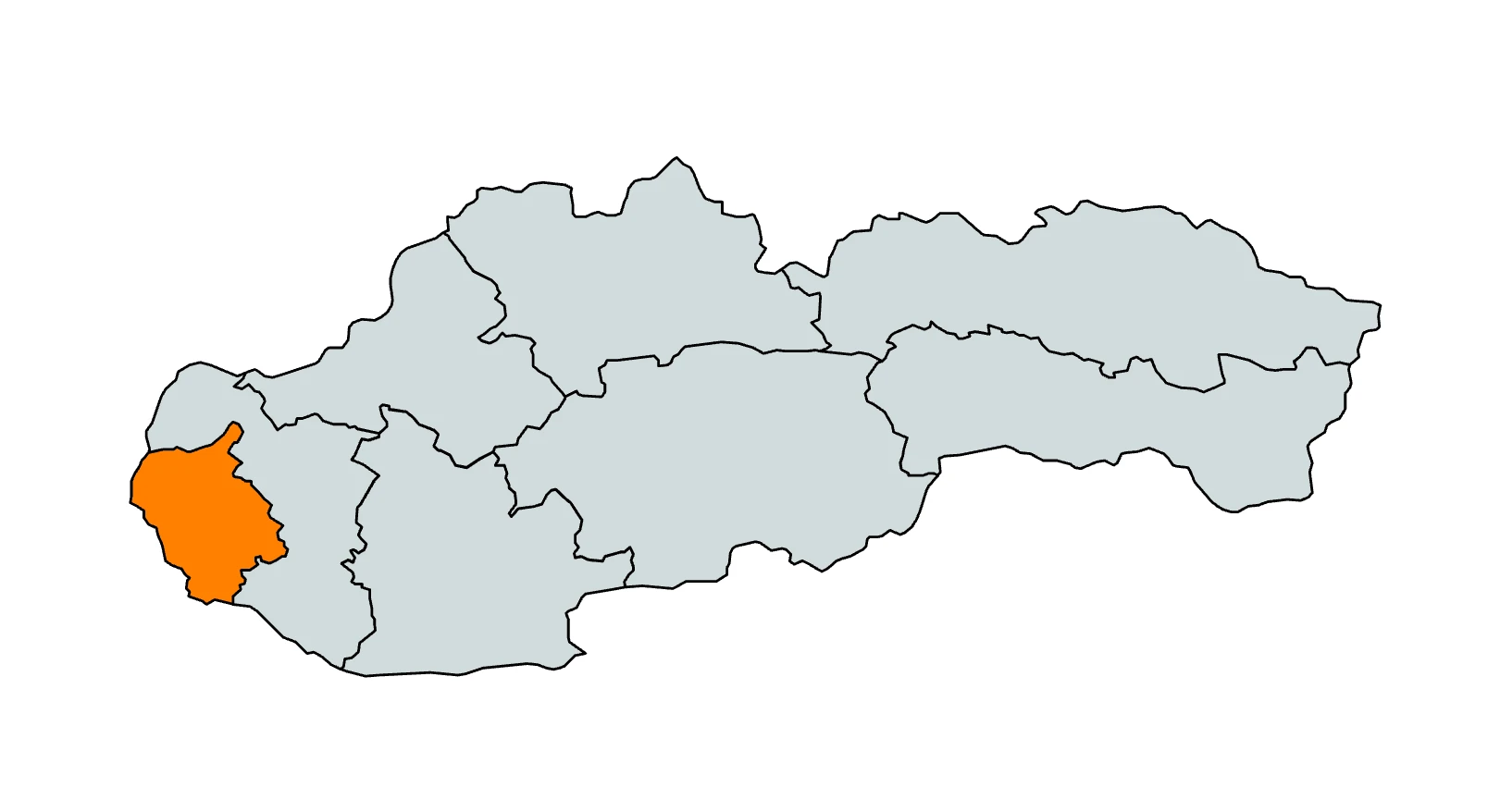
The Bratislava region extends far beyond the city into a landscape of wild river islands and the rising green slopes of the Small Carpathians. You stand at a historical crossroads where the Iron Curtain once split the continent in two. Ancient watchtowers and concrete bunkers still hide in the thick brush along the Morava River. The roads throughout the Bratislava Region wind through a sea of emerald vines that produce the most famous white wines in the country.
Further from the urban lights you find the sleepy villages of the Zahorie lowlands. This part of the region is a place of deep pine forests and soft sandy soil. You can explore the ruins of Pajstun Castle where the stone walls look over the border into Austria. Local markets are filled with the scent of roasted geese and traditional thick cakes that have been made the same way for centuries.
The Danube River defines the southern border of the area with its massive floodplains and hidden pebble beaches. You can visit modern art galleries sitting right on the water or hike the rocky paths of the Devinska Kobyla hills. The Bratislava region is a perfect blend of high history and raw nature. It offers a fresh perspective on a region where the forest meets the water.
Bratislava (region) highlights
- Devin Castle Ruins Perched on a high limestone cliff at the meeting of two major rivers this stone fortress offers views across the border into Austria. It is a powerful symbol of national history where you can explore ancient gatehouses and walk along the rugged ramparts.
- Small Carpathian Wine Route This scenic driving path connects a string of historic towns like Svaty Jur and Modra where the local volcanic soil produces world class white wines. You can stop at family cellars to taste fresh vintages and explore the traditional viticulture of the western hills.
- Driny Cave Hidden in the woods of the Small Carpathians this is the only cave open to the public in western Slovakia featuring narrow passages and curtain shaped stone formations. It offers a cool escape from the summer heat and a look into the limestone secrets of the hills.
- Cerveny Kamen Castle A massive fortress known for its giant underground cellars and well preserved noble rooms filled with antique furniture and hunting trophies. The castle grounds often host falconry displays making it a great stop for families and history lovers.
- Zahorska Ves Ferry Take a unique river crossing on a small ferry that connects Slovakia with Austria across the Morava River. This quiet border crossing is a nostalgic way to continue a road trip into neighboring lands while enjoying the peaceful river scenery.
- Danubiana Meulensteen Art Museum Located on a thin peninsula surrounded by the Danube River this modern gallery blends bold architecture with the raw energy of the water. The outdoor sculpture park is a perfect spot for a break during a river drive to see international art in a maritime setting.
- Sandberg Sand Formation This ancient sea bed near Devinska Nova Ves is a massive sand hill where you can find prehistoric fossils and enjoy a panoramic view of the river floodplains. It is a popular spot for a short hike to watch the sunset over the Austrian plains.
- Biofarma Stupava A rustic farm hidden in the forest where you can see traditional sheep and horses while eating authentic mountain food in a wooden hut. It is an ideal roadside stop to try fresh sheep cheese and see the old ways of Slovak country life.
- Plavecky Castle High on a hill overlooking the pine forests of the Zahorie region these white ruins are a favorite for hikers seeking a dramatic viewpoint. The climb is short but steep rewarding travelers with a clear sight of the distant Carpathian ridges.
- Iron Curtain Bike Trail While built for cyclists the road following this trail offers car travelers access to a series of preserved watchtowers and memorials from the Cold War era. It is a sobering and educational drive through the meadows that once divided East and West.
The local Four
History of Bratislava (region)
The Bratislava region is a high stakes borderland where the rolling Small Carpathians meet the massive flow of the Danube. For centuries it marked the edge of the Roman Empire guarded by stone outposts like Gerulata where soldiers watched the wild Germanic tribes across the water. It was a landscape of strategic river crossings and rocky hills that dictated the movement of armies and merchants moving along the ancient Amber Road.
During the Middle Ages this territory became the defensive shield for the Hungarian Kingdom with a string of fortresses rising from the forest. Castles like Cerveny Kamen were engineered with massive cellars to hold vast stores of wine and gunpowder while the cliffs of Devin saw the rise and fall of Great Moravia. The land was a patchwork of royal hunting grounds and thriving vineyards where the soil was so prized that local vintages were exported to the tables of emperors in Vienna.
The 20th century transformed the area into a bridge between two worlds during the Cold War. The landscape was scarred by the Iron Curtain where barbed wire and watchtowers cut through the meadows of the Morava River valley. Today travelers can still find hidden concrete bunkers buried in the brush and ancient vine rows that have survived every political shift in history.