

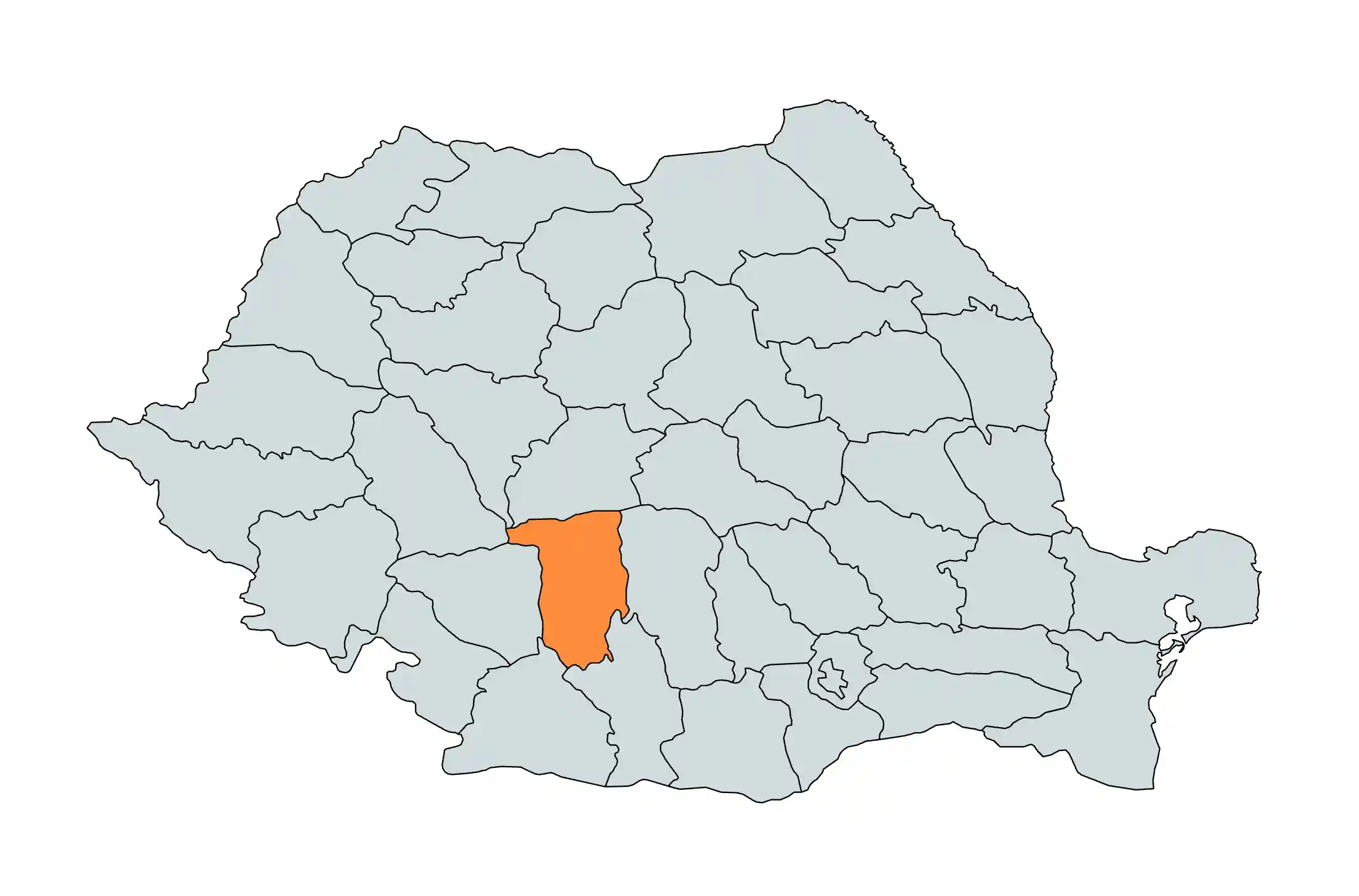
Vâlcea county offers a thrilling and spectacular drive through the Cozia Gorge, where the Olt river has cut a narrow path through the high mountains. The road follows every bend of the river, with massive rock walls rising thousands of feet on either side and white water rushing below. It is a bold and grand scenery that stays in your mind, offering many tunnels and narrow bridges that are a thrill to drive. The air is fresh and the mountains are covered in dense forests of oak and beech that change color beautifully with the seasons. You pass several ancient monasteries, like Cozia, that were built by the old princes right on the edge of the water.
Visit Horezu to find the most famous and beautiful pottery in the land, recognized globally for its unique and intricate style. The ceramic plates and bowls are hand-painted with bright images of birds, flowers, and the famous Horezu rooster in a tradition that has been passed down for centuries. You can see the local artists at work in their small workshops and even try your hand at the potter's wheel under their expert guidance. The town is a place of deep pride and ancient craft, surrounded by the quiet beauty of the sub-Carpathian hills. The local Hurezi Monastery is a white stone gem of art and peace that is a must-visit for any art lover.
The mountain spas of Vâlcea are world-famous for their healing mineral waters and have been welcoming travelers seeking health for over a century. You can soak in warm pools and enjoy the fresh, ionized mountain air in resorts like Călimănești or Olănești. The local parks are filled with flowers, statues, and quiet paths that are perfect for a relaxing walk after a long day of driving. It is a top choice for a day of rest and recovery, offering a perfect blend of natural beauty and high-quality spa treatments. This route is a fascinating mix of wild river power and delicate traditional art.
Vâlcea (county) highlights
- Transalpina (Obârșia Lotrului) Drive the highest road in the land as it cuts through the Parâng Mountains, offering views of alpine lakes and jagged granite peaks. This section is wild and rugged, with the road often disappearing into the clouds above the tree line. It is the ultimate driving adventure for those who crave the thin, cold air and the thrill of the high mountain open.
- Horezu Pottery Center Visit a world-famous craft village where master potters create bright ceramics decorated with the iconic "Horezu Rooster" symbol. You can watch the wheels spin in small workshops and buy authentic blue, green, and ivory pottery directly from the artists. It is a vibrant hub of UNESCO heritage that highlights the incredible creative energy of the Oltenia region.
- Hurezi Monastery Explore a masterpiece of the Brâncovenesc style, a massive white complex protected by high stone walls and a silent forest. The monastery is famous for its delicate stone carvings, grand frescoes, and its role as a major center for printing and art. It is a place of deep spirit and architectural perfection, set in a peaceful and majestic mountain valley.
- Lotru Valley Drive Follow the rushing river through a deep and forested canyon that leads toward the high peaks and the Vidra Lake reservoir. The road is scenic and cool, passing through traditional mountain villages and past dramatic rock walls that drip with fresh water. It is a favorite route for nature lovers and drivers who enjoy the intimate beauty of the Carpathian woods.
- Olt Defile (Cozia) Navigate the narrow road squeezed between the high Cozia massif and the wide, powerful Olt River. The drive offers constant views of the water and the historic Cozia Monastery, which has stood on the river bank for over six centuries. It is a dramatic and vertical landscape where the road and the river fight for space in the rocky mountain gap.
- Călimănești-Căciulata Resorts Relax in a classic spa town famous for its healing thermal springs and its grand architecture from the old royal era. You can soak in warm mineral pools or walk along the river promenade under the shade of ancient trees. It is a peaceful destination that combines the luxury of the spa with the fresh air and beauty of the southern mountains.
- Muierii Cave (Vâlcea Access) Discover a massive limestone cavern where the stone formations look like frozen curtains and columns of crystal. The cave has served as a sanctuary for thousands of years and features a path that takes you deep into the heart of the mountain. Its cool, damp air and glowing rocks create a subterranean world that feels truly ancient and mysterious.
- The Trovants of Costești Marvel at the Living Stones, giant round boulders that look like they grew organically from the sand in bulbous alien shapes. These geological wonders are shrouded in local legends and provide a fantastic and strange backdrop for a short walk. It is a unique nature site that captures the wild and unpredictable power of the local earth.
- Mălaia Lake and Waterfall Find a quiet sanctuary at a high mountain reservoir where the deep blue water is surrounded by steep emerald-green slopes. Nearby, the Scoruș Waterfall falls in a single, powerful thread of silver over a massive rock wall hidden in the forest. It is a spectacular and fresh nature destination that offers a sense of absolute peace and isolation.
- Bistrița Monastery Seek out a peaceful religious site tucked against a high limestone cliff, featuring a secret cave where holy relics were once hidden from invaders. The monastery is a center of deep faith and absolute silence, offering a calm retreat for every visiting traveler. You can walk the shaded grounds and hear the wind in the mountains and the bells calling across the valley.
The local Four
History of Vâlcea (county)
Vâlcea is the land of the living monasteries and the historic salt routes of the Olt Valley. The region is home to the Hurezi Monastery which was founded in 1690 by Constantin Brâncoveanu and is considered the finest example of the Brâncovenesc style featuring a unique blend of Renaissance and Byzantine architecture. The county history is also defined by the Salt Mine of Ocnele Mari which has been in operation since the Roman era and features massive underground chambers that were once used as a strategic refuge. The landscape is a dramatic mix of the high Făgăraș and Lotru mountains and the deep river gorges of the Olt.
The county holds the history of the Transalpina road which was originally a Roman strategic path known as the Devil Path used by the legions to move rapidly across the peaks. The mountain resort of Călimănești Căciulata was discovered by monks in the middle ages and its mineral waters were so famous that they were sent by special carriage to Emperor Napoleon III in the 19th century. The region is also the birthplace of the national anthem which was first performed in 1848 in the city of Râmnicu Vâlcea during the revolutionary movements that swept the land. The local pottery center at Horezu is famous for its unique rooster motif and has used the same clay techniques for over 300 years.
For a road trip user the DN7 through the Olt Valley is one of the most spectacular drives in the country passing beneath high limestone cliffs and ancient watchtowers. You can drive to the Vidra Lake or follow the high altitude curves toward the Lotru Valley to see the massive hydroelectric dams of the 1970s. You should visit the Museum of the Trovants to see the growing stones which are unique geological formations that seem to expand after the rain. Vâlcea is a journey through the spiritual heart of the southern mountains and the ancient engineering of the Roman mountain passes.