

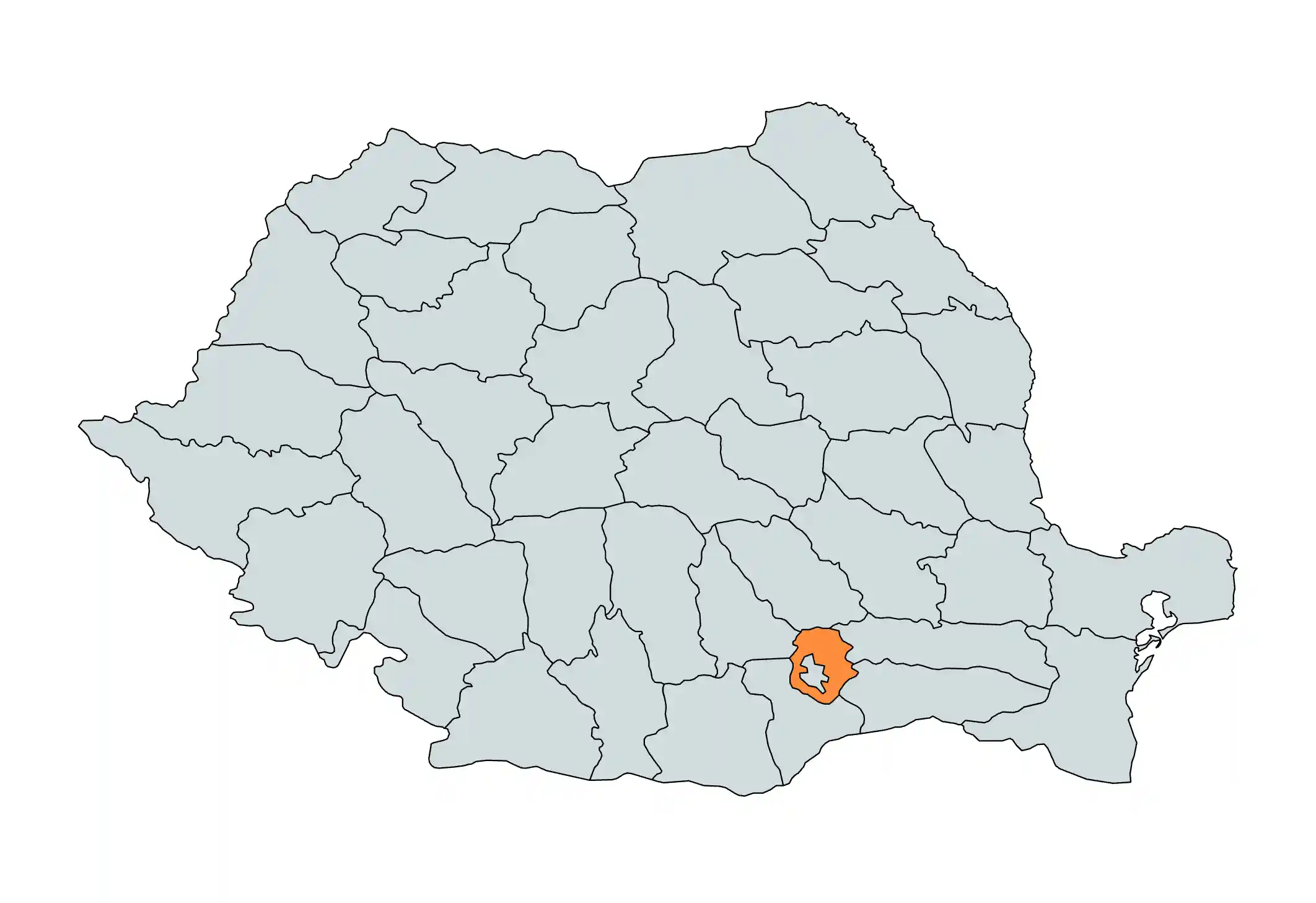
Ilfov county is the green necklace that surrounds the capital city, providing a landscape of royal forests and vast blue lakes. You can visit the Mogoșoaia Palace, where the elegant red-brick walls reflect on the calm surface of a quiet lake. The palace gardens are vast and full of old trees, providing a perfect spot for a weekend walk away from the noise of the city. The architecture is a unique mix of eastern and western styles that was developed by the local princes centuries ago. You can have a quiet picnic on the grass or explore the art galleries housed inside the palace walls.
Drive to Snagov Lake to find a world of water, thick oak forests, and hidden luxury villas. The lake is huge and hides an ancient monastery on a small island where legends say a famous prince found his final resting place. You can take a boat across the water to explore the quiet shores or watch the rowing teams practice in the early morning. The air is fresh and the woods are deep, providing a cool retreat for those who want to escape the summer heat of the capital. It is a prime spot for a scenic drive past the historic estates that dot the lakeshore.
The area is full of old forest parks and hidden gems like the Cernica Monastery, which sits on the edge of a vast marshland. It is a place of absolute peace and bird song, located just a few miles from the edge of the big city. The roads are easy to follow and lead to many weekend getaways where you can find traditional food and quiet nature. This route is a green breath of fresh air for any traveler, offering a peaceful transition between the urban world and the rural south. You can find small farm stands along the road selling fresh berries and honey from the surrounding forests.
Ilfov (county) highlights
- Mogoșoaia Palace Walk through a sprawling brick estate that serves as the ultimate example of Brâncovenesc architecture, blending Renaissance lines with Ottoman floral details. The palace sits on the edge of a quiet lake and is surrounded by English-style gardens and a 17th-century church. It is a favorite weekend escape for those looking to breathe fresh air while surrounded by Wallachian nobility.
- Snagov Monastery Take a small boat to a tiny island in the middle of a deep lake to visit the rumored final resting place of Vlad the Impaler. The stone church is filled with some of the most beautiful and well-preserved frescoes in the region, dating back centuries. It is a place of deep silence and mystery, where the lapping of the water is the only sound you hear.
- Cernica Monastery Explore a massive monastic complex built on a peninsula, featuring three churches and a peaceful cemetery where many of the nation's greatest writers are buried. The monastery is famous for its long, shaded alleys of walnut trees and its view over the wide Cernica lake. It is a spiritual hub that offers a profound sense of calm just minutes from the busy beltway.
- Țiriac Collection Visit a world-class private car gallery that features hundreds of rare and exotic vehicles, ranging from 19th-century carriages to modern supercars. It is the only collection in the world to house all seven Rolls-Royce Phantom models, displayed in a high-tech, climate-controlled hall. For car lovers, it is a shiny, mechanical paradise that highlights the glamour of the open road.
- Therme București Park your car and step into the largest wellness and greenery center in Europe, a tropical glass palace filled with palm trees and mineral pools. The facility uses geothermal water from deep underground to power its saunas and massive indoor wave pools. It is a futuristic and relaxing destination that feels like a trip to the Caribbean in the middle of the Romanian plain.
- Chiajna Monastery Ruins Discover a haunting "cursed" landmark where massive stone walls stand roofless and abandoned in a field of wild grass. Legend says the monastery was never consecrated because it was attacked before completion, and the great bell was thrown into the river to hide it from invaders. It is a dramatic and photogenic spot that captures the melancholy beauty of the region's turbulent past.
- Căldărușani Monastery Seek out a fortress-like sanctuary tucked deep inside a forest and surrounded on three sides by the waters of a narrow lake. Founded by Prince Matei Basarab, the monastery holds a famous collection of icons painted by the legendary Nicolae Grigorescu. It is a quiet, shaded retreat where the thick stone walls provide a cool escape even in the height of summer.
- Edenland Park Adventure through the largest "tree-top" park in the country, located in the middle of the Balotești forest. It offers dozens of elevated trails, climbing walls, and even a paintball arena for those looking to burn off some road-trip energy. It is a lively and green destination that highlights the recreational side of the forests surrounding the capital.
- Buftea Film Studios Lake Drive past the historic center of the Romanian film industry, where many international blockbusters have been shot on massive outdoor sets. The nearby lake and the Știrbei Domain offer a refined setting for a walk among centuries-old oaks and a small Neo-Gothic chapel. It is a place where the history of cinema meets the traditional elegance of the old boyar estates.
- Vlăsia Forest Drive Navigate the narrow, winding roads that cut through the last remaining sections of the great Vlăsia Woods that once covered the entire plain. The forest creates a thick green tunnel over the asphalt, providing a scenic and shaded route that connects the quiet northern villages. It is a simple but beautiful drive that shows the natural landscape as it existed before the city expanded.
The local Four
History of Ilfov (county)
Ilfov is the defensive perimeter of the Wallachian crown and a landscape of tactical lake estates. Historically known as the Vlăsia Woods it functioned as a massive natural barrier that protected the capital from northern invaders for centuries. In 1702 Constantin Brâncoveanu completed Mogoșoaia Palace which introduced a new architectural style blending Venetian and Ottoman elements with thick defensive walls and a secret treasury room. By the 19th century the region became the playground of the boyar elite who built estates like the Știrbei Domain in Buftea which featured its own private chapel and a massive park designed to host the most influential political meetings of the era.
The county’s history is anchored by the Snagov Monastery founded in 1417 on an island in the middle of a deep lake where the water acted as a natural moat. This site is the rumored burial place of Vlad the Impaler and served as a high security center for the first printing press in the region during the 1600s. In 1869 the county saw the inauguration of the first railway in the kingdom connecting Bucharest to Giurgiu which fundamentally changed the speed of commerce. During the Cold War the region was chosen for the Măgurele physics center where the country first nuclear reactor was installed in 1957 marking the transition from princely forests to scientific research.
Road trippers should drive the DN1 route toward the Snagov forest to see the remaining patches of the ancient Vlăsia woods. You can visit the Cernica Monastery which was established in 1608 and is famous for its unique island cemetery where many of the nation greatest intellectuals are buried. The modern landscape is dominated by the Otopeni airport which was a military base during WWII before becoming the main international gateway in 1970. From the brick arches of the Chitila manor to the high tech corridors of the modern science parks Ilfov is a journey through the evolution of royal protection and technological progress.