

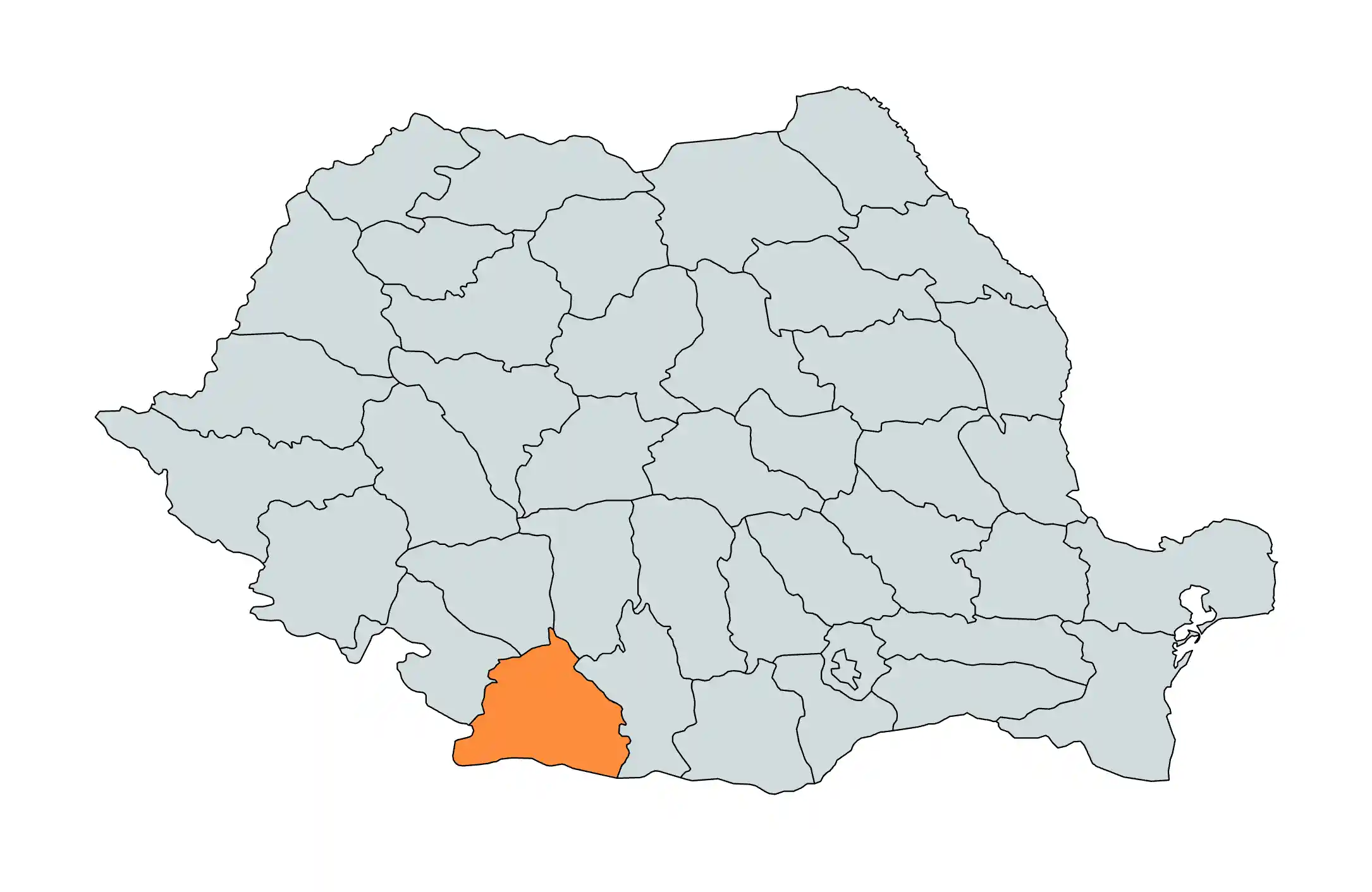
Dolj county is the heart of the southern plains and a place where grand urban parks meet the wide horizons of the grain lands. You can walk through Nicolae Romanescu Park in Craiova, which is one of the largest and most beautiful natural parks in Europe. It features a fairy-tale suspended bridge, a medieval-style castle and a large lake where you can rent boats. The ancient trees offer deep shade from the intense southern sun, making it a perfect spot for a long relaxing afternoon. The park also includes a small zoo and miles of winding paths that are ideal for cycling or a quiet stroll.
Drive across the wide plains where the land is flat and the crops turn golden under the bright summer sun. You find large farms and quiet river towns that sit along the banks of the Danube. The scenery is broad and open, which makes for an easy and relaxing drive for those who love the feeling of endless space. Life moves at a steady, calm pace here, influenced by the rhythm of the agriculture and the river. It is a land of big horizons where you can see the weather moving across the sky from miles away.
The city of Craiova is full of grand palaces and art galleries that reflect the wealth of the old southern aristocracy. You can find original sculptures by Constantin Brâncuși in the local Art Museum, which is housed in a stunning palace with gold-leaf ceilings. The buildings in the city center feature rich stone carvings and elegant facades that remind you of the city's royal connections. This route offers a look at the elegance of the south and the pride of a region built on the riches of the earth. The city’s main square is a lively hub of fountains and cafes that comes alive after the sun goes down.
Dolj (county) highlights
- Nicolae Romanescu Park Walk through one of the largest and most beautiful urban parks in Europe, featuring a suspension bridge and a castle-like water tower. The landscape was designed to look entirely natural, with winding paths that lead through thick groves of trees and around a large central lake. It is a magnificent green escape that offers a refined and classic atmosphere for a long stroll.
- Danube Floodplains at Cetate Visit the riverside where an old port has been transformed into a cultural estate famous for its art and local food. The view of the wide Danube moving slowly past the sandy banks creates a sense of immense space and quiet freedom. It is a unique destination where you can enjoy the creative spirit of the region right on the water’s edge.
- Museum of Oltenia Explore the rich folk history of the south in a grand building that houses everything from traditional costumes to ancient mammoth bones. The exhibits provide a deep look into how the people of the plains have lived and worked for thousands of years. It is an insightful stop that helps you understand the cultural soul of the southern Romanian landscape.
- Ciuperca Park and Lake Enjoy a modern and bright green space where the water is surrounded by colorful flower beds and wide walking paths. The park is a popular local spot for evening walks and offers a fresh, open atmosphere under the big southern sky. It is a great place to stretch your legs and enjoy the warm breeze coming off the lake.
- The Old Town Merchant Streets Navigate the restored center of the regional capital to see elegant buildings that reflect the wealth of the old grain merchants. The fancy stone faces and large windows of the houses tell a story of a time when this was a booming hub of trade. Walking here gives you a sense of the old-world pride and classic European style of the south.
- Calafat Promenade Stroll along the river bank in this border town to watch the big ships pass by on their way to the sea. The promenade offers a wide view of the Danube and the distant mountains of Bulgaria on the opposite shore. It is a peaceful and airy spot that captures the essential connection between the people and the mighty river.
- Maglavit Monastery Visit a place of pilgrimage famous for the story of a local shepherd who claimed to have seen a divine vision in the fields. The monastery is a center of deep faith and draws many people who are looking for hope and spiritual peace. The surrounding plains are vast and quiet, creating a reflective atmosphere for every visiting traveler.
- Bucovăț Monastery Discover a small stone church with very old wall paintings that show the traditional religious art of the Oltenia region. The site is located on a quiet hill and offers a calm view of the surrounding agricultural landscape. It is a hidden gem for those who love history and want to see a site far away from the busy tourist routes.
- Radovan Forest Drive through a large and mysterious wood that is the subject of many local ghost stories and old legends. The trees are tall and the shadows are deep, making it a cool and atmospheric route for a shaded afternoon drive. It is a popular spot for those who enjoy a bit of mystery and the quiet sounds of nature.
- Craiova Art Museum Step inside a stunning white palace that is considered one of the most beautiful buildings in the entire country. The museum holds a world-class collection of sculptures by Constantin Brâncuși, the master of modern art. The golden rooms and fine details of the palace itself are just as impressive as the artwork they hold.
The local Four
History of Dolj (county)
Dolj is the proud center of the Oltenia region and a land defined by aristocratic grace and the power of the Danube. The regional capital of Craiova was once the seat of the Great Bans who were the most powerful governors in the land after the ruling prince. The city flourished as a commercial hub for grain and livestock trade with the west which funded the construction of grand palaces like the Jean Mihail residence completed in nineteen hundred and seven. This building features Carrara marble and Murano glass reflecting the immense wealth of the southern boyar families.
The history of the county is also tied to the defensive manor houses known as cule which were built with thick stone walls and small windows to survive raids by the Ottoman bands. The vast plains of the south lead to the Danube river where the port of Calafat served as a strategic point during the eighteen seventy seven War of Independence. This was the site where the first shots of the war were fired marking the beginning of the struggle for national sovereignty. The local culture is famous for its vibrant folk dances and the complex geometric patterns of the traditional Oltenian rugs.
Road trippers can enjoy the open horizons of the southern plains and the lush greenery of the Nicolae Romanescu Park which is one of the largest natural parks in Eastern Europe. You can drive to the banks of the Danube to see the massive bridge connecting the region to the south or explore the small villages where traditional pottery is still made by hand. The region is a mix of sophisticated urban history and the hard working spirit of the agricultural heartland. Dolj is a journey through the legacy of the southern governors and the sun drenched beauty of the river plains.