

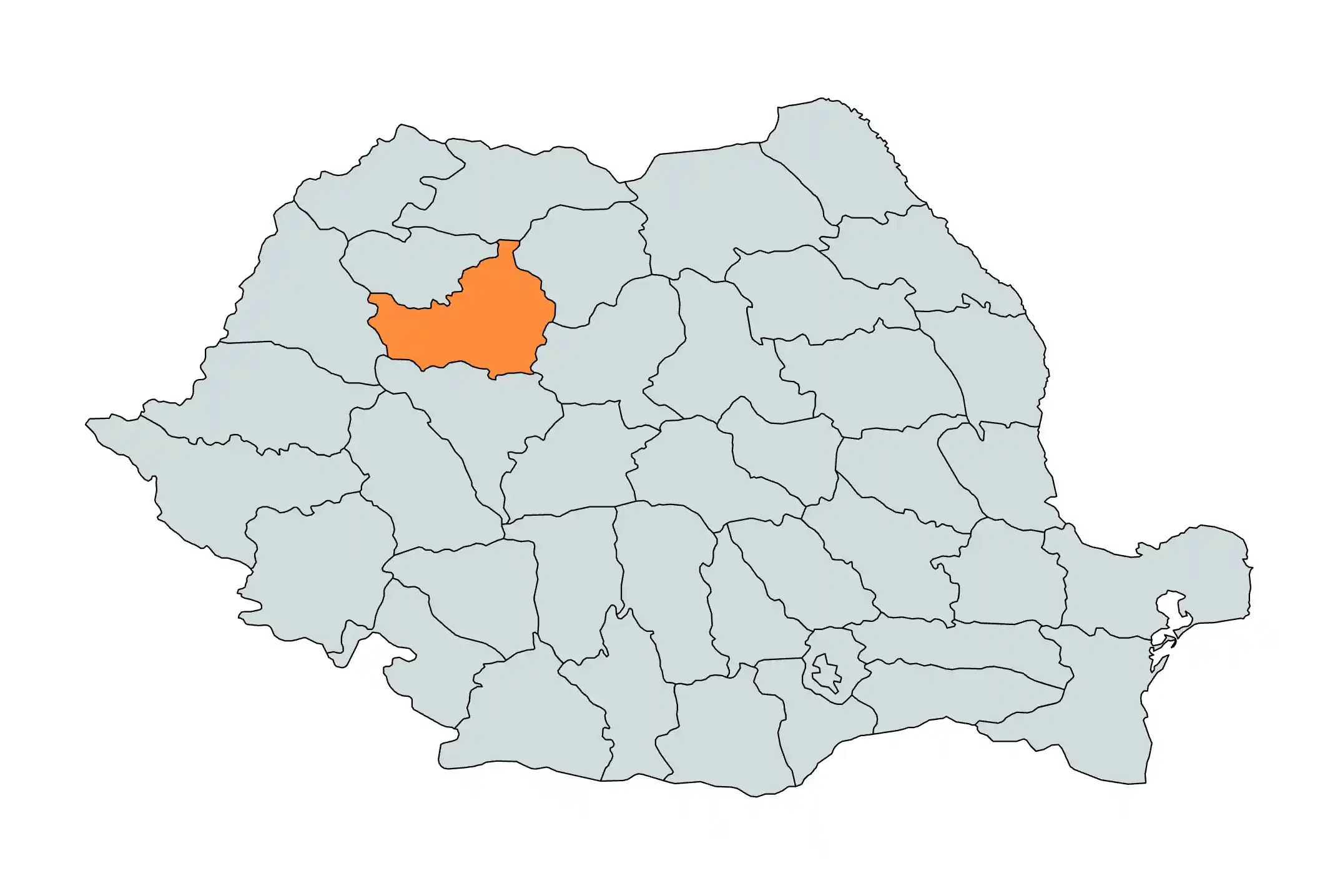
Cluj county is a mix of high-tech energy and ancient underground wonders that define the region. You can descend into Salina Turda, a giant salt mine that has been turned into an underground theme park with a Ferris wheel. The salt walls are dark and smooth with white stripes, making it look like a secret base from a science fiction movie. The echo in the giant halls is incredible and you can even take a boat ride on the dark lake at the very bottom. It is a cool retreat where the air is salty and incredibly fresh, perfect for a unique afternoon experience.
The city of Cluj-Napoca is full of young energy, gothic churches and a very active cafe scene. You find the Saint Michael Church in the main square, which is one of the most beautiful gothic buildings in the country. The city hosts famous music festivals like Untold that bring a global vibe to the old stone streets and public parks. The botanical garden is a world of rare flowers and quiet paths, offering a green escape in the heart of the urban buzz. It is a city that stays awake late and always has something new to discover in its hidden courtyards.
Brave the woods of Hoia Baciu on the edge of the city for a walk through what many call the most haunted forest in the world. Many people visit to look for strange lights or simply to enjoy the hiking trails that offer a view of the city valley. It is a great spot for a sunset walk if you like a bit of mystery mixed with your nature. The contrast between the modern city and the ancient, silent forest is a highlight of the county.
Cluj (county) highlights
- Salina Turda Descend into a futuristic underground world where a giant salt mine has been transformed into a theme park with a Ferris wheel and a lake. The air is remarkably pure and salty, offering a refreshing and healthy environment deep beneath the earth’s surface. You can rent a small boat to row across the dark, subterranean waters at the very bottom of the massive cavern.
- Turda Gorges Hike through a dramatic landscape where towering limestone walls rise nearly 200 meters above a rushing mountain stream. The narrow canyon path takes you across small bridges and through rocky tunnels that feel like a scene from an adventure movie. From the high ridges, you can look out over the entire Transylvanian plateau and see the winding roads below.
- Hoia Baciu Forest Wander into a woodland famous for its mysterious atmosphere and trees that grow in strange, twisted shapes. Known globally as a hub for unexplained events, the forest offers quiet trails that are perfect for those who enjoy a bit of local legend with their nature walk. It is a fascinating and leafy escape located just a short drive from the bustling energy of the county center.
- Beliș Lake Discover a high mountain reservoir surrounded by dense pine forests that hide a legendary sunken church beneath the deep blue surface. During very dry summers, the stone ruins of the old village church emerge from the water like a ghost from the past. The road hugging the shoreline is incredibly scenic and offers dozens of quiet spots for a forest picnic or a swim.
- Bride Veil Waterfall Marvel at a powerful cascade where the water spreads over a massive rock face to look exactly like a delicate white lace veil. This site is tucked away in the Vlădeasa Mountains and is easily reached via a short, shaded path through the cool forest. The spray from the falls fills the air with a fresh scent that makes it a favorite stop for summer road trippers.
- Bánffy Castle of Bonțida Explore the sprawling grounds of a noble estate once celebrated as the Versailles of Transylvania for its grand baroque architecture. The castle is currently being restored and serves as a major cultural hub, hosting world-famous music and art festivals. You can walk through the old statues in the park and feel the aristocratic history that still clings to the stone walls.
- Gilău Lake Pull over at this peaceful mountain lake located at the gateway to the Apuseni range for a lunch of fresh local trout. The road follows the water closely, providing constant views of the green hills and the small wooden cabins that dot the shoreline. it is a classic weekend destination that offers a relaxed atmosphere and beautiful reflections of the surrounding peaks.
- Rimetea Border Drive Navigate the high road leading toward the southern border for one of the most spectacular views of the Colții Trascăului rock formations. The road climbs steeply before dropping into a valley that looks like a slice of the Swiss Alps hidden in the heart of Romania. The sharp contrast between the white cliffs and the emerald green meadows makes this a mandatory photo stop.
- Blue Lagoon of Aghireșu Find a hidden turquoise lake formed in an old kaolin mine where the bright water contrasts beautifully with the white sandy banks. This local secret offers a tropical, Mediterranean vibe that is completely unexpected in the middle of the hilly countryside. The short walk to reach the water takes you through a quiet area of shrubs and wild berries far from any noise.
- Tarnița Dam Drive along a high, winding road that overlooks a massive concrete dam holding back a giant lake used for water sports and mountain living. The route features sharp turns and steep drops that provide a thrilling experience for anyone who loves an active and scenic drive. Several lookout points allow you to see the entire length of the lake as it snakes through the forested mountains.
The local Four
History of Cluj (county)
Cluj is a cultural titan and a layer cake of imperial history, originating as the Dacian settlement Napoca before becoming a Roman municipium in 106 AD. By the 14th century, it was one of the Siebenbürgen (seven Saxon citadels), and its centerpiece, St. Michael’s Church, was started in 1316 as a massive Gothic statement of power. The city was the birthplace of the Hungarian King Matthias Corvinus in 1443, and its old center still preserves the medieval layout of a fortified borough that once controlled the gates to central Transylvania.
Just south of the capital lies the Turda Salt Mine, a subterranean cathedral of salt where extraction began in the Roman era and peaked under the Habsburgs in the 1700s. The county is also home to the Bonțida Bánffy Castle, often called the Transylvanian Versailles, which was built over 100 years starting in 1668 and suffered dramatic damage during WWII. The landscape transitions from these aristocratic ruins to the jagged Turda Gorges, carved over millions of years by the Hășdate River into limestone walls that rise 200 meters high.
For a road trip, Cluj offers the perfect mix of high-speed urban energy and the silence of the Apuseni Mountains. You can drive to the village of Rimetea, where the white-washed houses and 19th-century iron-mining history earned it a Europa Nostra award, or explore the Beliș-Fântânele reservoir, which flooded a village in the 1970s. It left a church steeple that still emerges from the water during dry summers. Cluj is an intersection of Roman stone, Hungarian royalty and futuristic salt-mine engineering.