

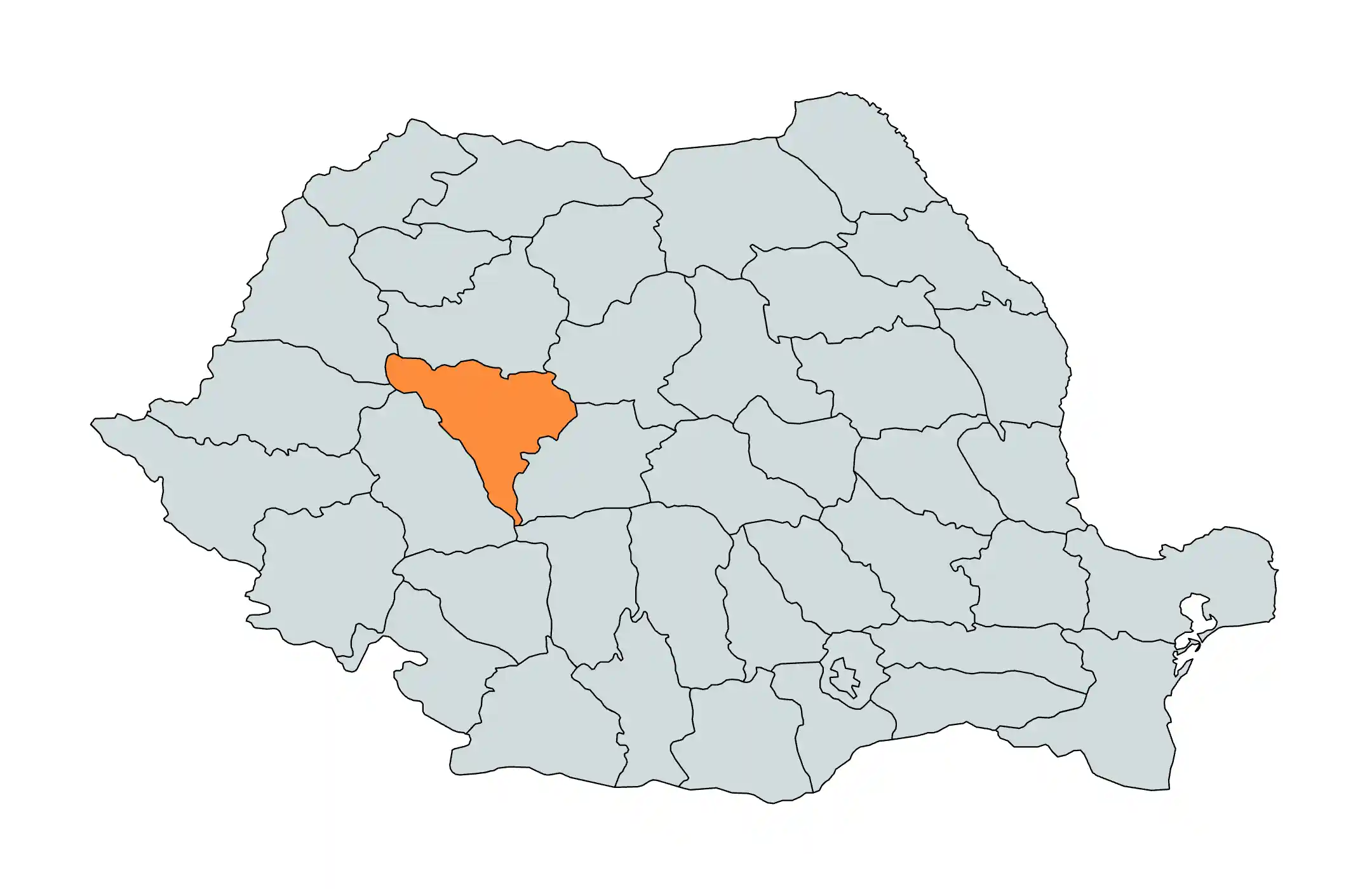
Alba county hosts a massive stone star that marks the heart of the nation. You stand in the center of the Alba Carolina citadel where seven miles of walls guard royal history. The white stone gates look like they belong in a movie. Every day at noon, soldiers in 18th-century uniforms perform a guard change with real horses and black powder cannons. You can walk the entire perimeter on top of the walls to see the Roman ruins buried beneath the newer stone.
Leave the city to find the wild peaks of the Apuseni mountains. The road twists toward the village of Rimetea, where white houses with green shutters sit under a giant rock wall. This village is so deep in the valley that locals say the sun rises twice. You find ancient gold mines at Roșia Montană that were once the treasure of the Roman world. The deep valleys offer a quiet escape where you can find the Living Fire of the earth.
This is the ultimate start for a history road trip. The paths are smooth and easy to follow as you head toward the Scărișoara Ice Cave. Inside a massive block of ice has stayed frozen for thousands of years deep underground. You can stop at a village to see local wood carvers making traditional tulnic horns. The mix of grand fortresses and simple mountain life is truly special. Grab a map and start your trek through time.
Alba (county) highlights
- Alba Carolina Citadel Roam through the massive stone gates of this star shaped fortress to witness centuries of royal history coming to life. Every day at noon, the guard change ceremony fills the air with the sound of black powder cannons and the clip-clop of horses. The vast gardens and hidden tunnels within the walls offer endless paths for a curious traveler to explore.
- Rimetea Village Nestled directly beneath a towering limestone cliff, this white village is famous for a unique sun that appears to rise twice. The pristine white houses with green shutters have remained unchanged for generations, creating a peaceful valley frozen in time. It is a stunning stop for photographers who want to capture the sharp contrast between stone and sky.
- Scărișoara Ice Cave Descend into a cool, dark underworld where a massive block of ice has remained frozen for thousands of years. Metal stairs lead you deep into the heart of the mountain to see nature’s own underground refrigerator in action. Even in the height of summer, the air here stays crisp and frosty, providing a surreal mountain experience.
- Roșia Montană Mines Explore the golden heart of the Apuseni mountains by walking through miles of tunnels first carved by Roman engineers. You can touch the tool marks on the rock and see how ancient treasure hunters searched for wealth deep within the earth. The surrounding hills are full of quiet charm and offer winding roads that pass by old wooden churches.
- Râmeț Gorges Navigate a rugged landscape where a crystal clear stream has sliced a narrow gap through towering limestone walls. The drive to the entrance is scenic, but the true adventure begins when you hike into the tightest parts of the canyon. It is a wild and untouched spot where the raw power of water and stone takes center stage.
- Transalpina Road Section Climb above the level of the clouds on the southern edge of the county where the highest road in the land begins. Every hairpin turn reveals a fresh, panoramic view of alpine meadows and deep green spruce forests. This is a must for any driver who craves the thin, pure air of the high peaks and the thrill of the open road.
- The Living Fire Witness a rare natural wonder near Luncani where gas escaping the earth creates small, dancing flames on the bare ground. This magical site is best visited as the sun begins to set, making the glow of the earth feel even more mysterious. It is a local secret that perfectly captures the wild and unpredictable energy of the Carpathian mountains.
- Calcarele de la Ampoița Marvel at massive white limestone blocks that rise suddenly from the rolling green hills like the teeth of a giant. A quick scramble to the top of these rocks rewards you with a wide, 360 degree view of the entire peaceful valley. The sharp white stone against the lush grass creates a striking scene that looks like a painting.
- Câlnic Fortress Step inside a sturdy stone castle that served as a safe haven for local villagers during times of ancient war. Unlike the crowded tourist hubs, this quiet UNESCO site offers a peaceful look at medieval defense and simple village life. You can climb the old wooden stairs and look out over the red-tiled roofs of the surrounding town.
- Oașa Lake Stop for a quiet moment at this high mountain reservoir where the still blue water perfectly reflects the dark pine forests. The road hugging the shore is smooth and scenic, offering plenty of spots to pull over for a forest picnic. It is a serene destination where the only sound is the wind moving through the high altitude trees.
The local Four
History of Alba (county)
Alba serves as the sacred heart of Romanian unity and a treasure chest of Roman gold. Long before the white stone citadel rose in the valley the Roman Empire established Apulum as its largest administrative center to guard the nearby mines of Roșia Montană. These tunnels provided the gold that funded the building of Trajan's Forum in Rome and remain the oldest industrial sites in the country. The region later became the stage for the first union of the three Romanian principalities in 1600 under Michael the Brave.
The county is defined by the Alba Carolina Fortress which features a unique star shaped design and seven monumental gates. Walking the brick moats today places you exactly where the final act of the Great Union took place in 1918 following the collapse of the Austro Hungarian Empire. The walls still bear the scars of medieval sieges and the heavy bronze bells of the Coronation Cathedral echo across the same stones where kings were crowned. It is a land of massive historical weight where every gate marks a different century of struggle.
Road trippers should navigate the high plateau of the Apuseni Mountains to find the Moți villages where ancient wooden traditions survive. The steep hills are home to the Horea oak tree where the 1784 peasant revolt began against imperial taxes. You can drive through the dramatic limestone gorge of Râmeț to reach monasteries that served as secret schools during times of religious ban. Alba is a deep dive into the identity of a nation built on gold and iron.