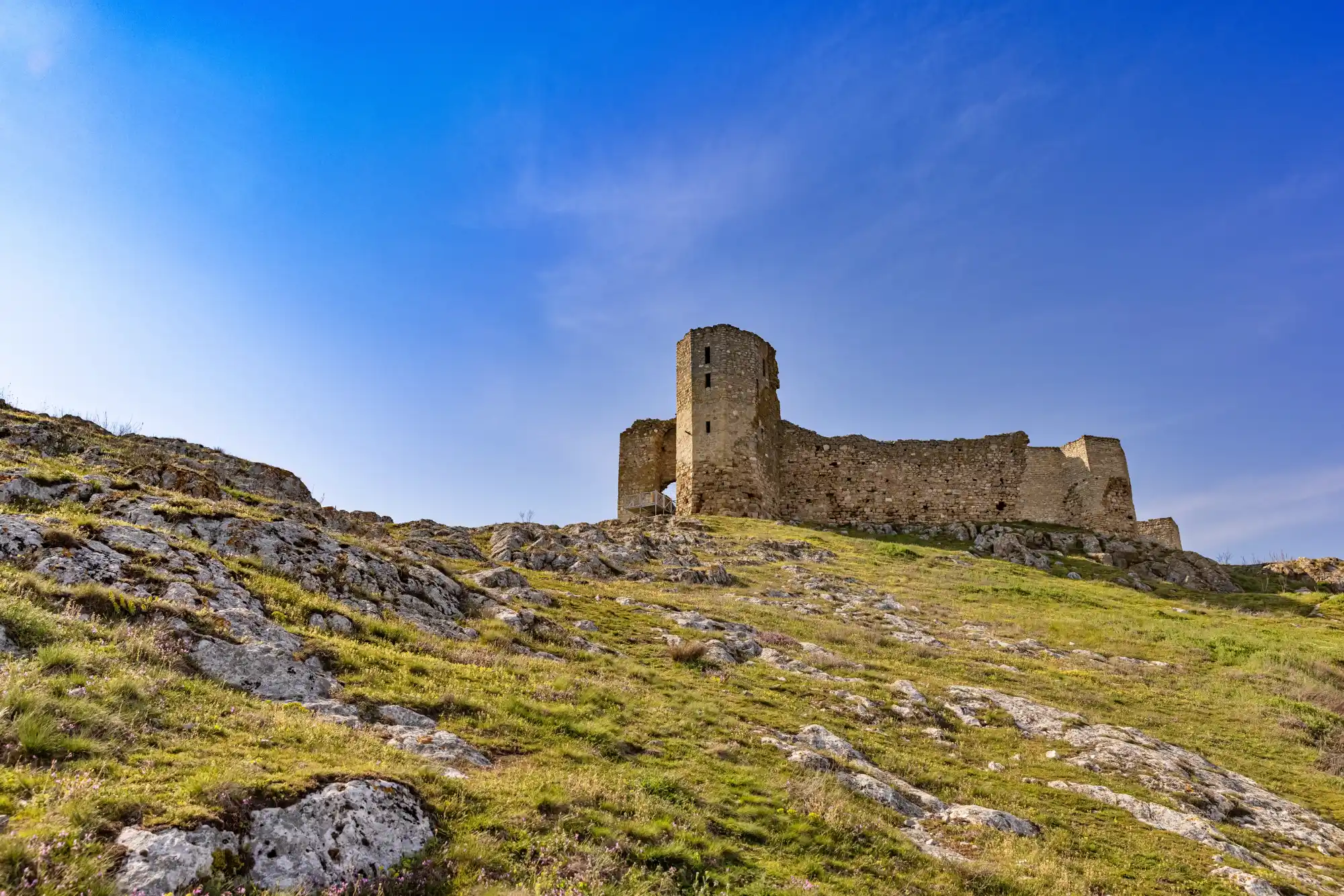
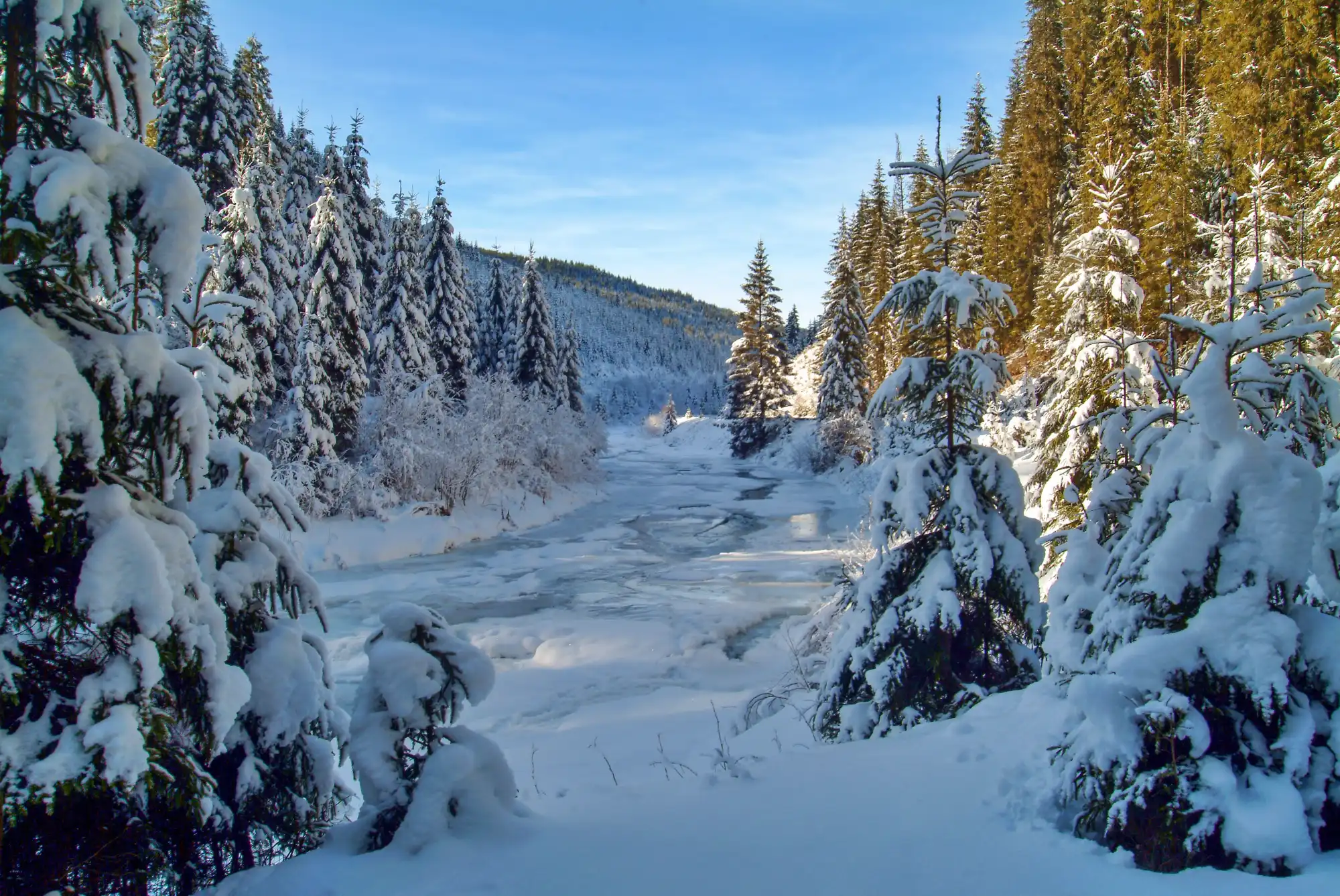
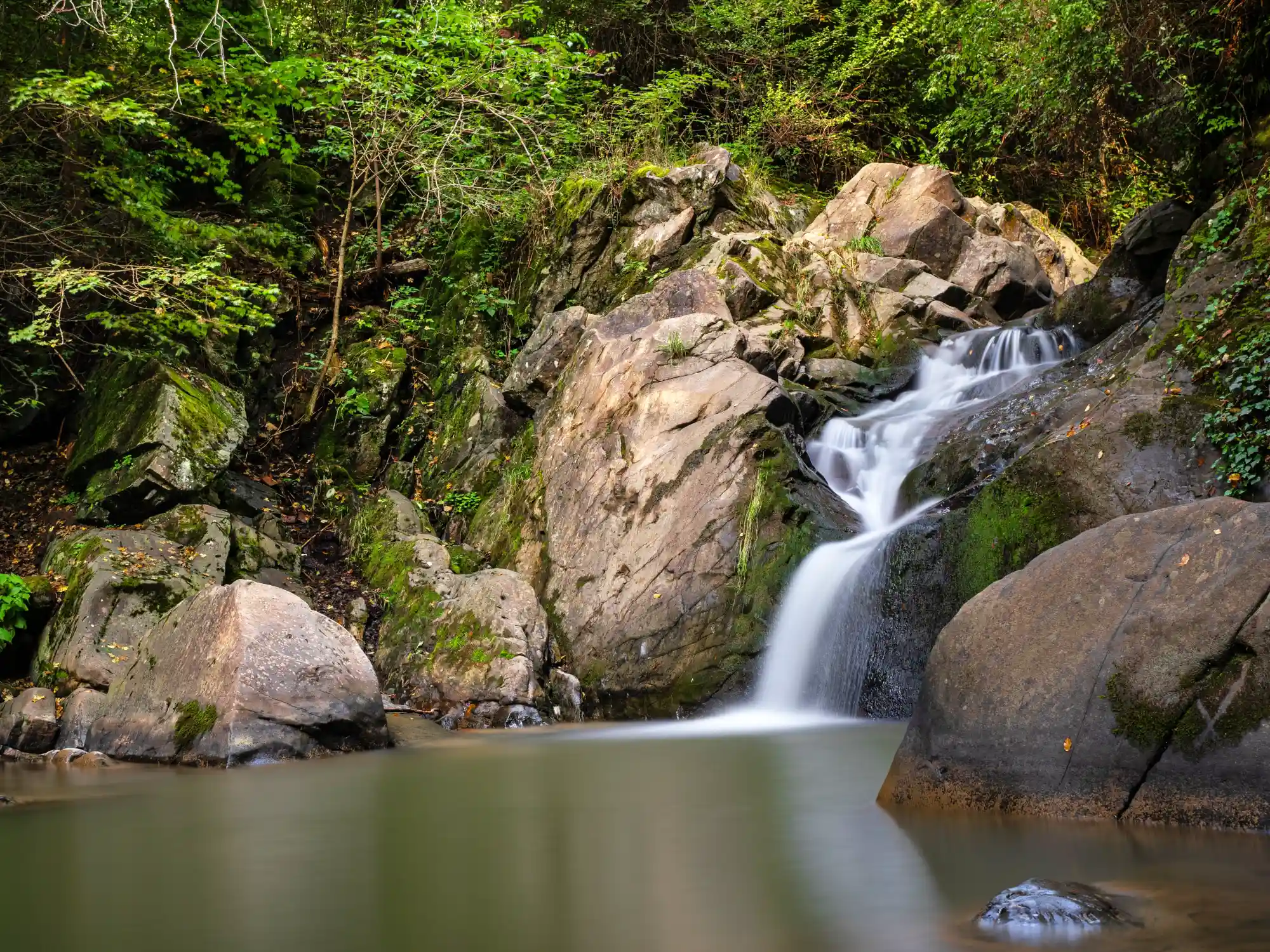
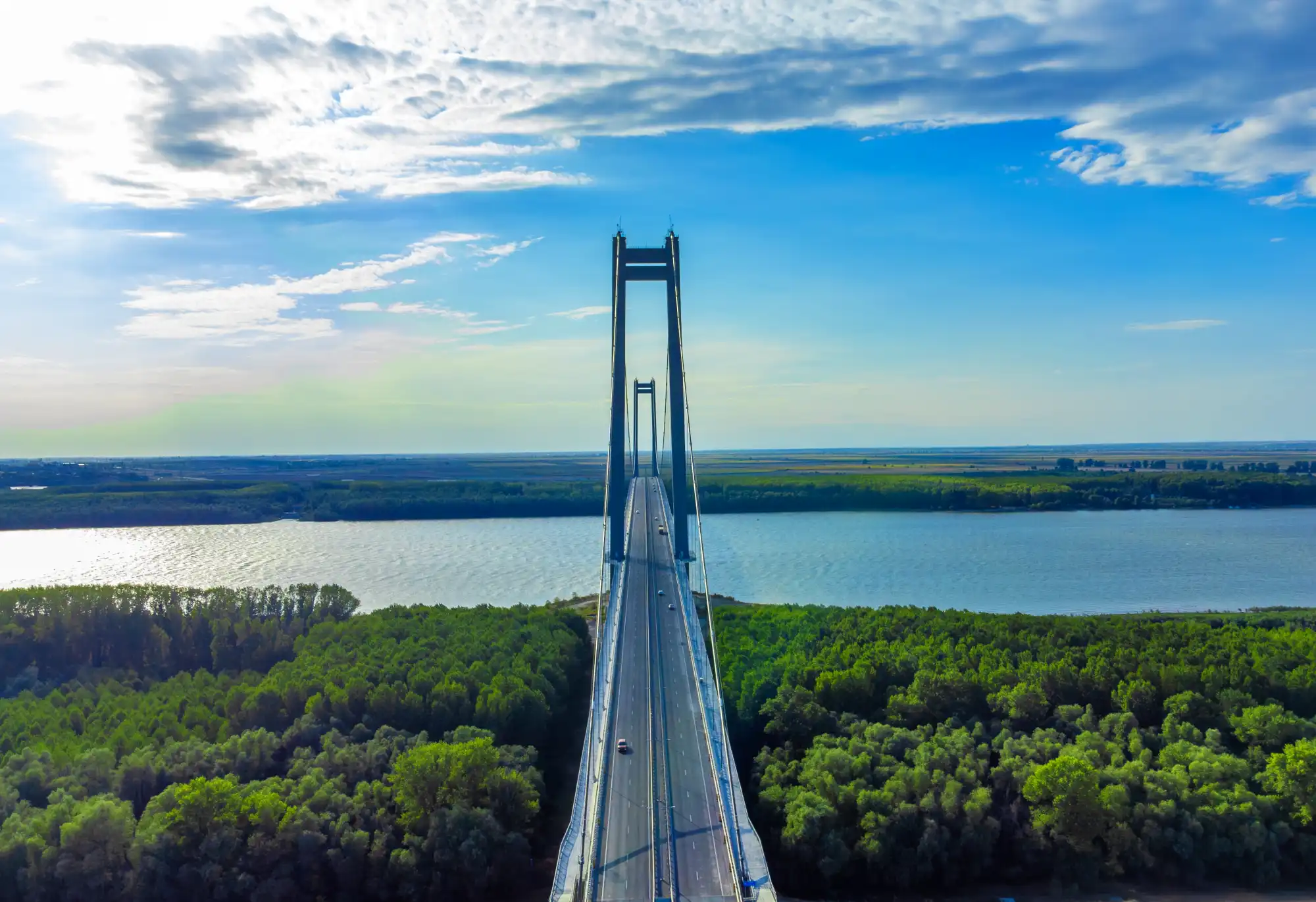
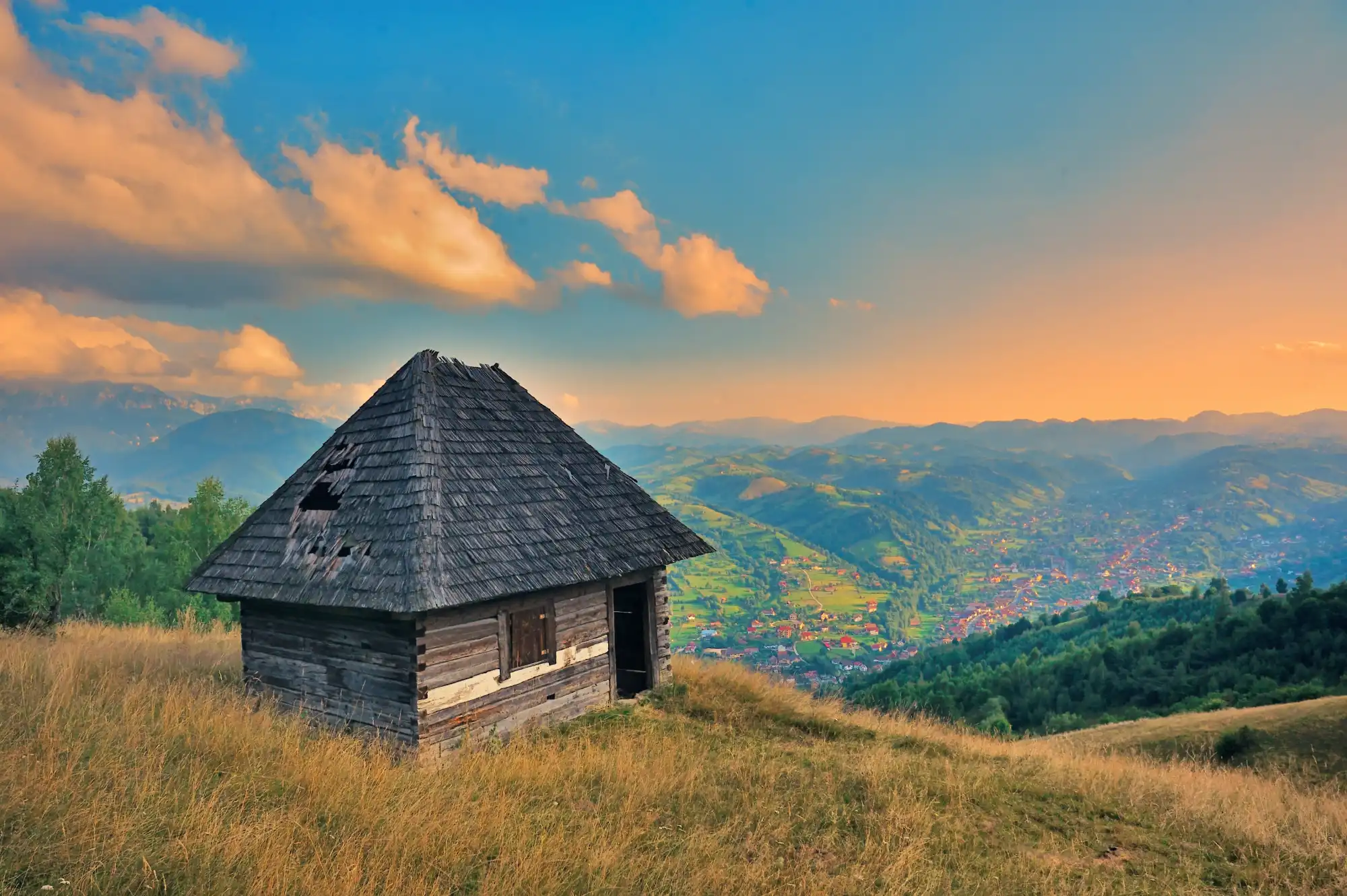
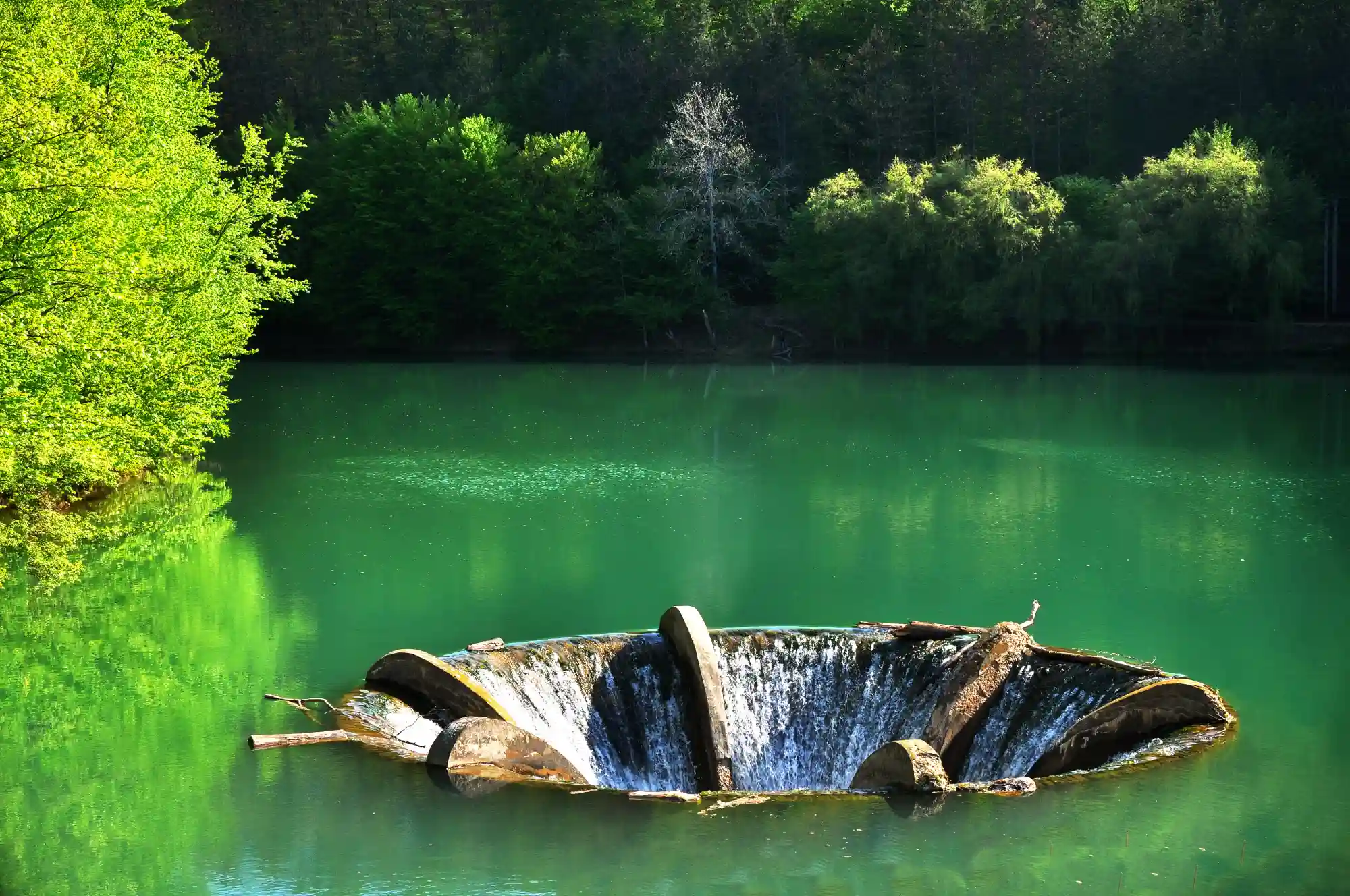
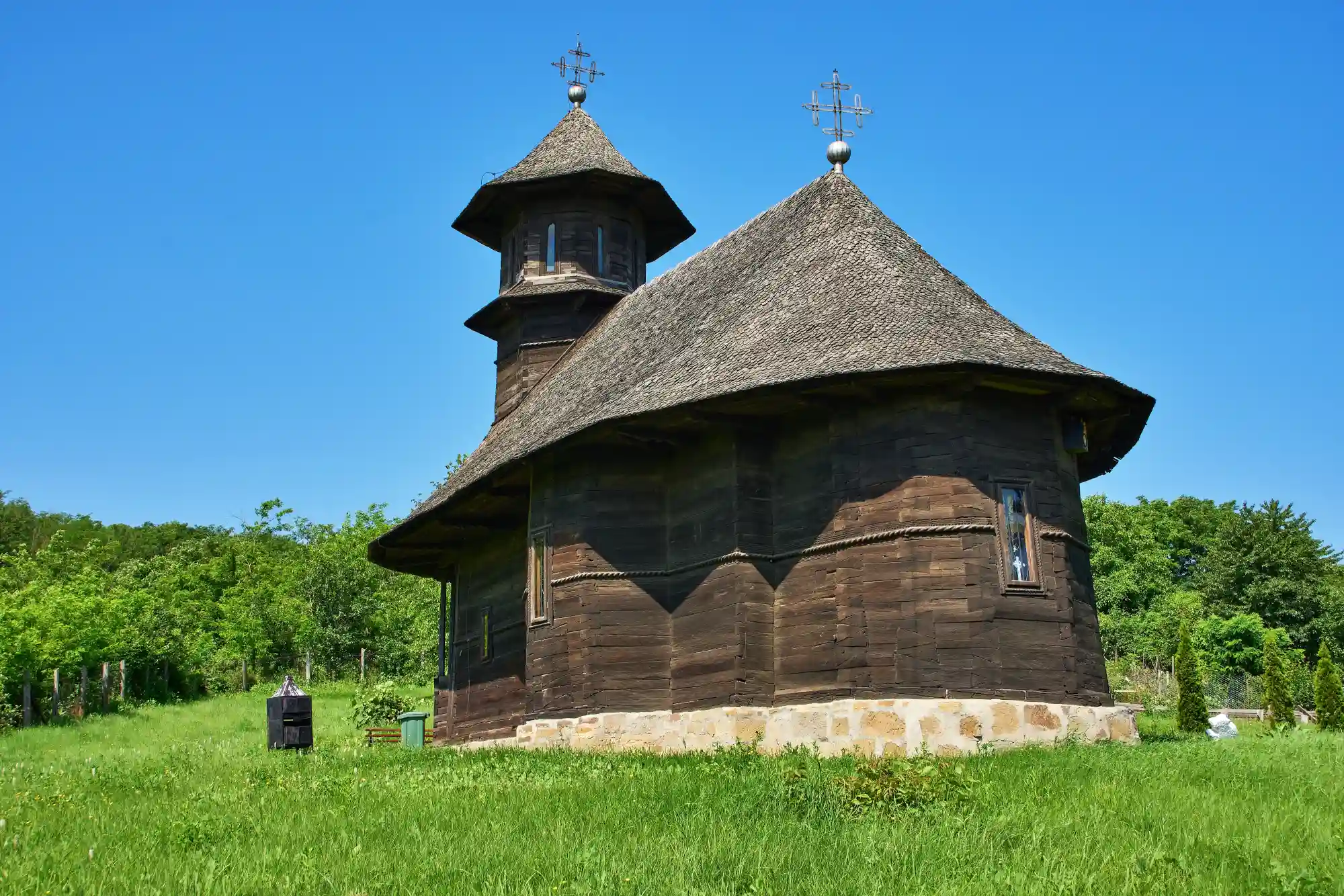
Romania is a land of contrasts, where the Carpathian Mountains rise above dense forests and the Danube winds through wide plains. Towering cliffs, glacial valleys and hidden waterfalls create landscapes perfect for hiking, driving or simply pausing to take in the view. The hills in Transylvania are filled with vineyards, traditional farms and fortified churches that have stood for centuries.
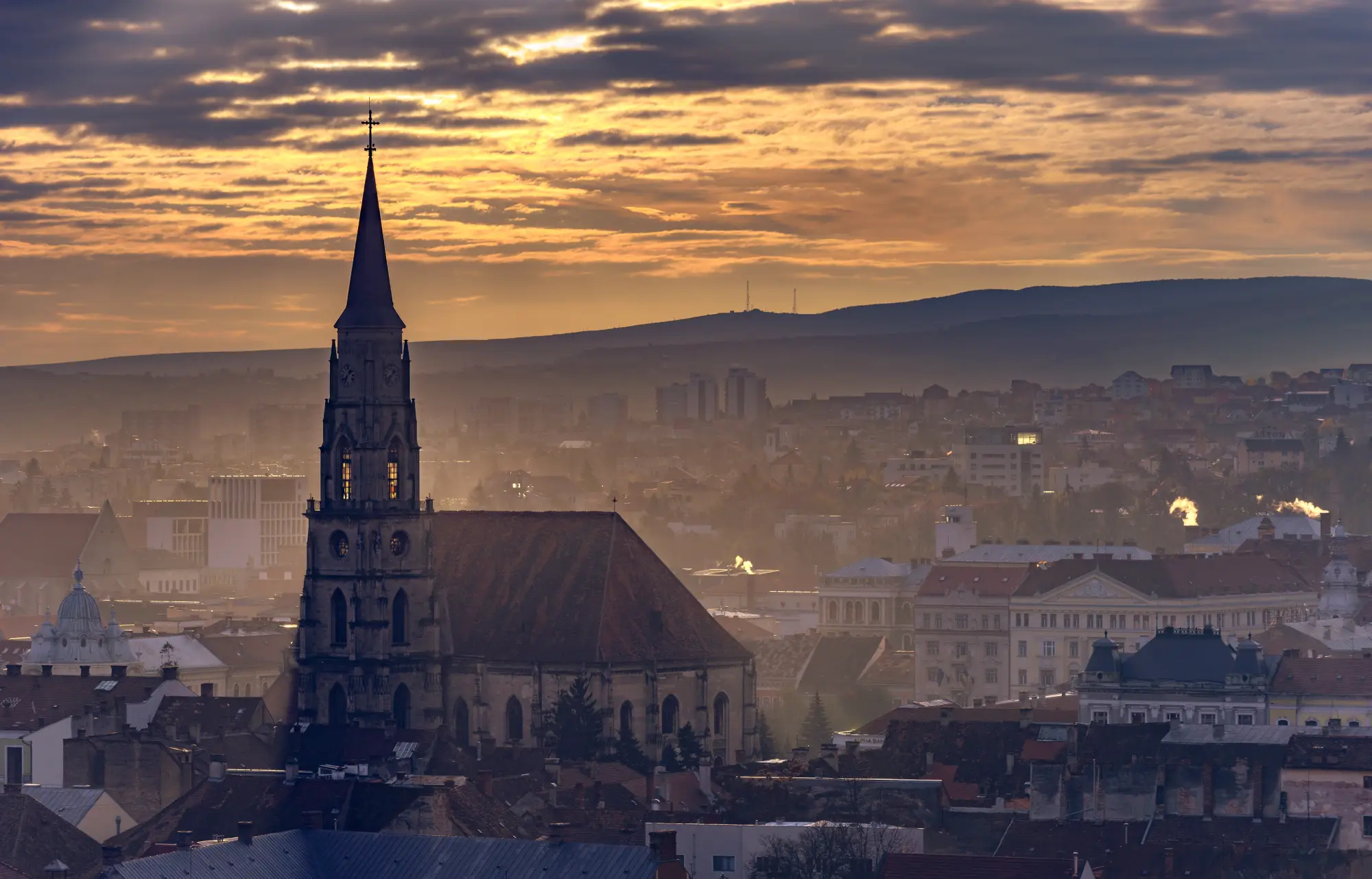
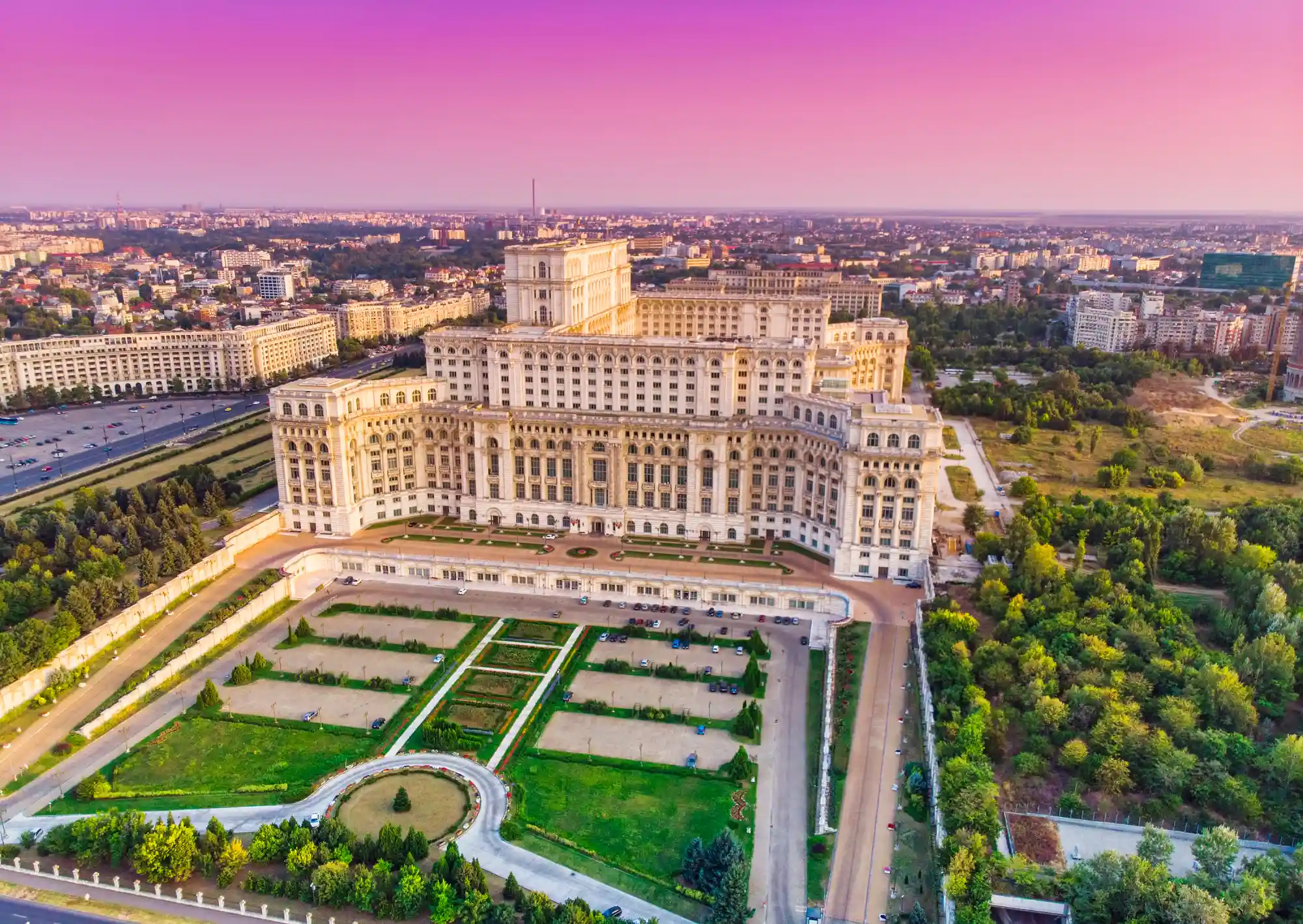
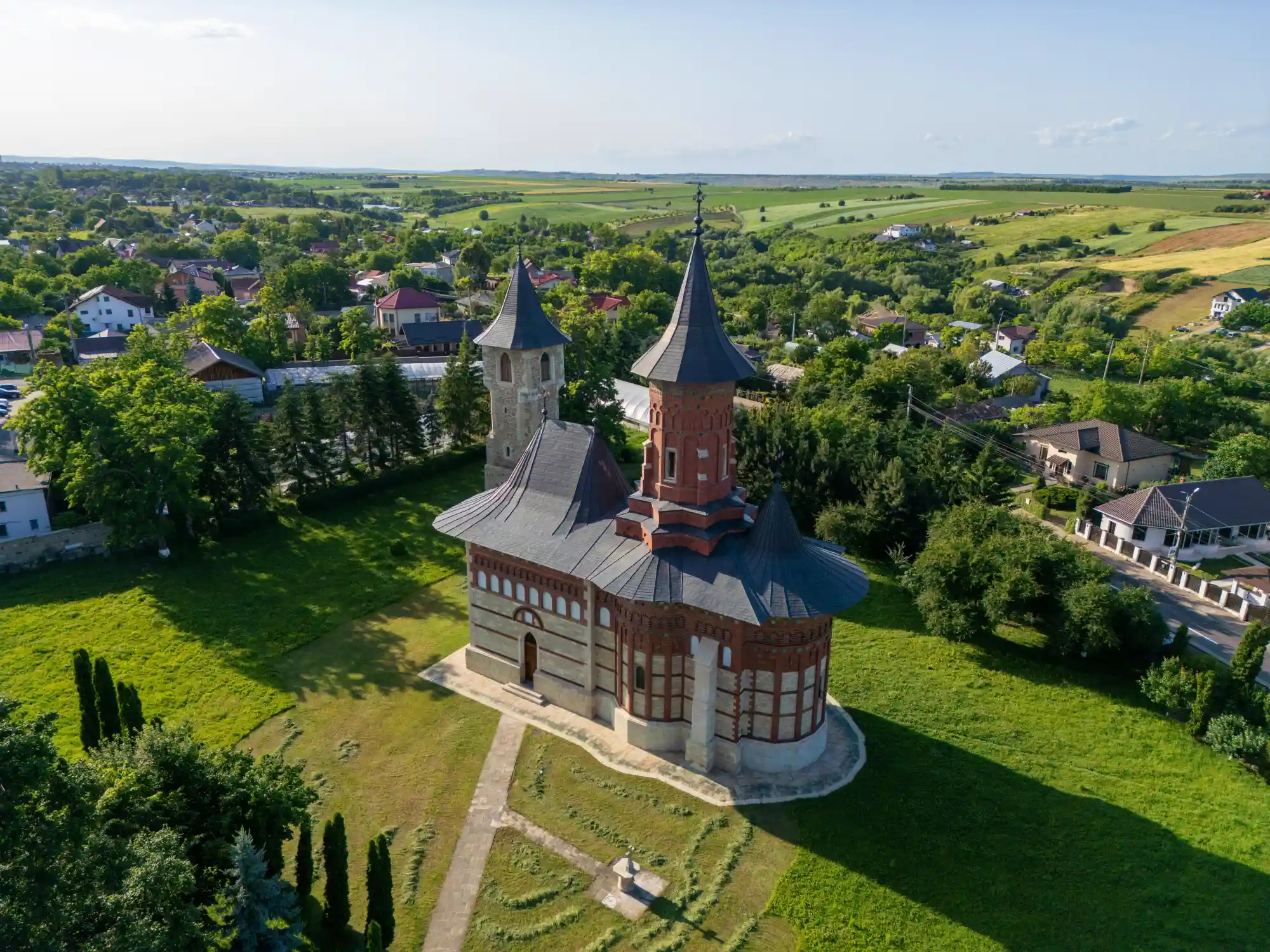
Bucharest, the capital, is a city of surprises. Grand boulevards and neoclassical buildings mix with lively markets, cafés and modern street art. Elsewhere, towns like Sibiu, Brasov, Cluj and Sighisoara showcase colorful squares surrounded by Gothic and baroque architecture. Medieval castles, including Bran Castle rise on hillsides while monasteries in Maramureș and Bucovina preserve centuries-old frescoes and spiritual traditions.
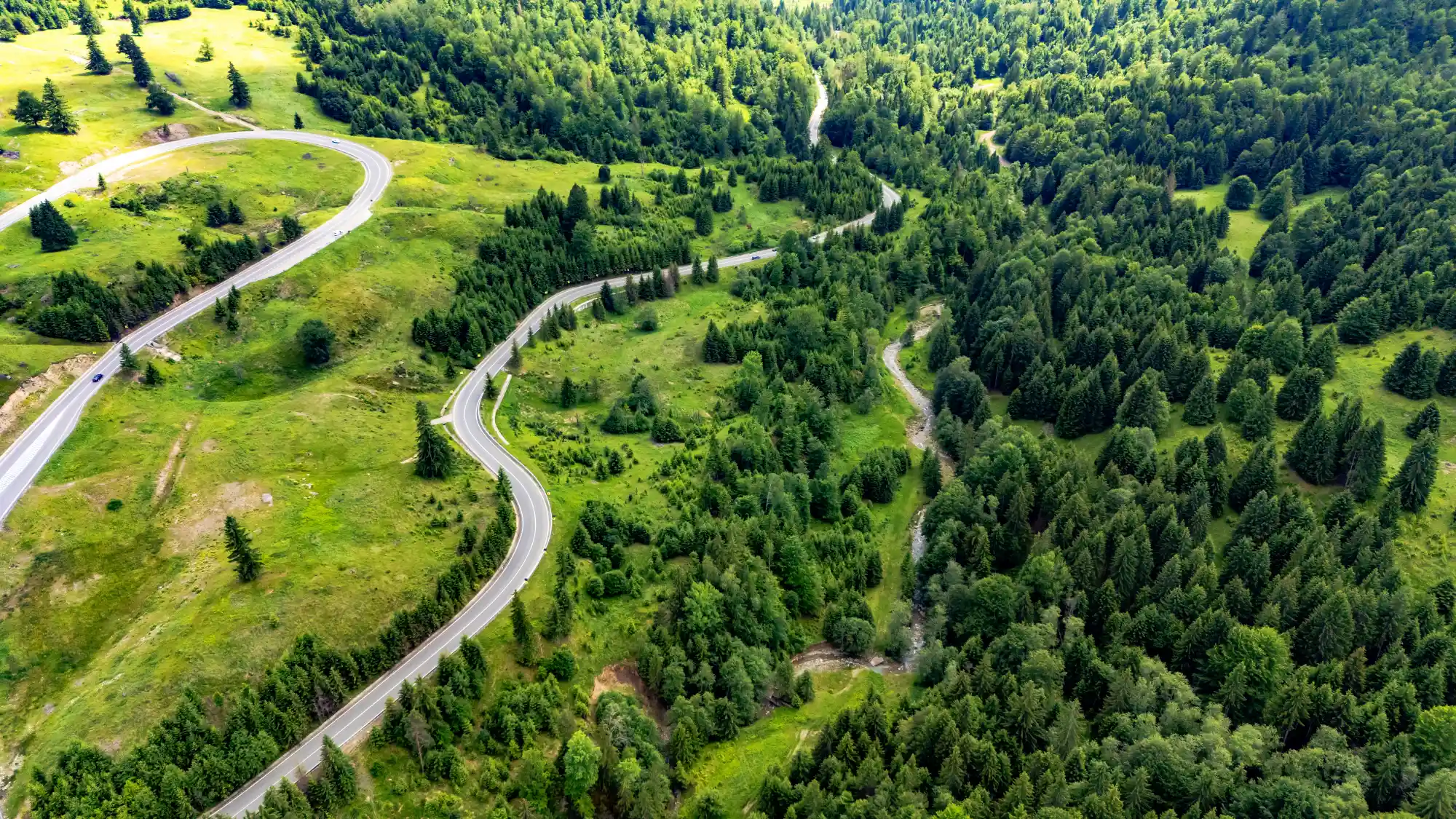
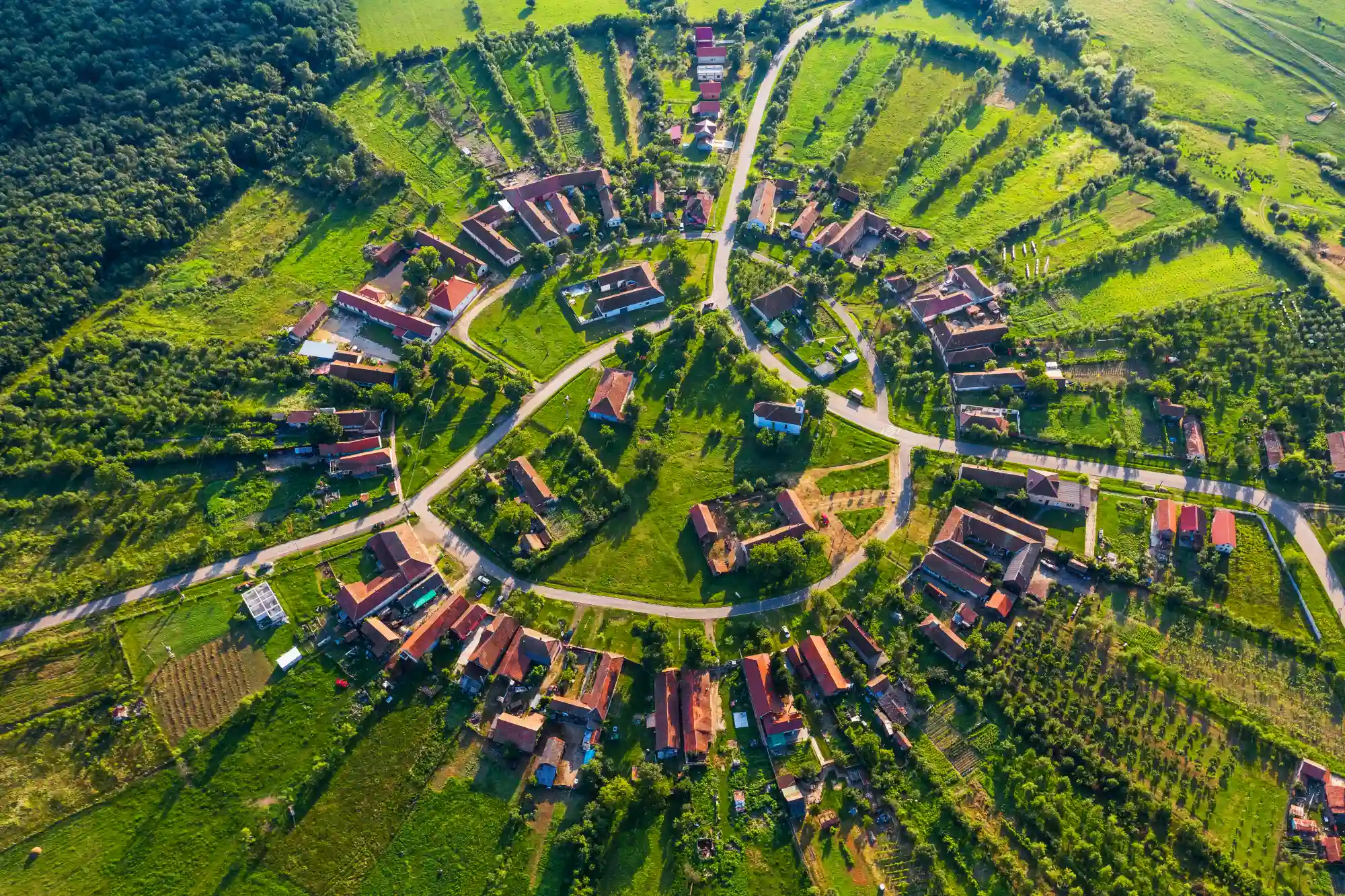
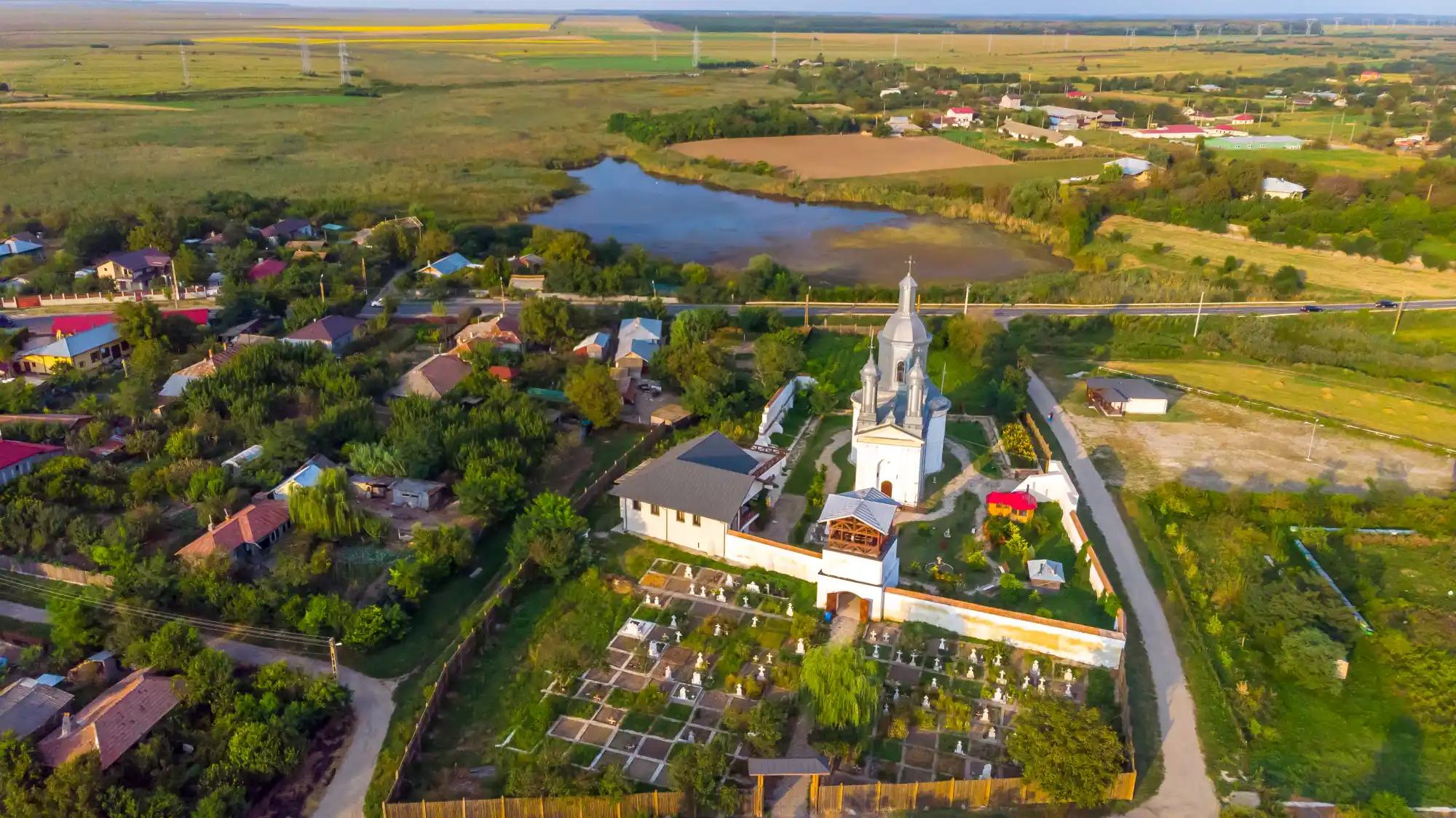
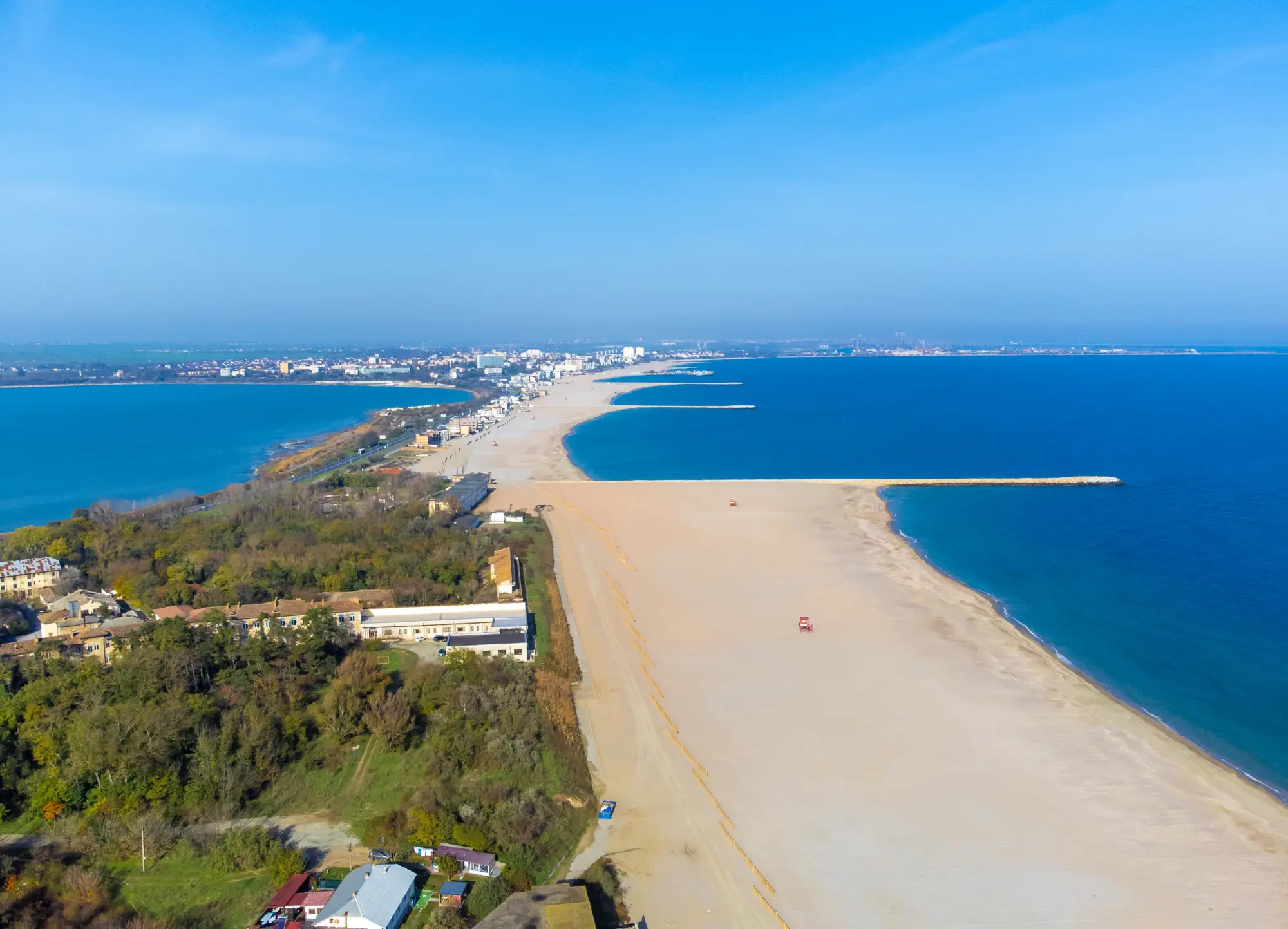
Romania’s countryside is just as captivating. River valleys, vineyards and villages provide a glimpse of traditional life. The Black Sea coast offers sandy beaches and charming towns. The winding mountain roads connect villages, forests and highland pastures.
From dramatic natural scenery to rich cultural heritage, Romania offers a mix of adventure, history, and charm. Each journey along its roads reveals hidden corners, surprising landscapes and welcoming communities that make traveling through this Eastern European gem unforgettable.
Dracula Bran Castle in Transylvania is famously linked to Vlad the Impaler, the real-life inspiration for Dracula. You can explore the castle’s winding staircases, hidden passages and medieval rooms while imagining the legends that surround it.
Europe’s Yellowstone The Danube Delta and the Carpathian Mountains are often called Europe’s Yellowstone. Also known as Europe's last real wilderness. Hundreds of bird species, wild horses, beavers and even wolves inhabit this vast wilderness. It's a paradise for nature lovers.
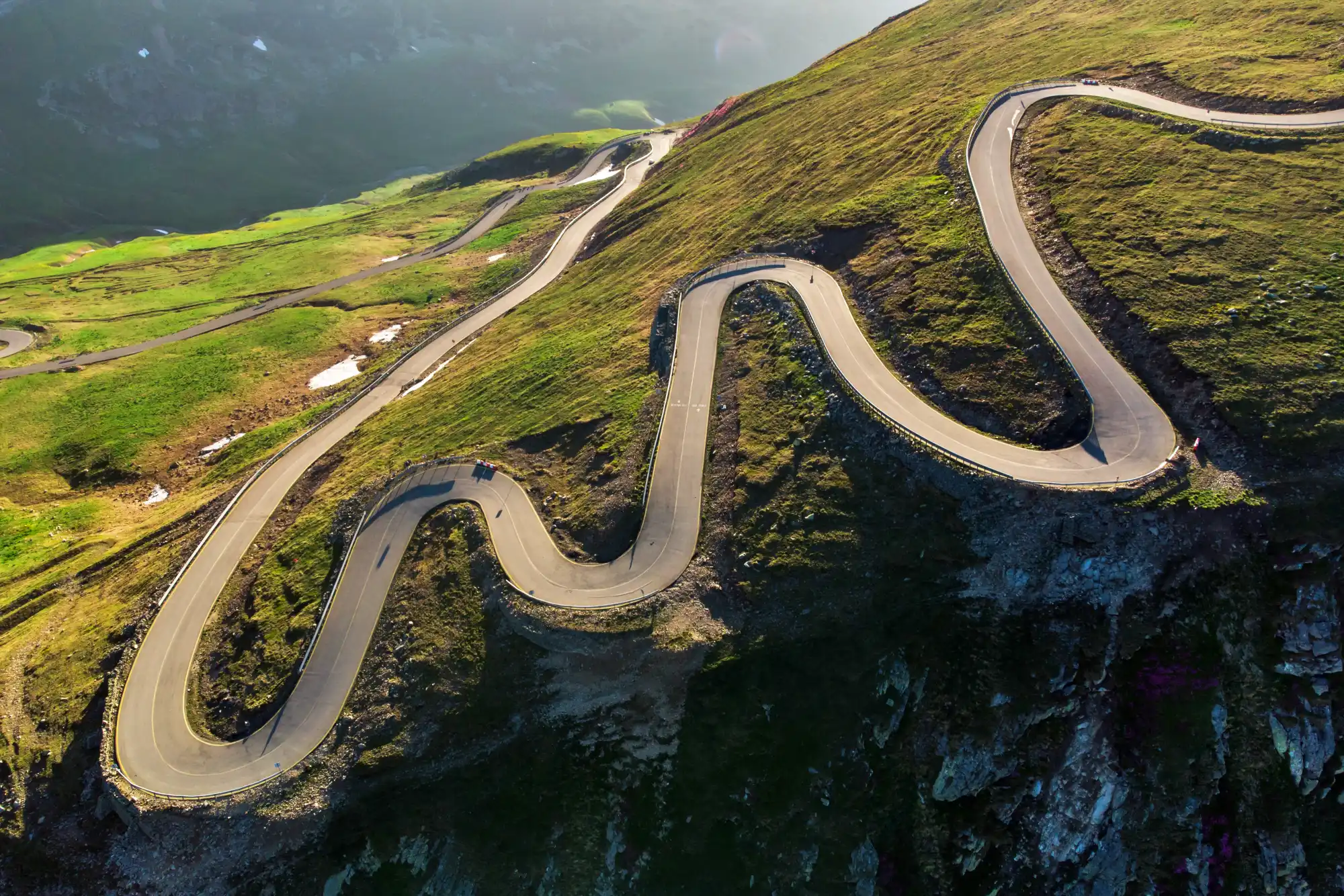
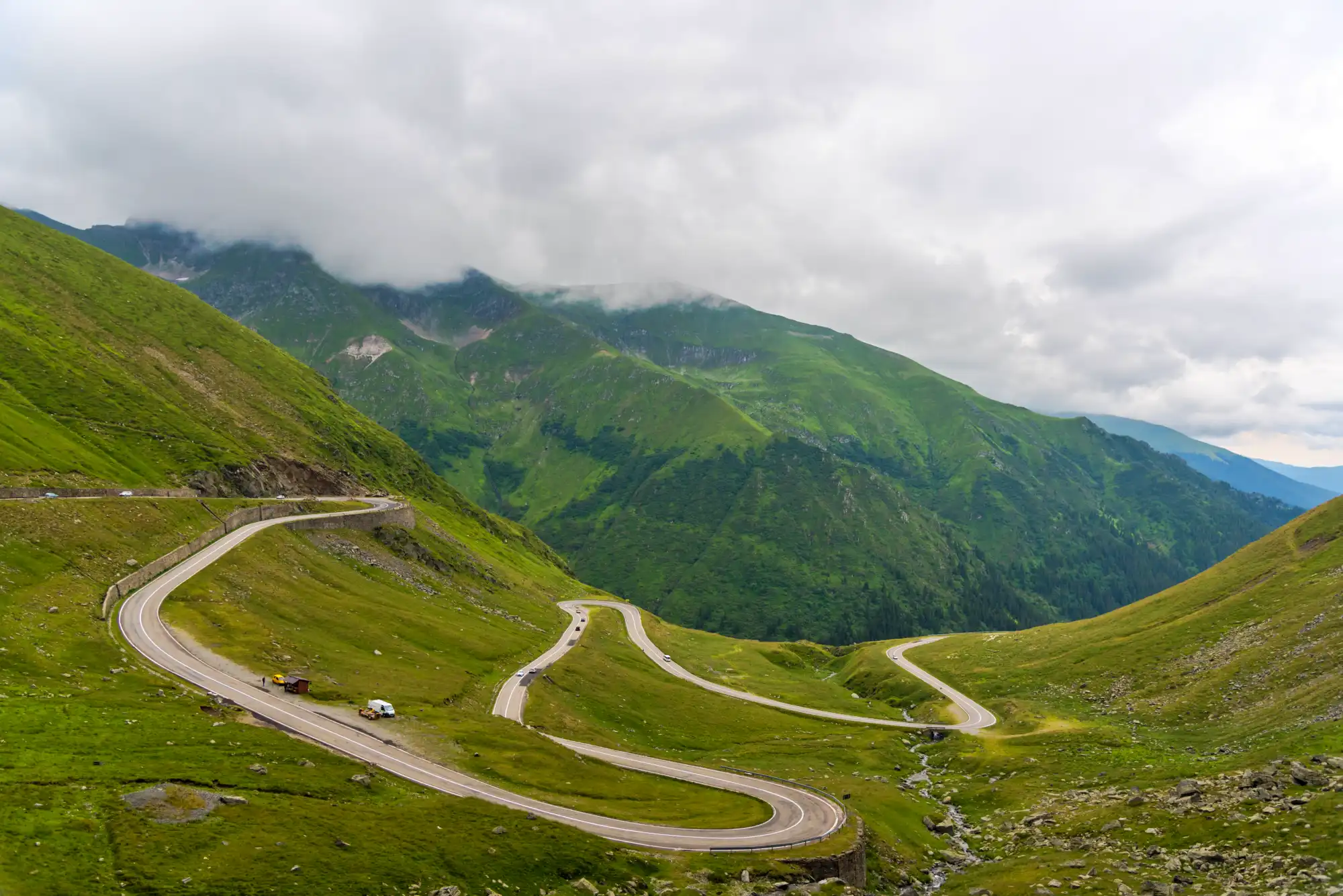
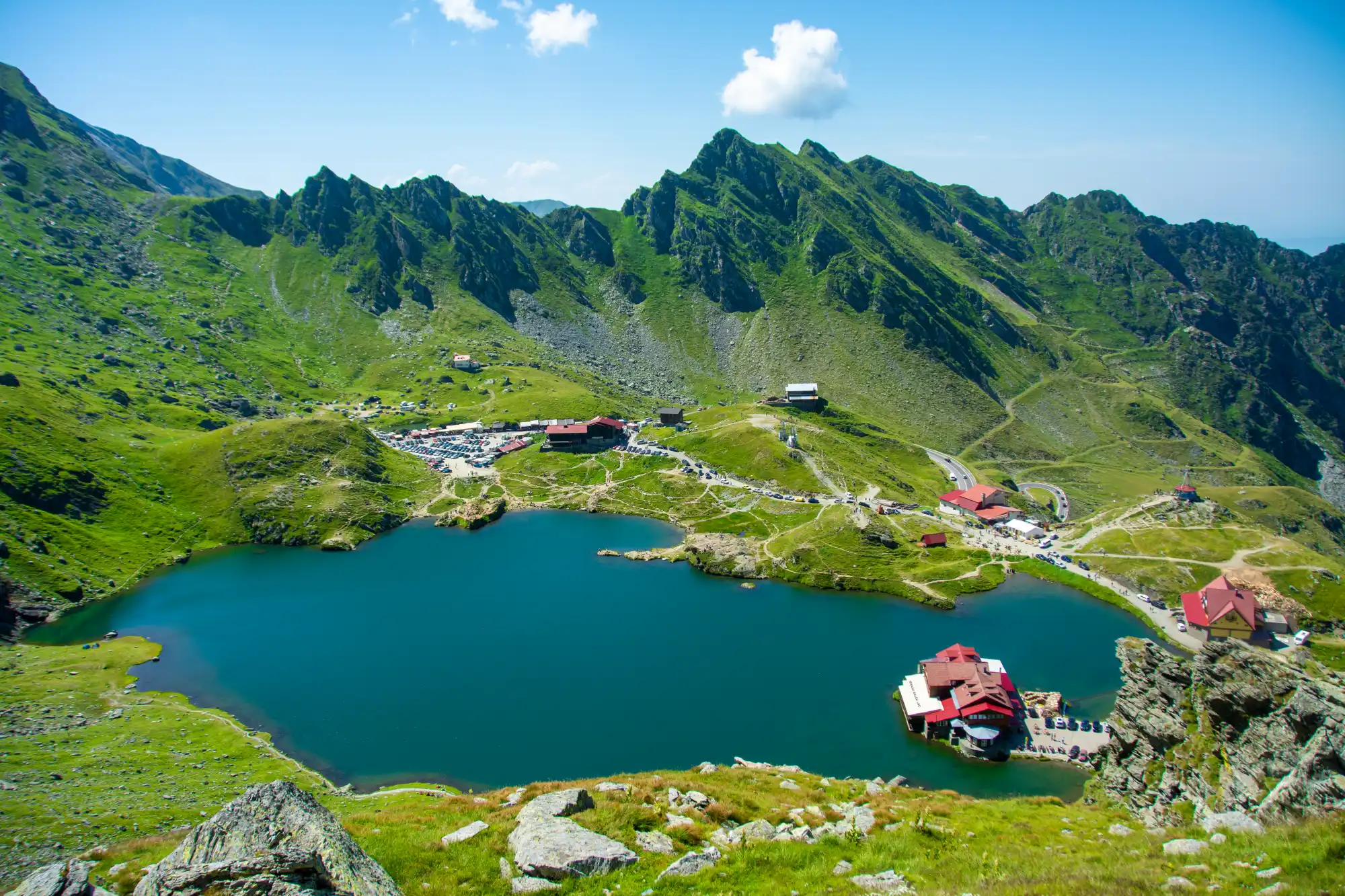
World's top scenic drive The Transfăgărășan road (DN7C) is one of the world’s most scenic drives, crossing the Făgăraș Mountains with dramatic hairpin turns, tunnels and steep cliffs. Built in the 1970s as a strategic military route, it now attracts road trip adventurers seeking breathtaking views of alpine peaks.
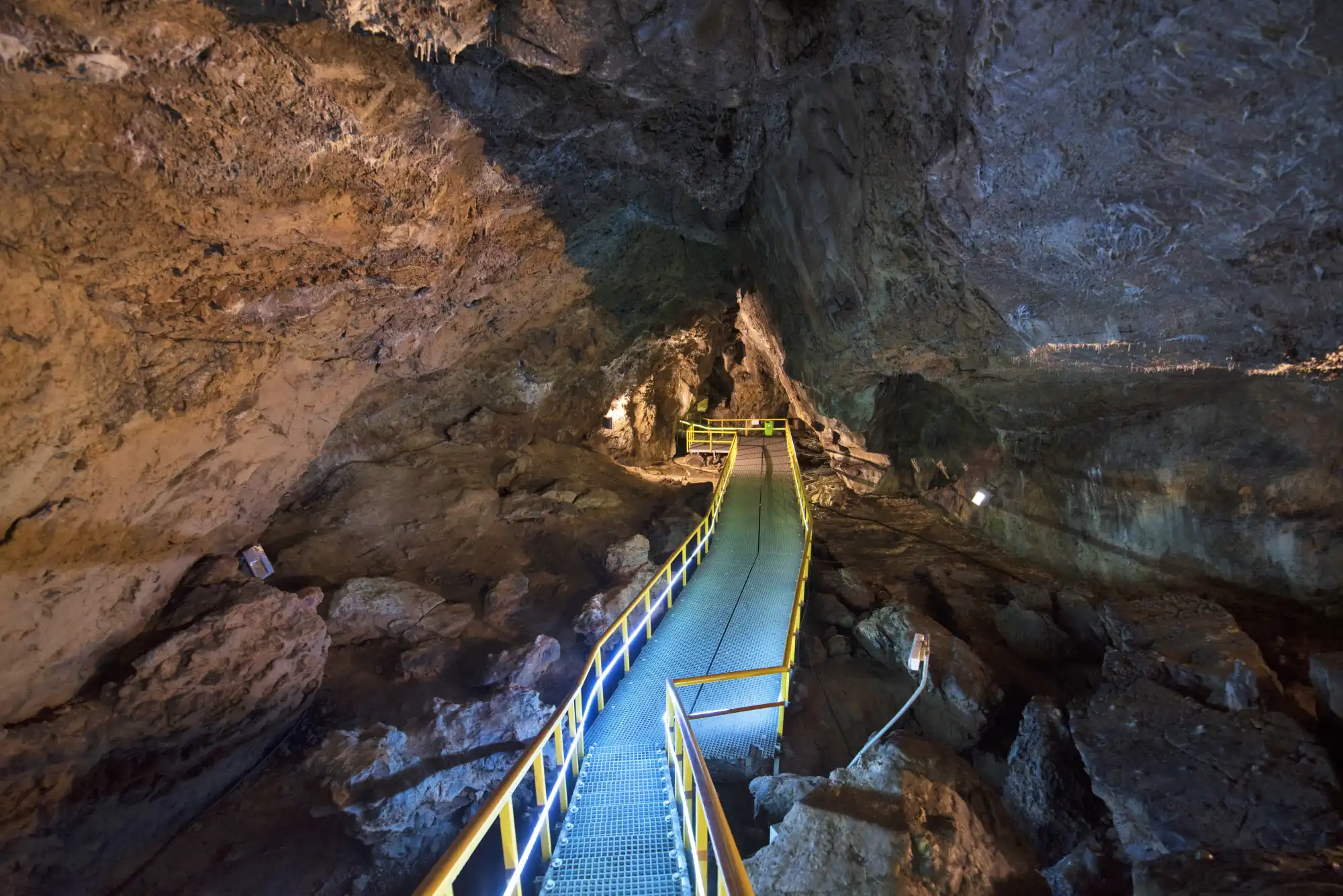
Largest underground salt mine The Turda Salt Mine doubles as a subterranean amusement park. It has been in use since Roman times. It features an underground lake where you can row boats, a ferris wheel and mini golf. offering a surreal experience deep underground.
Explore the regions
Tulcea
Swap your car for a boat to enter the bird filled labyrinth of the Danube Delta, the wildest wetland on the continent
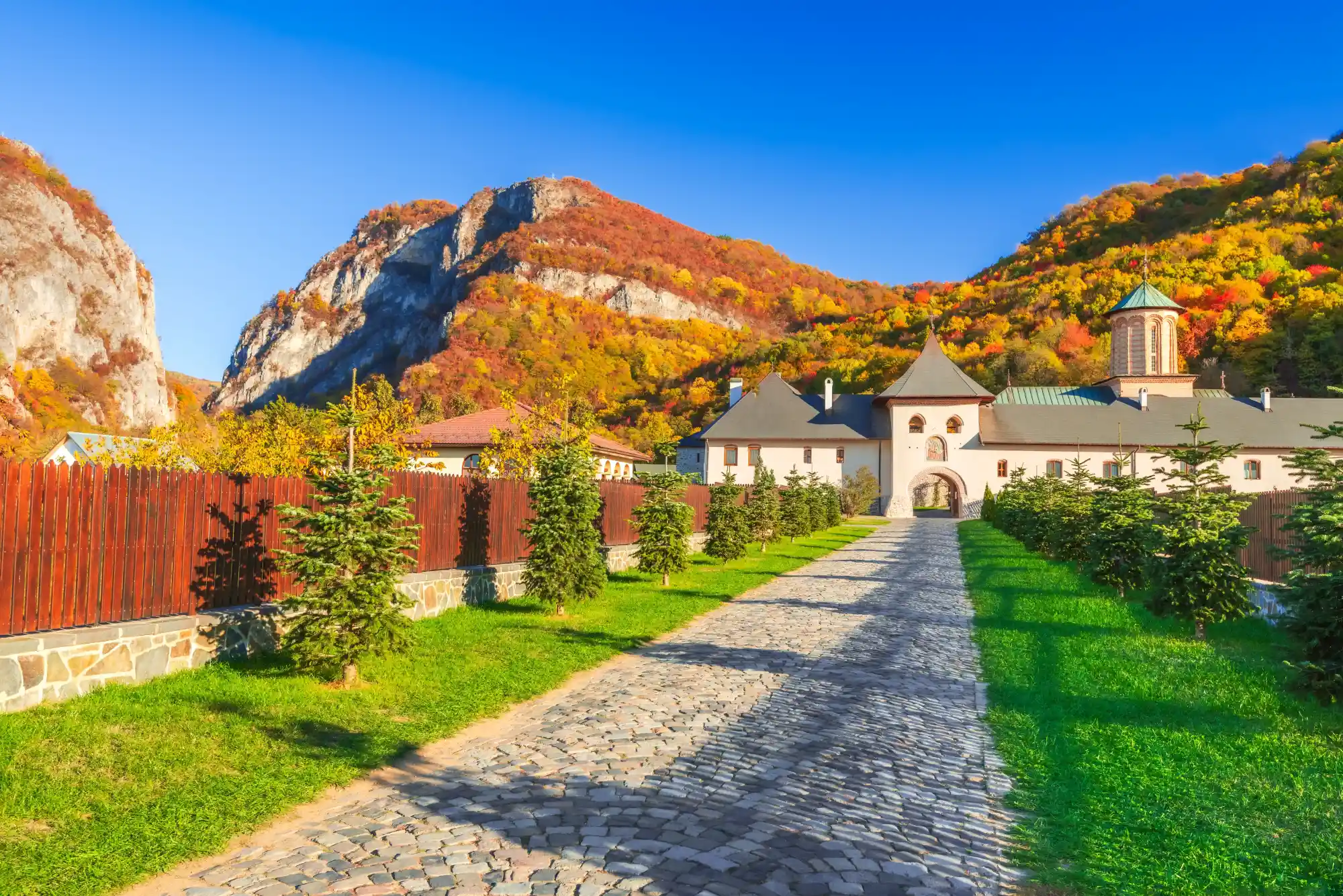
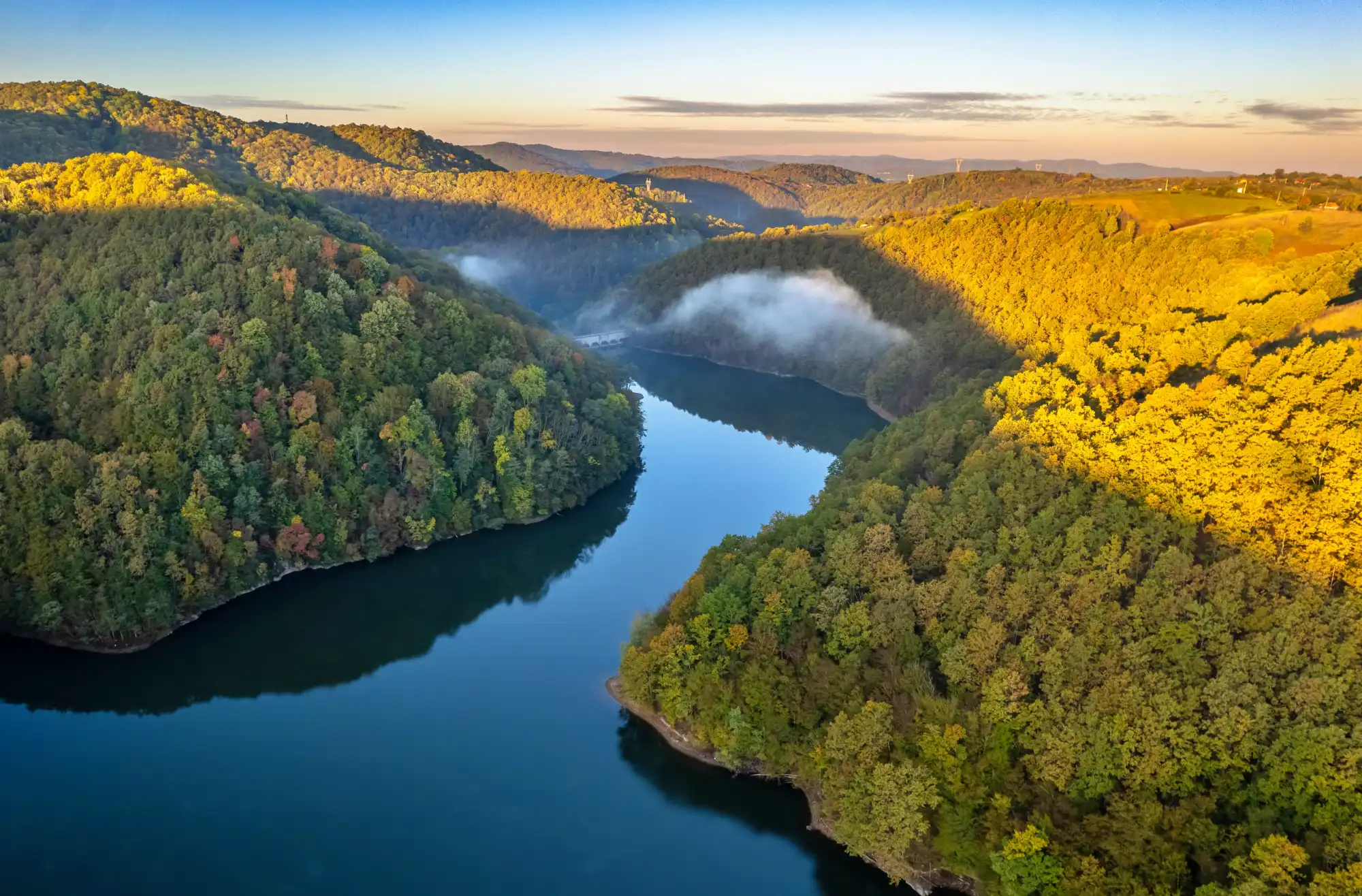
Vâlcea
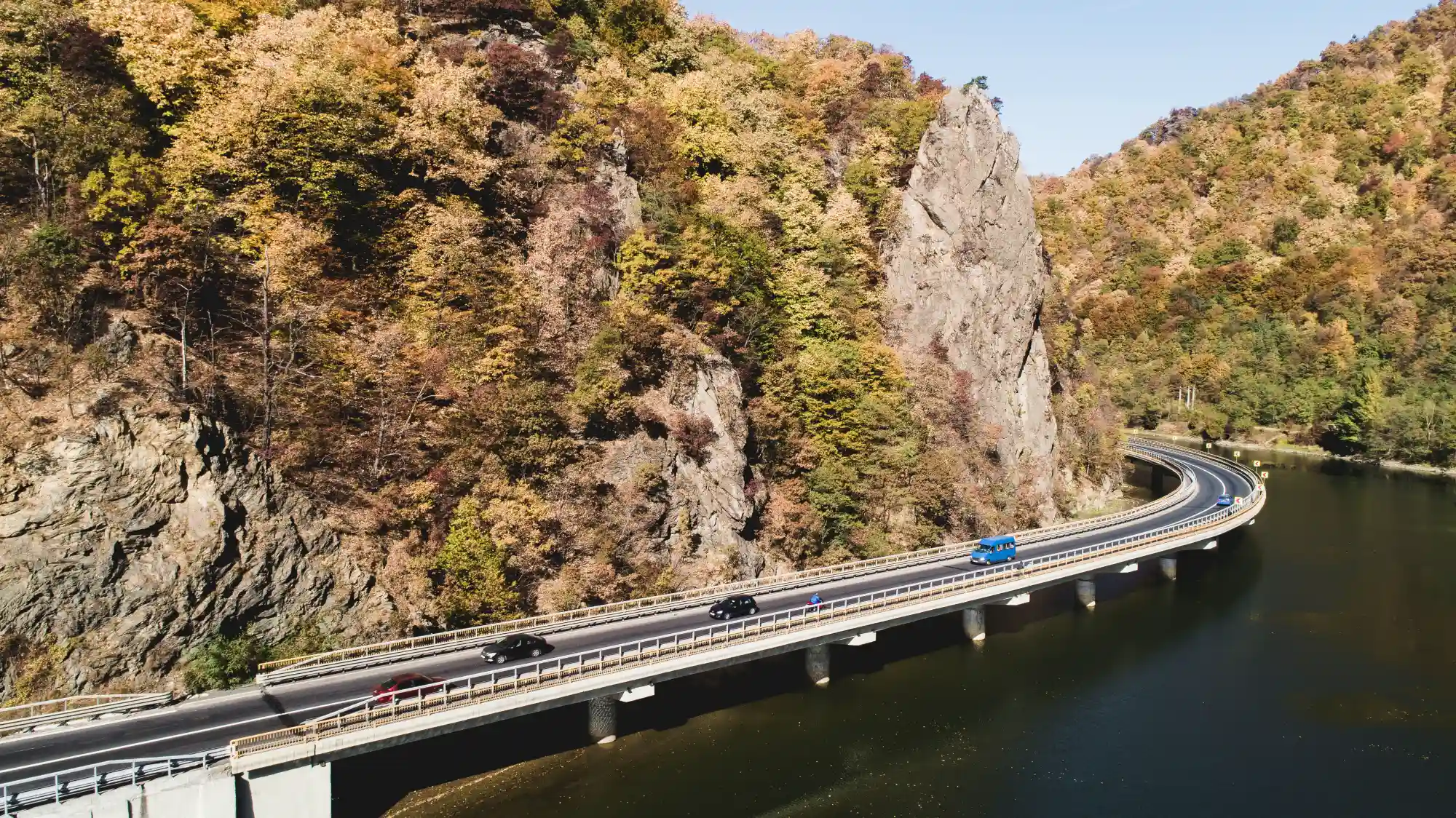
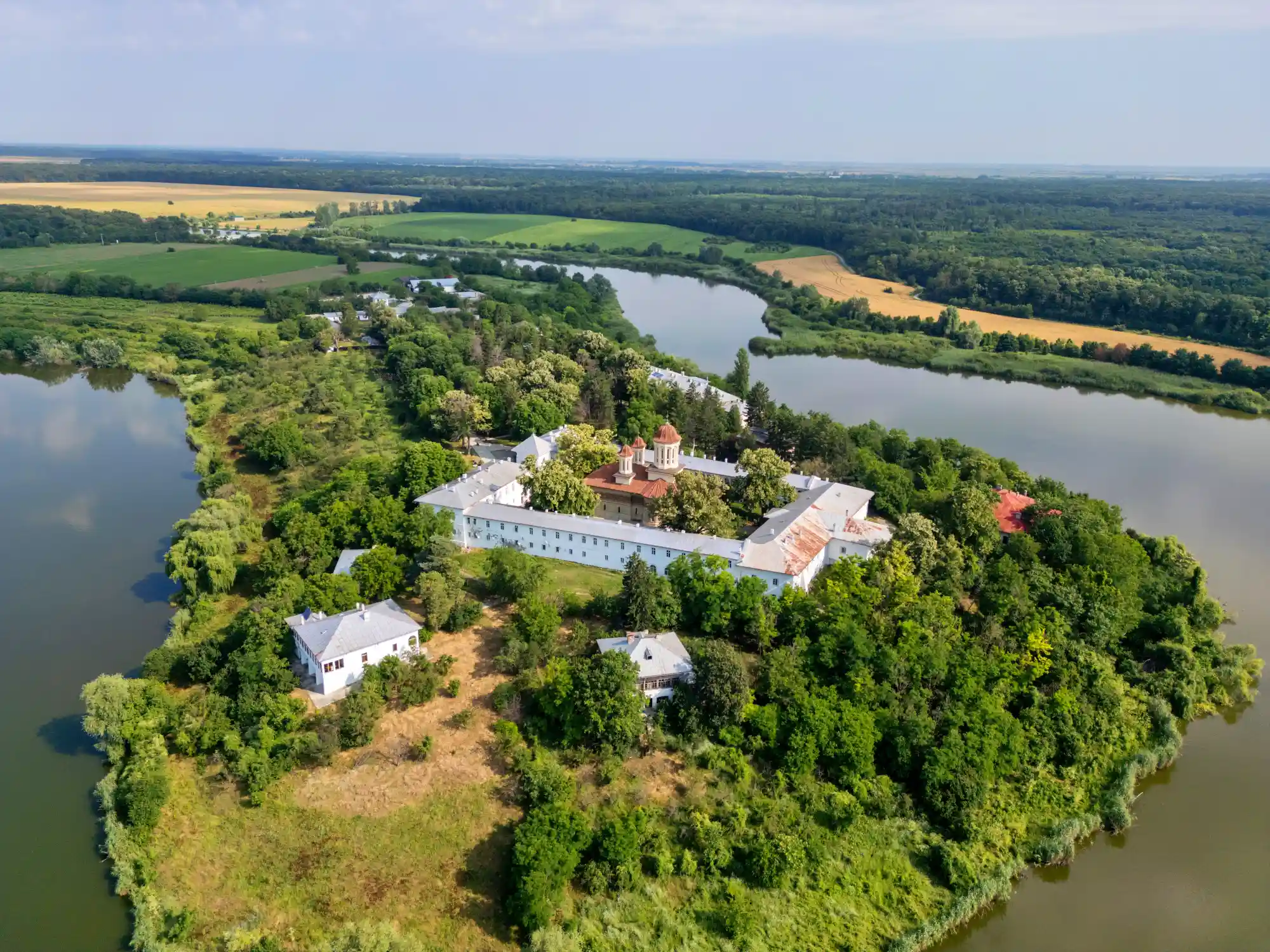
Hike through the narrowest river gorges in the country or retreat to the quiet, frescoed halls of the Horezu Monastery
Vaslui
Explore the high windy ridges of the eastern hills where old military traditions and legendary winemaking still thrive
Vrancea
Taste award-winning wines in the country’s largest wine region where the Carpathian mountains make a sharp turn toward the sea
Timiș
Cross the western plains into a land of elegant squares, baroque palaces and the first electric-lit streets in the region
Suceava
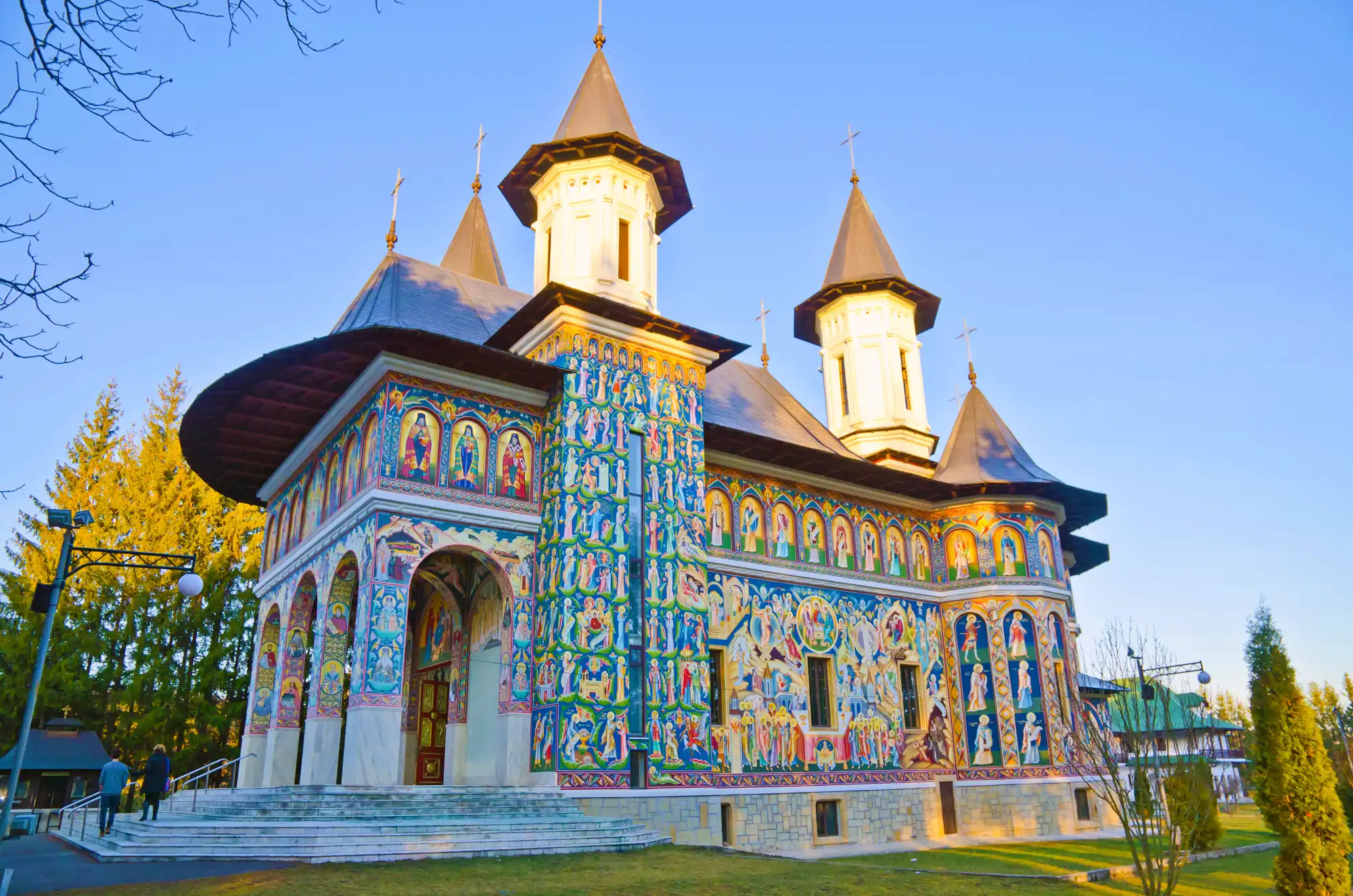
Journey through the Painted Monasteries of Bucovina where vibrant frescoes have survived the wind and snow for five hundred years
Mehedinți
Marvel at the giant face carved in rock as you drive through the Iron Gates where the Danube squeezes through massive cliffs
Sibiu
Wander through high alpine pastures and perfectly preserved Saxon villages where the houses have eyes that watch you pass
Sălaj
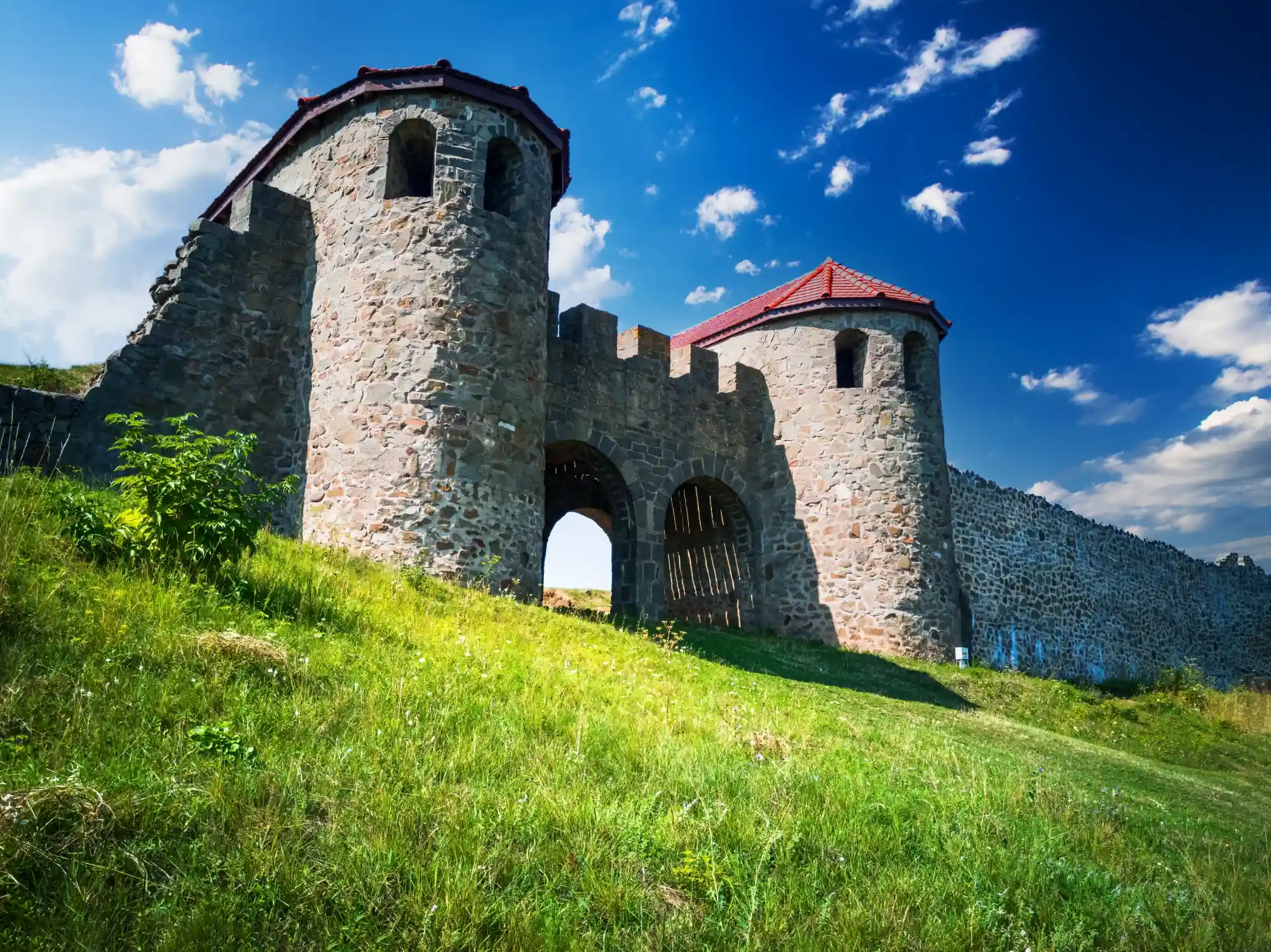
Find the hidden Roman ruins of Porolissum and the strange dragon shaped stone gardens tucked away in the northern hills
Teleorman
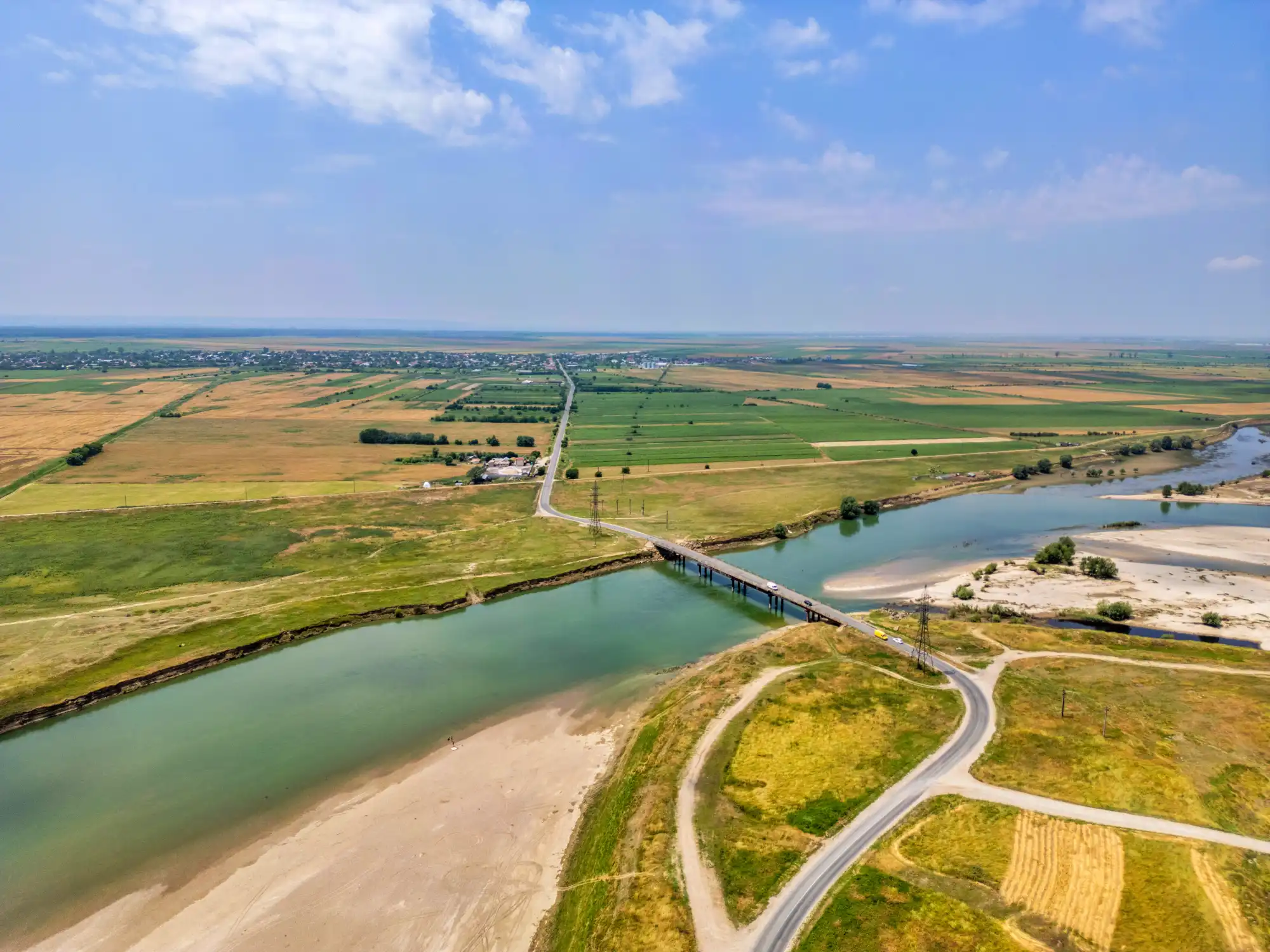
Drive the quiet roads of the deep south where the vast Danube plains meet the slow pace of old rural traditions
Satu Mare
Explore the northern frontier where the unique wooden architecture of the Oaș region meets the fertile plains of the west
Mureș
Explore a mix of medieval clock towers and elegant salt-valley spas in the multicultural heart of the Transylvanian plateau
Prahova
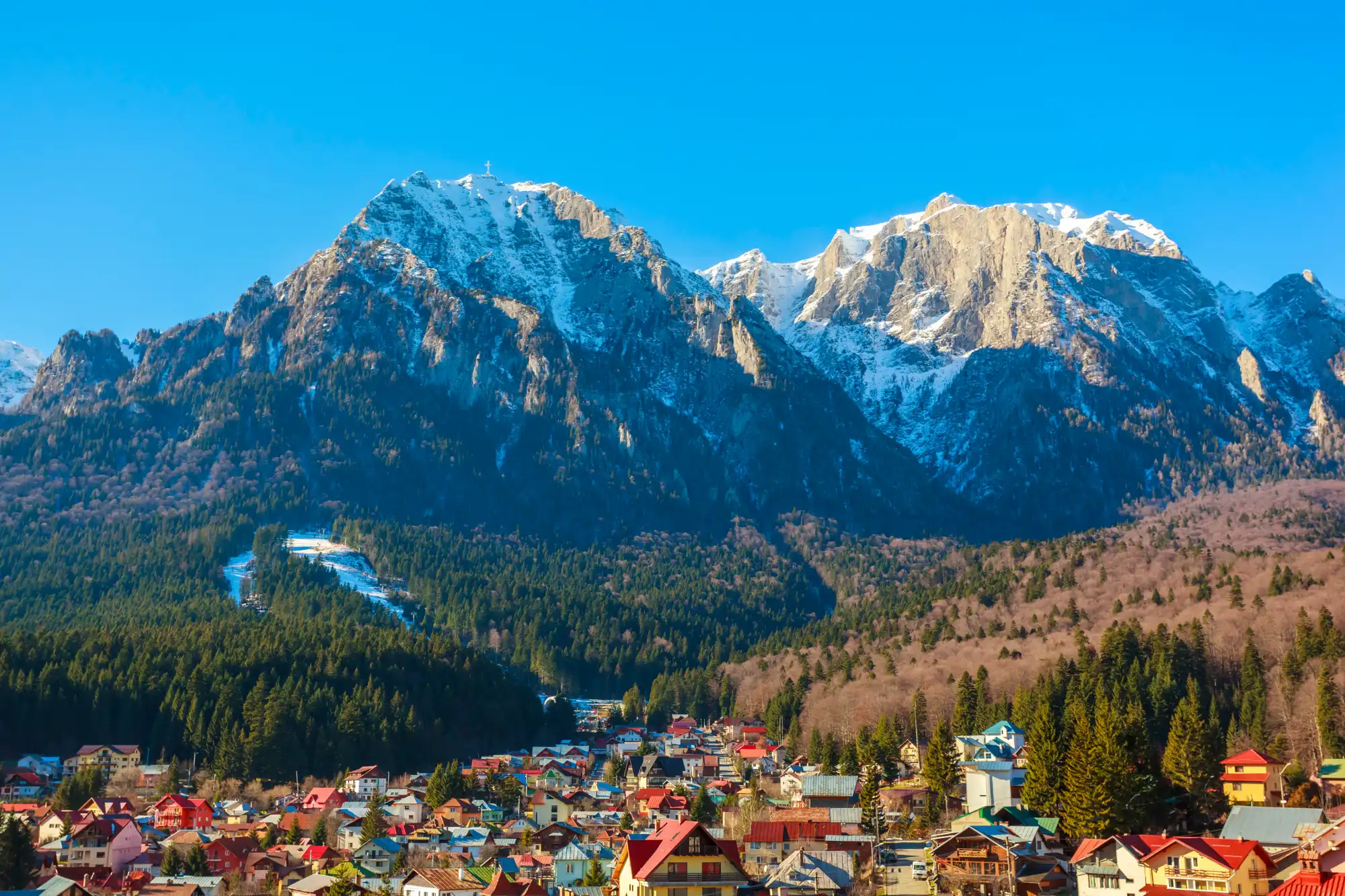
Wind through the wealthy Prahova Valley where royal summer villas sit beneath the jagged, cross-topped peaks of the Bucegi
Neamț
Climb the holy peaks of Ceahlău and find massive mountain fortresses that have stood against empires for centuries
Mureș
Explore a mix of medieval clock towers and elegant salt-valley spas in the multicultural heart of the Transylvanian plateau
Olt
Discover the delicate art of old pottery and the quiet rhythm of life along the banks of the country’s longest internal river
Maramureș
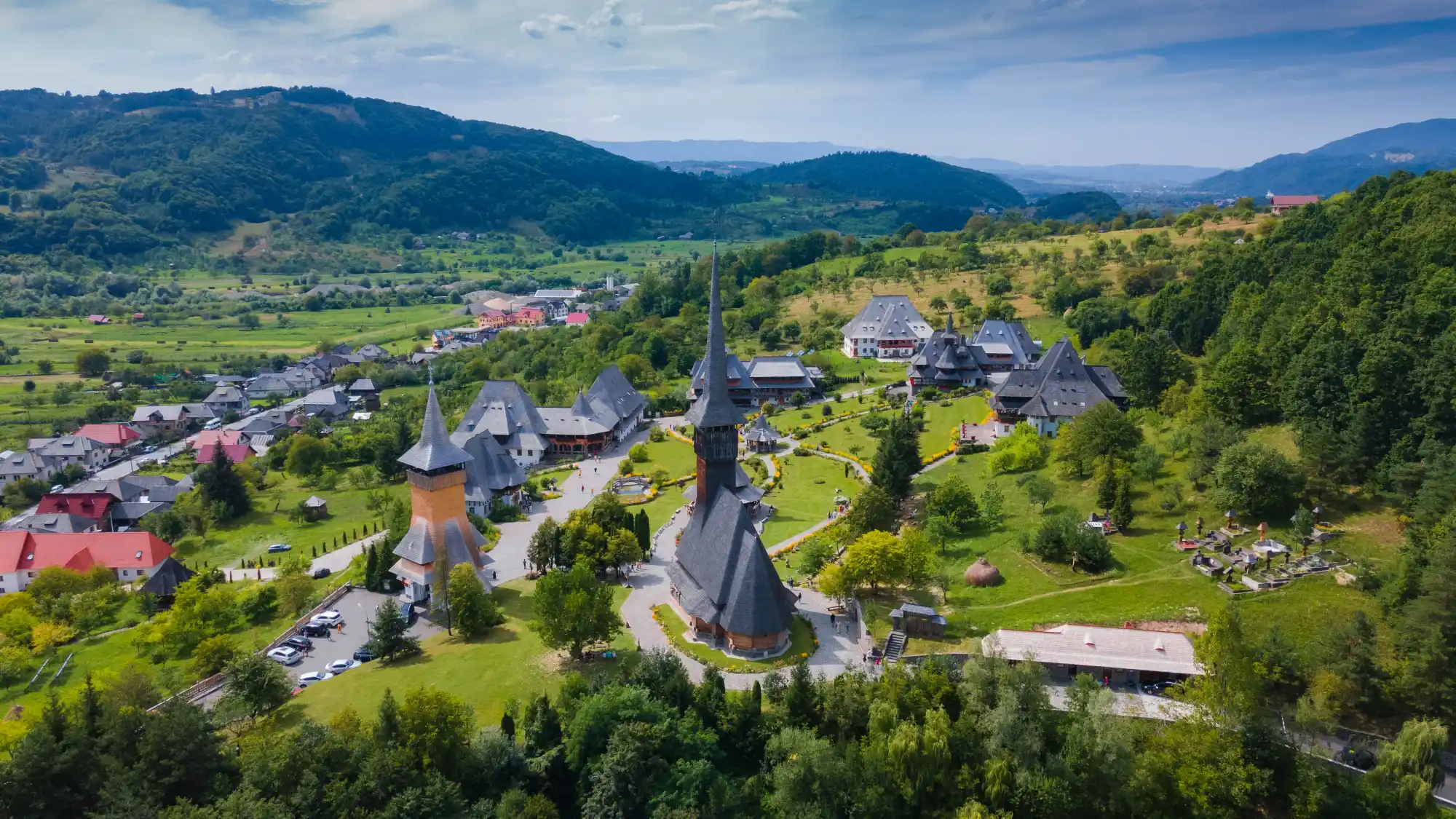
Step back in time among the world’s tallest wooden steeples and the colorful hand-carved stories of the Merry Cemetery
Ilfov
Discover a ring of quiet lakes and aristocratic estates that surround the capital like a green royal necklace
Iași
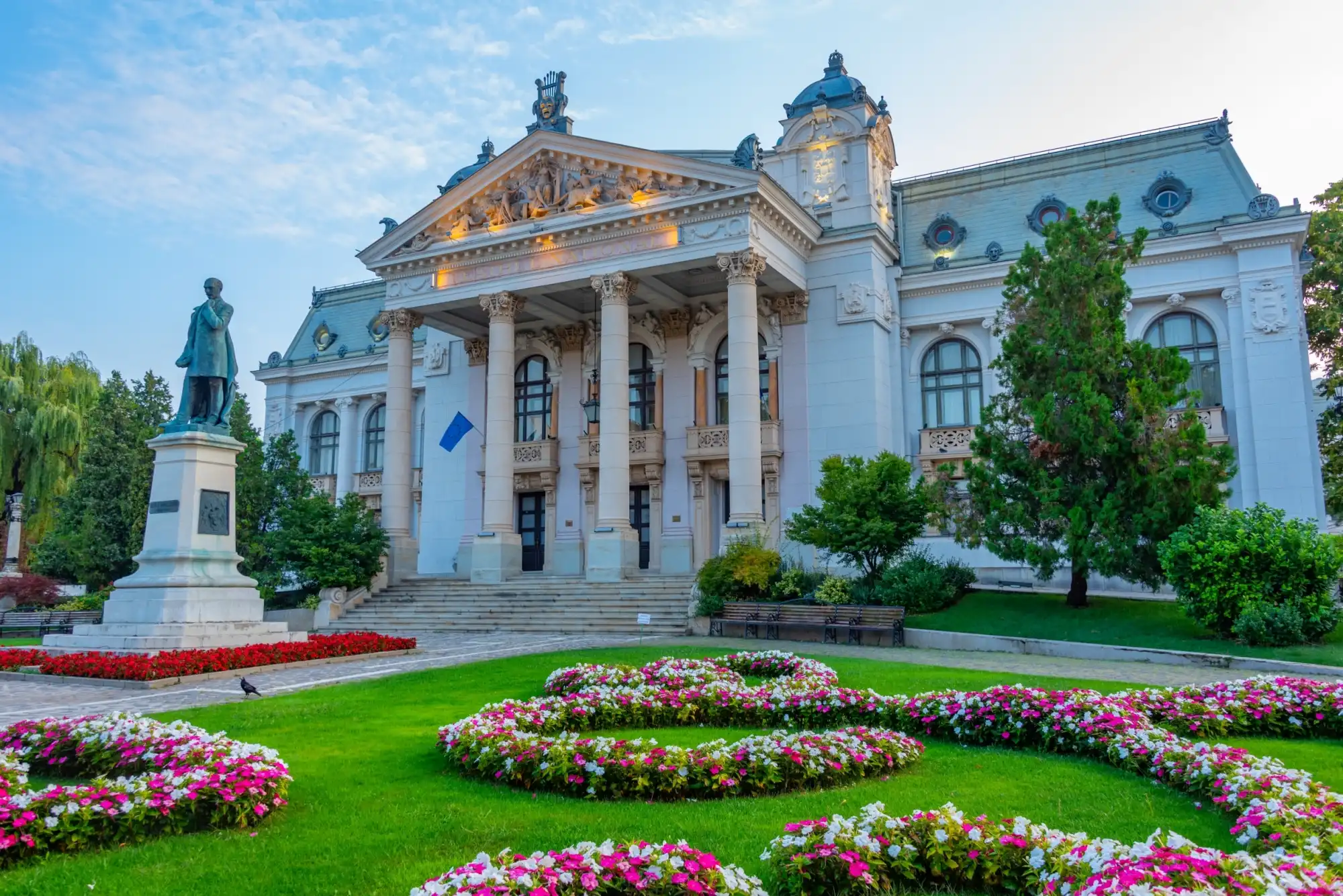
Follow the road to the edge of the east where palace spires and seven holy hills look over the legendary Moldavian plains
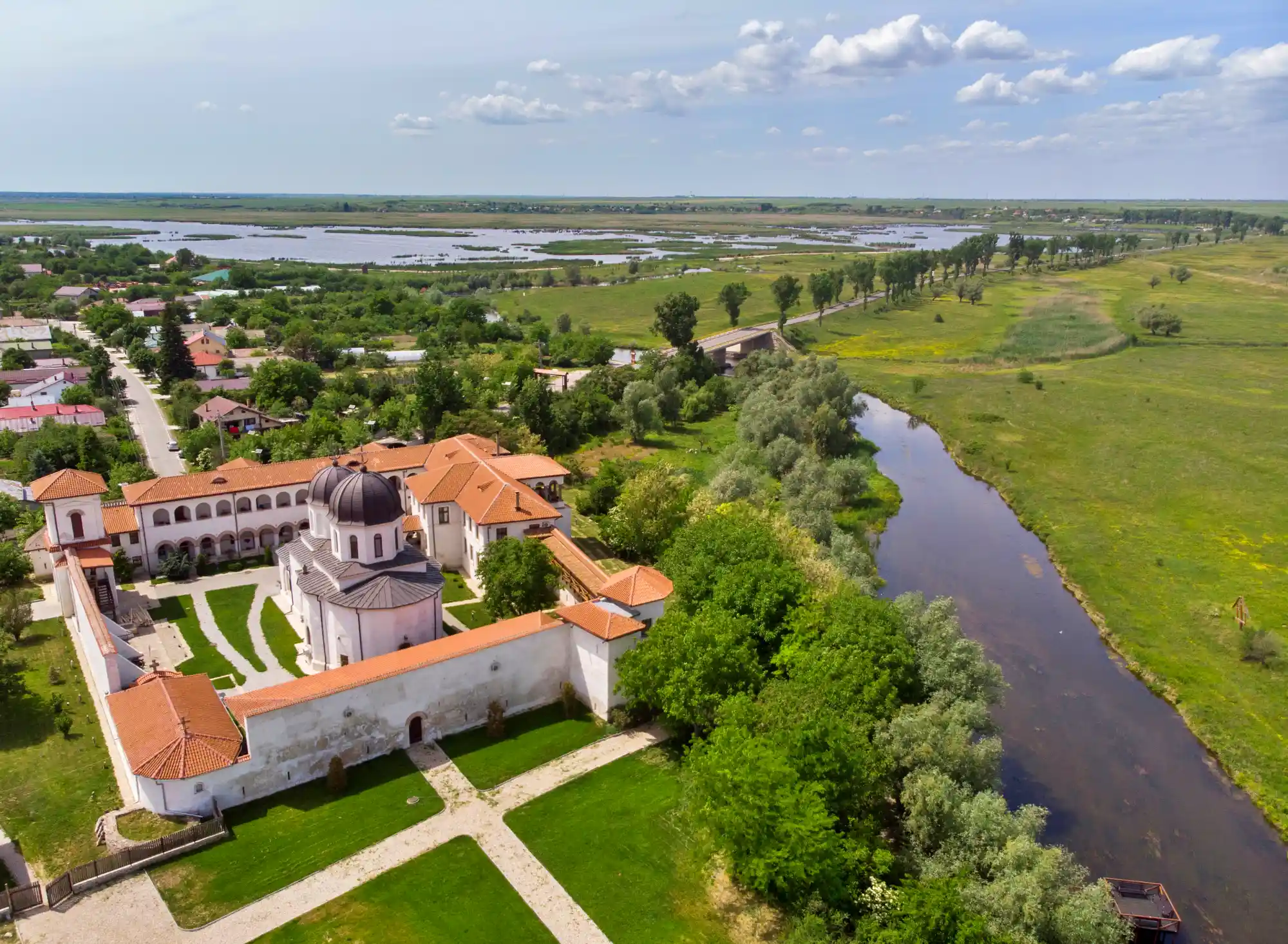
Ialomița
Drive through a sea of golden sunflowers in a county that holds the ancient secrets of the great southern trade routes
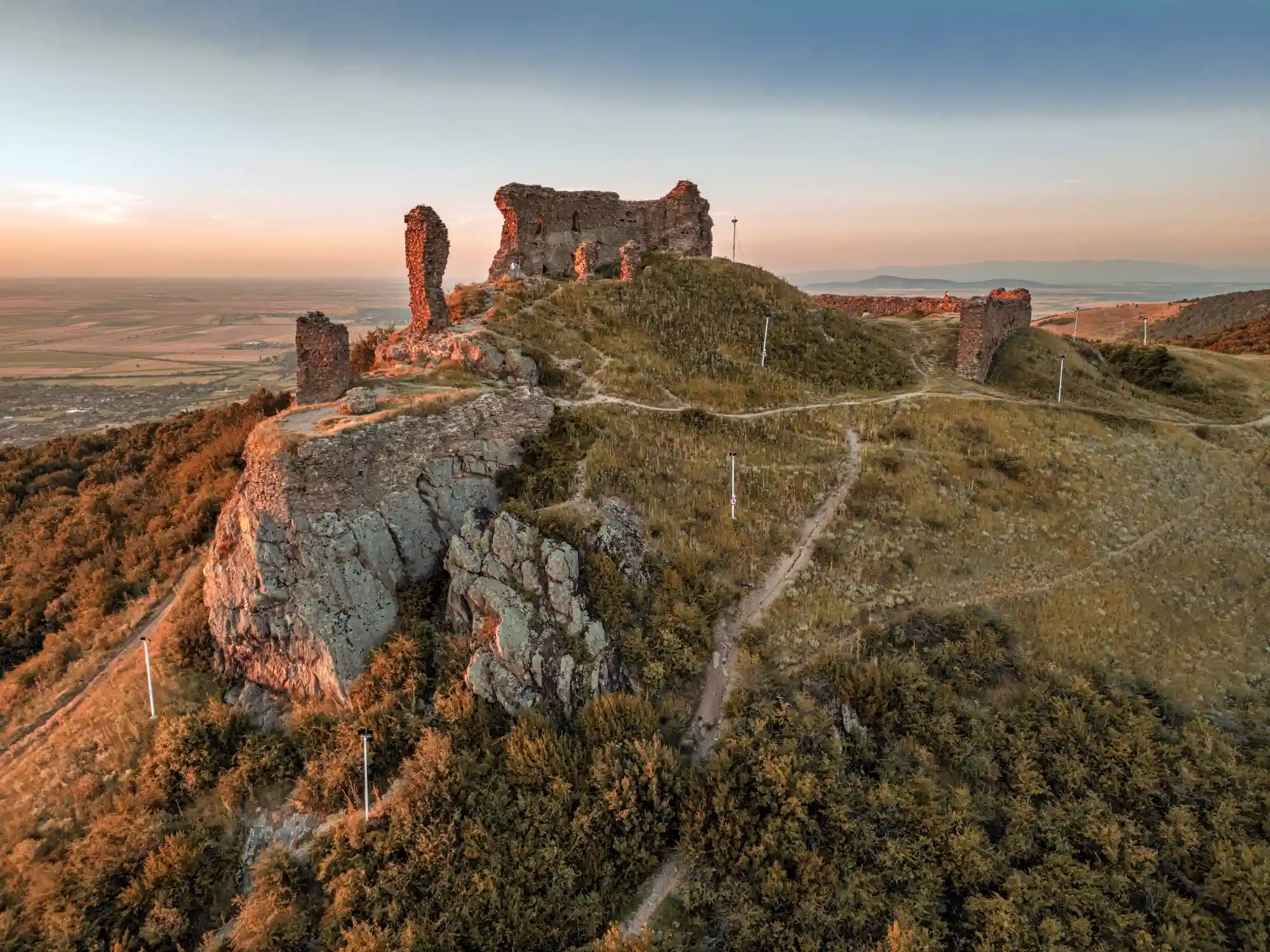
Hunedoara
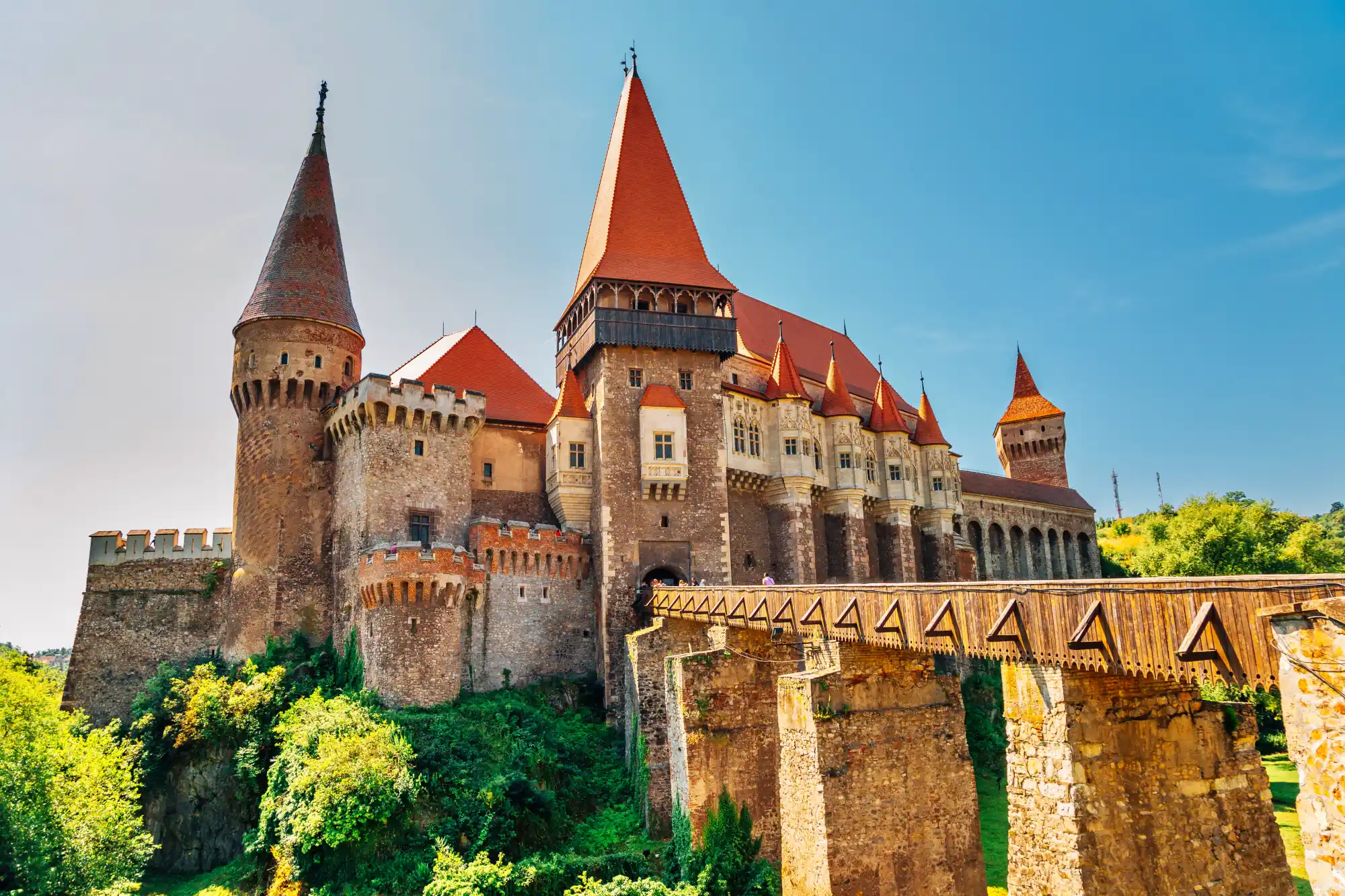
Stand in the shadow of the mighty Corvin Castle before hiking to the high ruins of the ancient Dacian capital
Giurgiu
Cross the iron bridge into the south where quiet river islands and lush wetlands provide a peaceful escape from the city heat
Dolj
Feel the pulse of the southern plains in a land of vast sandy stretches and grand gardens built on the edge of the wild Danube
Gorj
Behold the massive stone sculptures of Brâncuși before diving into the deep, winding gorges carved by the Jiu River
Harghita
Brave the icy Bicaz Gorge and the mountain lakes in the coldest, most mysterious heart of the eastern range
Galați
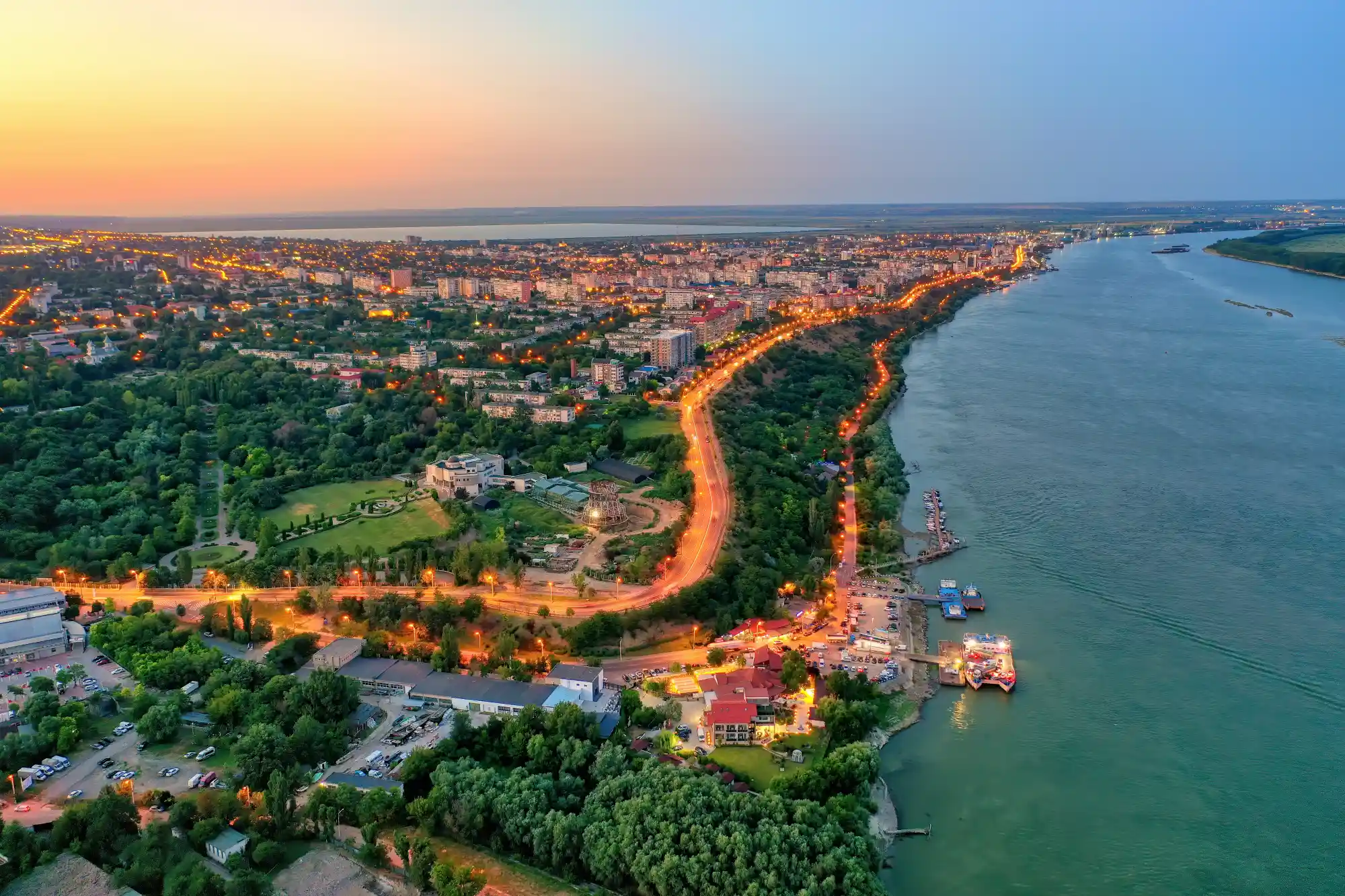
Watch the massive ships dock at the river's edge in a county defined by the meeting of three powerful eastern waters
Dâmbovița
Visit the tall watchtowers where medieval voivodes ruled long before the high peaks of Bucegi steal your breath away
Covasna
Warm up in the land of a thousand mineral springs where mist-covered volcanic lakes hide in the quiet heart of Szeklerland
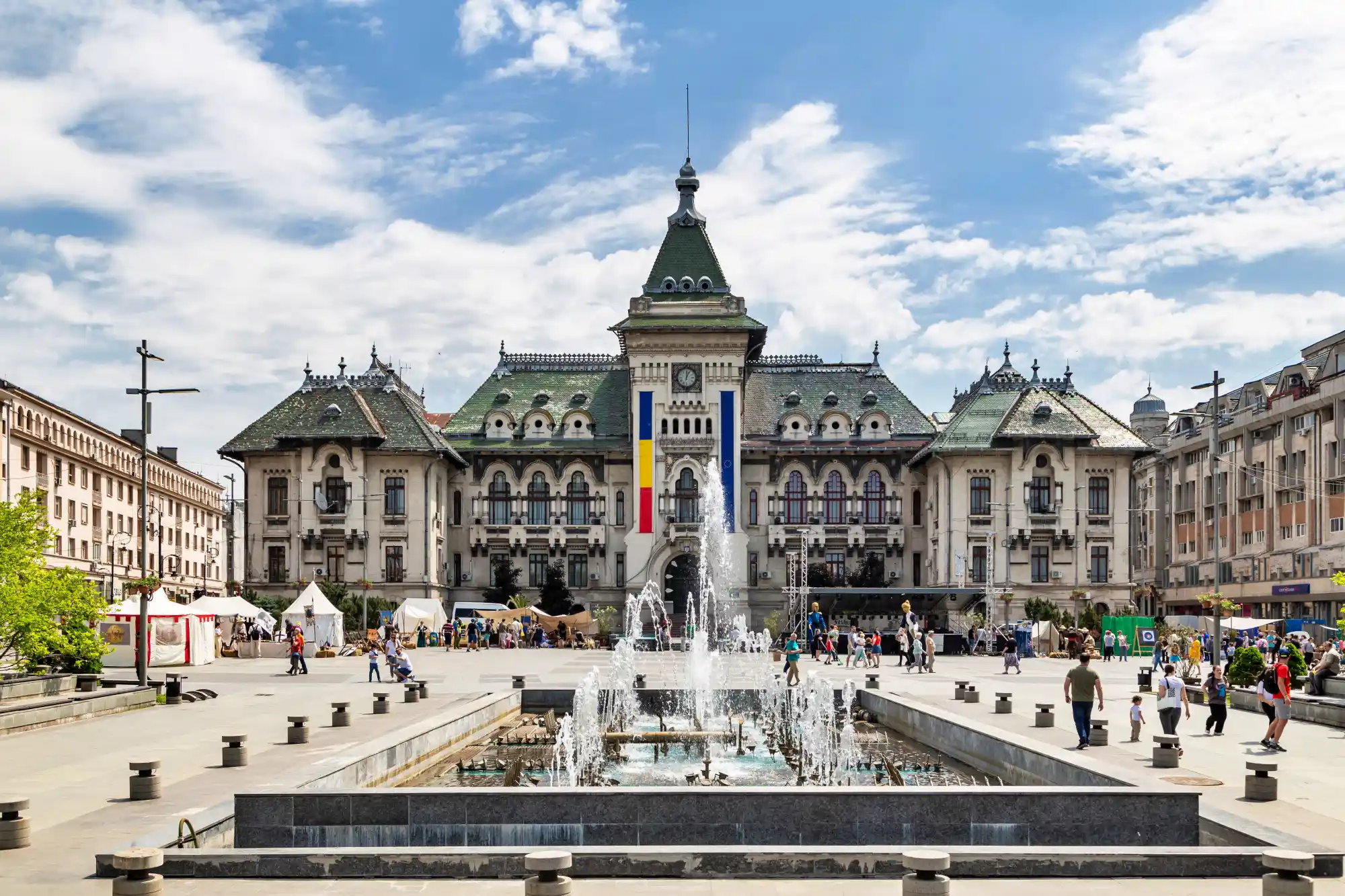
Călărași
Chase the horizon across the vast Bărăgan grain fields to reach the sandy islands and cooling breezes of the lower Danube
Constanța
Leave the sandy beaches behind to find ancient Greek ruins and Roman mosaics scattered across the sun-baked Dobrogean steppe
Cluj
Speed from the vibrant energy of a tech-fueled valley into the quiet wooden-church villages hidden deep within the hills of Transylvania
Caraș-Severin
Ride the oldest mountain rails in the country through a wild paradise of rushing waterfalls and limestone river canyons
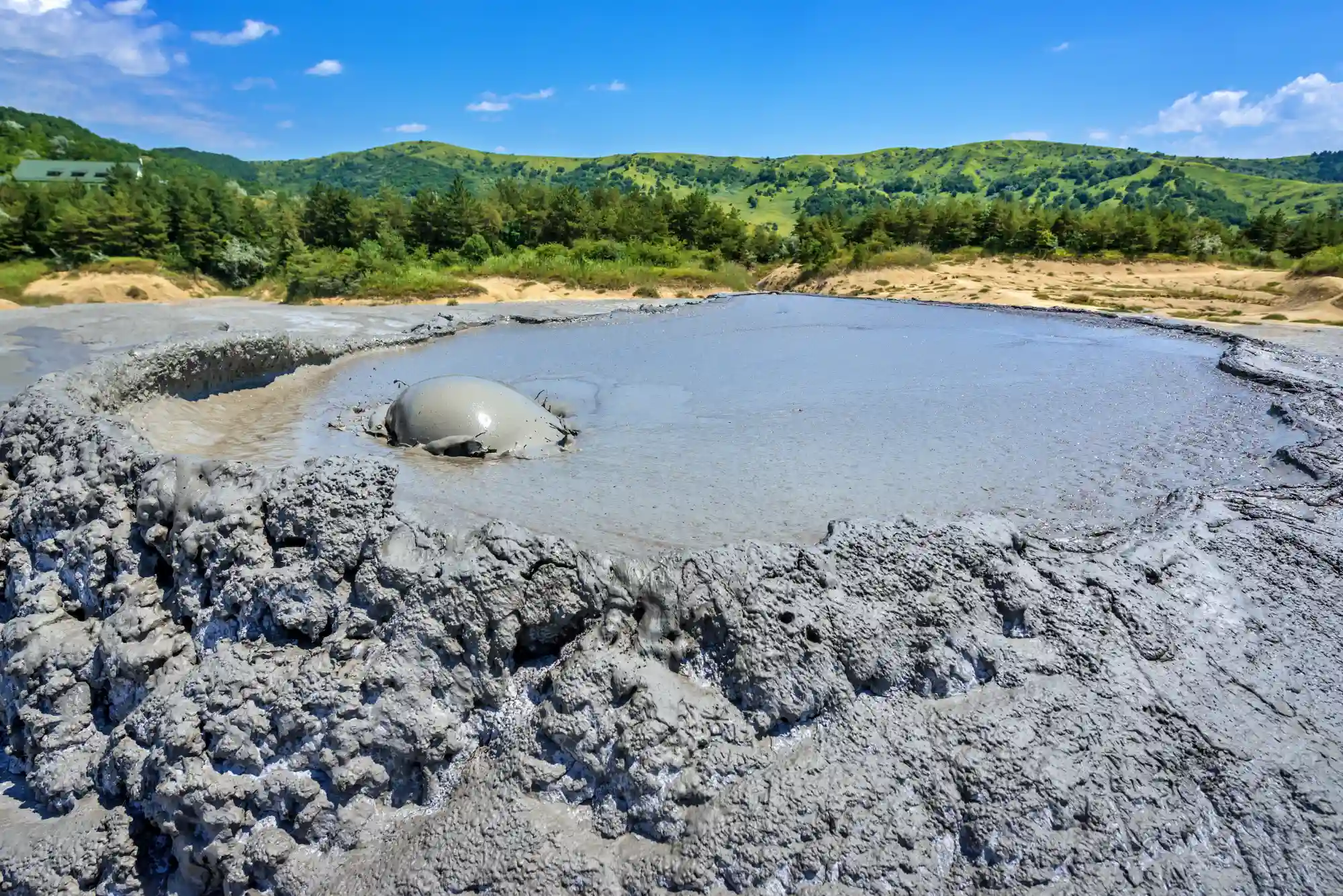
Buzău
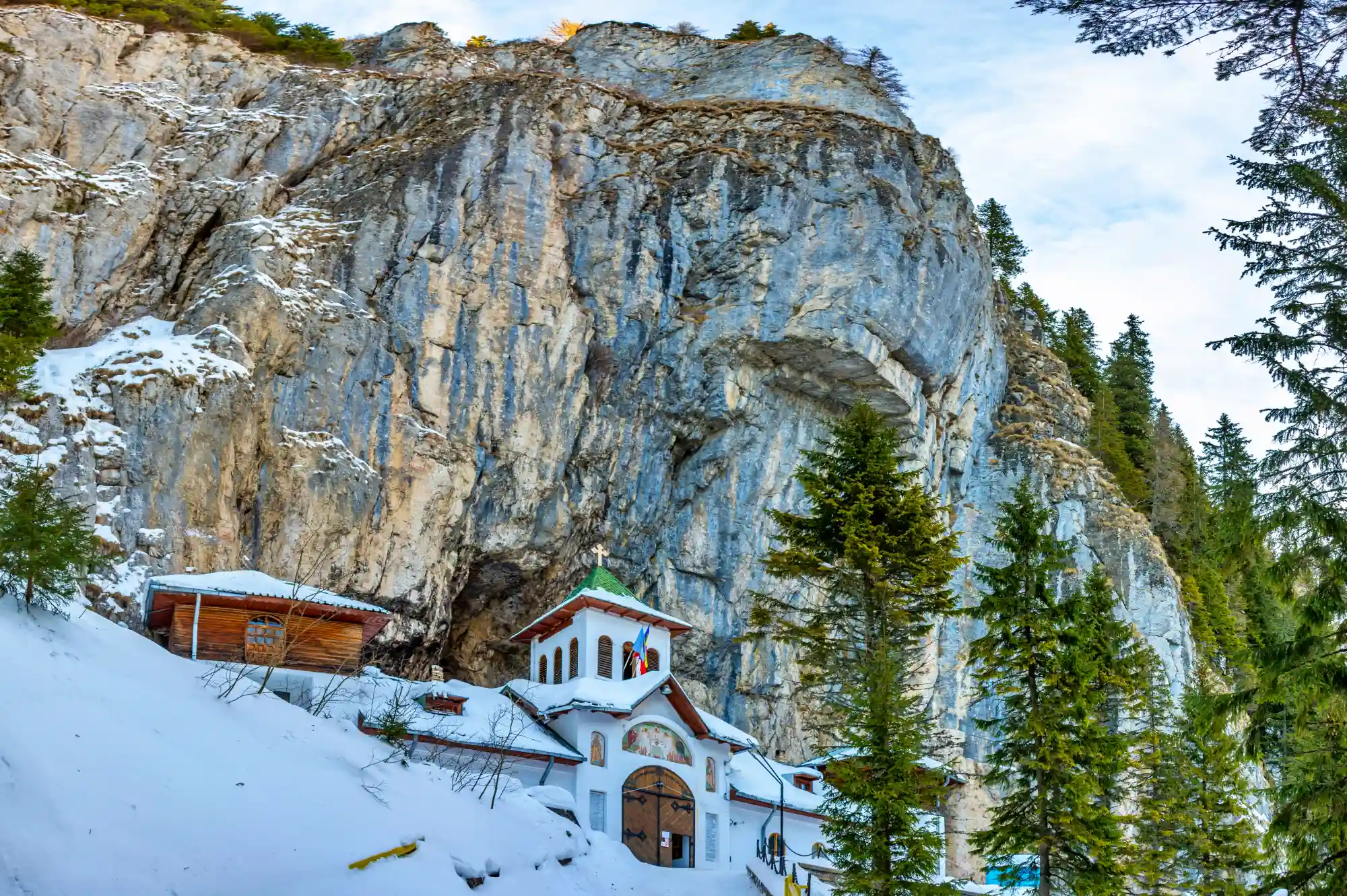
Witness the eerie dance of bubbling mud volcanoes and find secret churches carved directly into the jagged mountain stone
Brăila
Discover a vanished world of wealthy grain merchants along the wide banks where the Danube begins its final turn
Brașov
Navigate the dark shadows of gothic mountain spires and thick forests where brown bears roam beneath the towering peaks of the Carpathians
Bucharest (county)
Explore the leafy outskirts of the capital where hidden lakeside palaces and ancient forest monasteries offer a royal retreat
Botoșani
Wander through a gentle landscape of quiet lakes and rolling hills that sparked the genius of the nation’s greatest poets
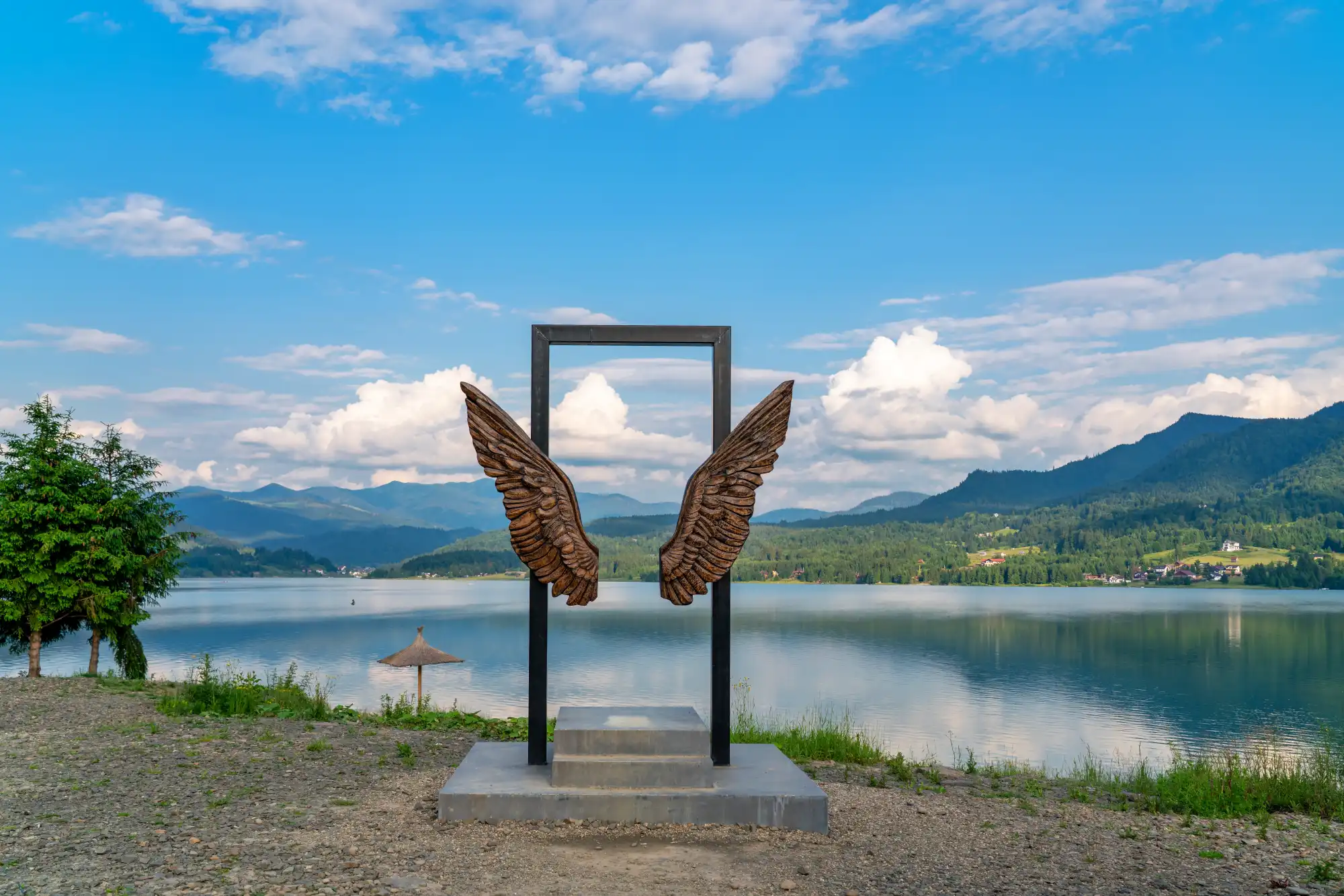
Bistrița-Năsăud
Cross the high mountain passes where old Saxon lore meets the wild untamed peaks of the Calimani range
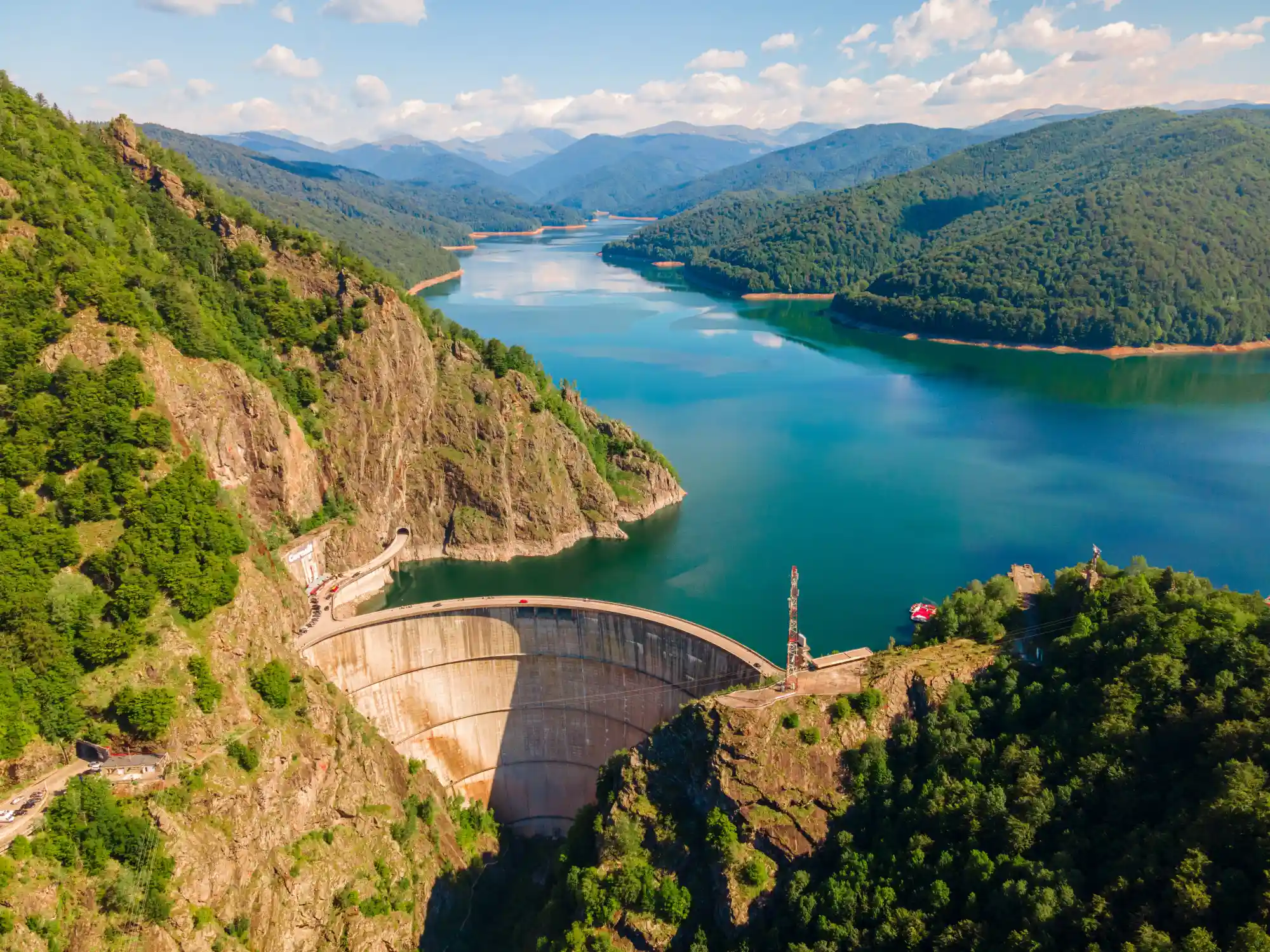
Argeș
Conquer the cloud-piercing Transfăgărășan highway to find cliffside fortresses and the ancient mountain thrones of early Romanian kings
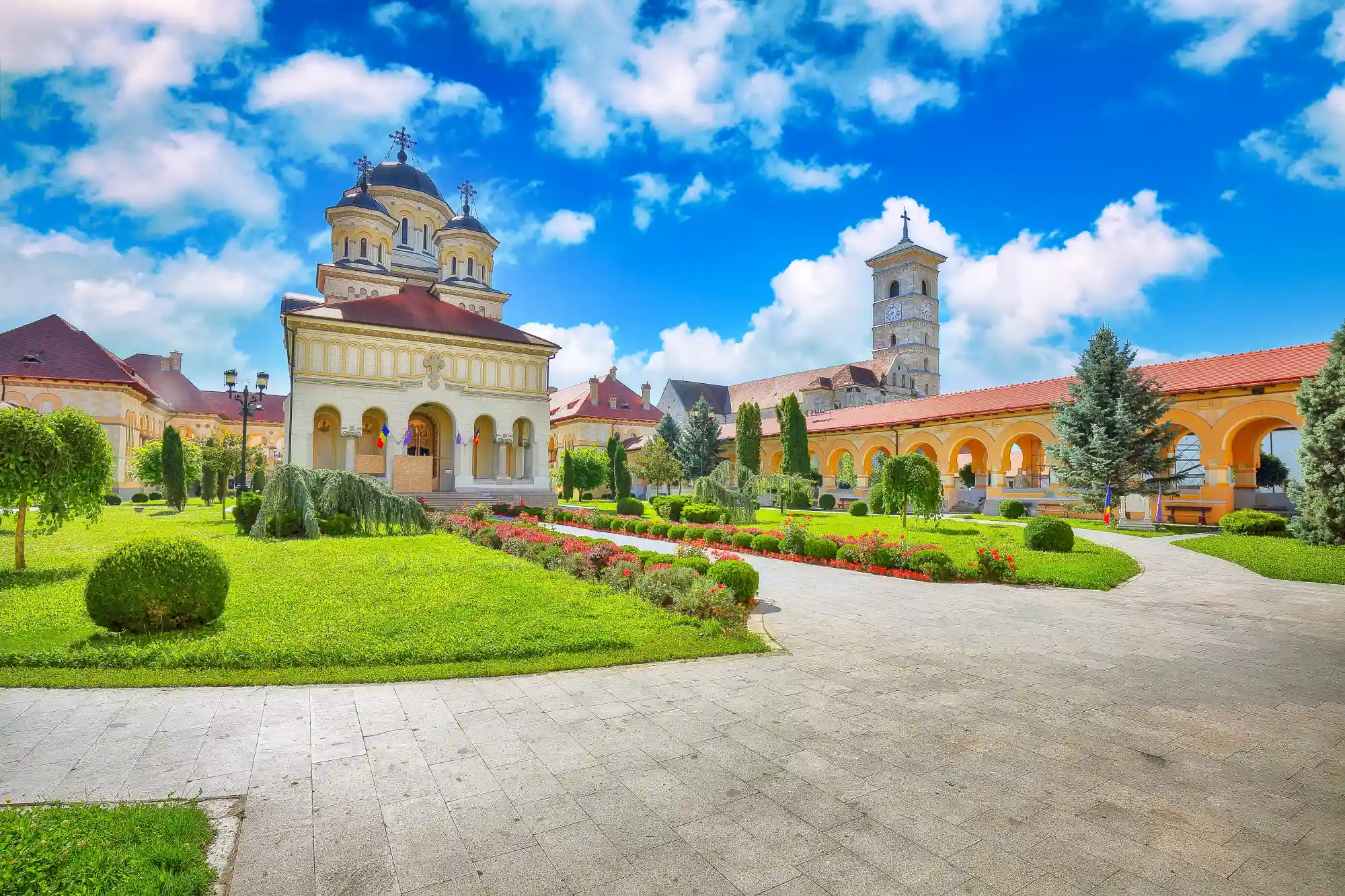
Alba*
Trace the roots of a nation across the golden Apuseni peaks and through the massive star-shaped stone gates of its Roman history
Arad
Drive through wide imperial plains where grand Neoclassical estates watch over the winding path of the Mureș River
Bihor
Dive in steaming thermal springs after exploring the jagged limestone caves and Art Nouveau spirit of this western gateway
Bacău
Descend into the salt depths of the earth or climb the misty ridges of the Trotuș Valley for a rugged eastern escape
Romania's history
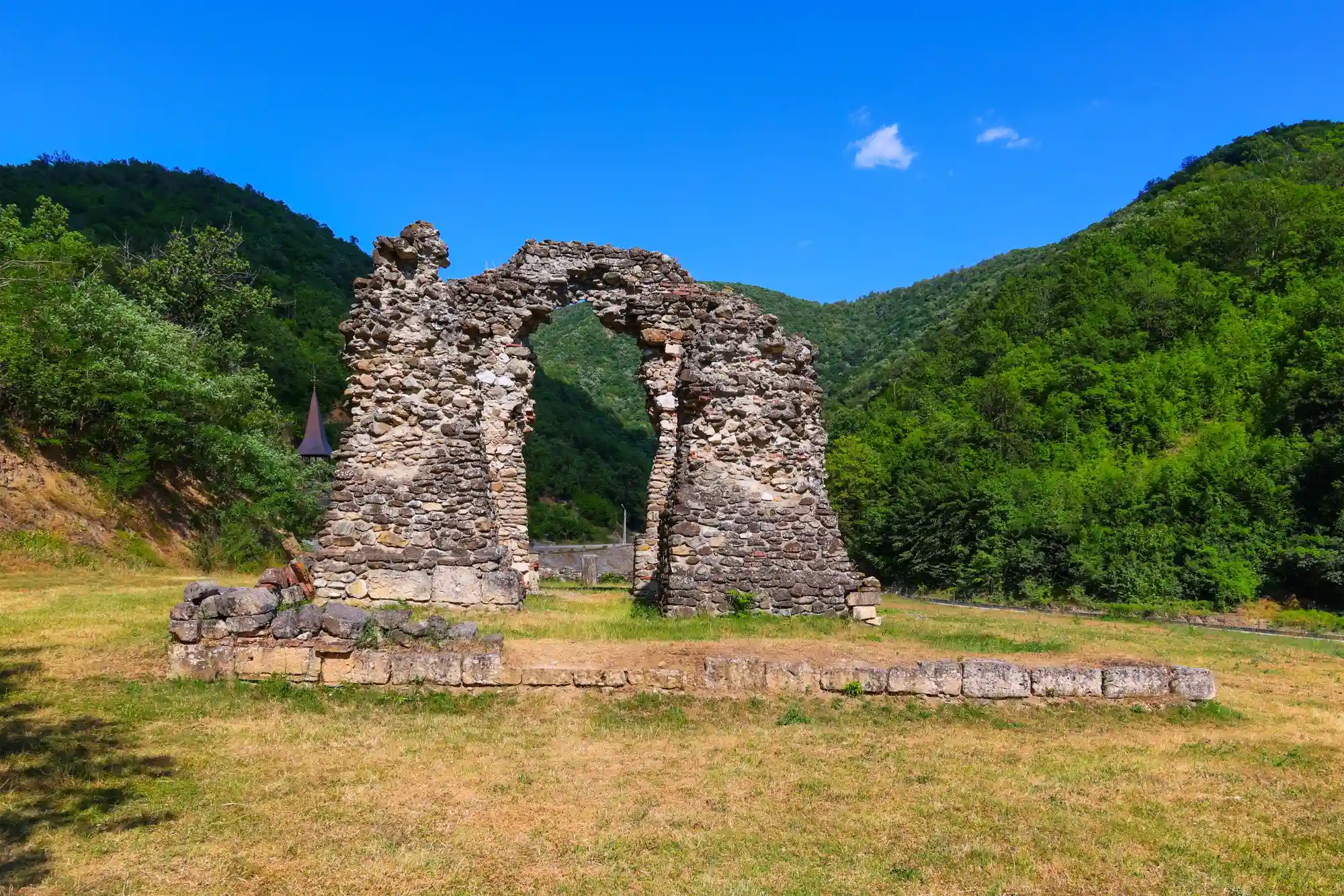
Romania’s history begins with the Dacians, who lived in the Carpathian Mountains and along the Danube before being conquered by the Romans in 106 CE. They behind ruins that travelers can still explore, including the remains of Ulpia Traiana Sarmizegetusa (first and largest city of Roman Daci). Over the following centuries, waves of Goths, Huns and Slavs passed through.
In the Middle Ages, Romanian territories developed as principalities like Wallachia, Moldavia, and Transylvania. Castles and fortified churches were built to defend against Ottoman, Hungarian and Tatar invasions. Legendary figures like Vlad the Impaler in Wallachia became part of folklore and inspired stories. Romania gained independence from the Ottoman Empire in 1877, joined the modern world with railways and roads.
Since the 1989 revolution, Romania has become a modern European country. You can drive through the landscapes that shaped Dacians, Romans, and medieval rulers. Discovering fortresses, monasteries, villages and valleys that tell the story of a Romania.