

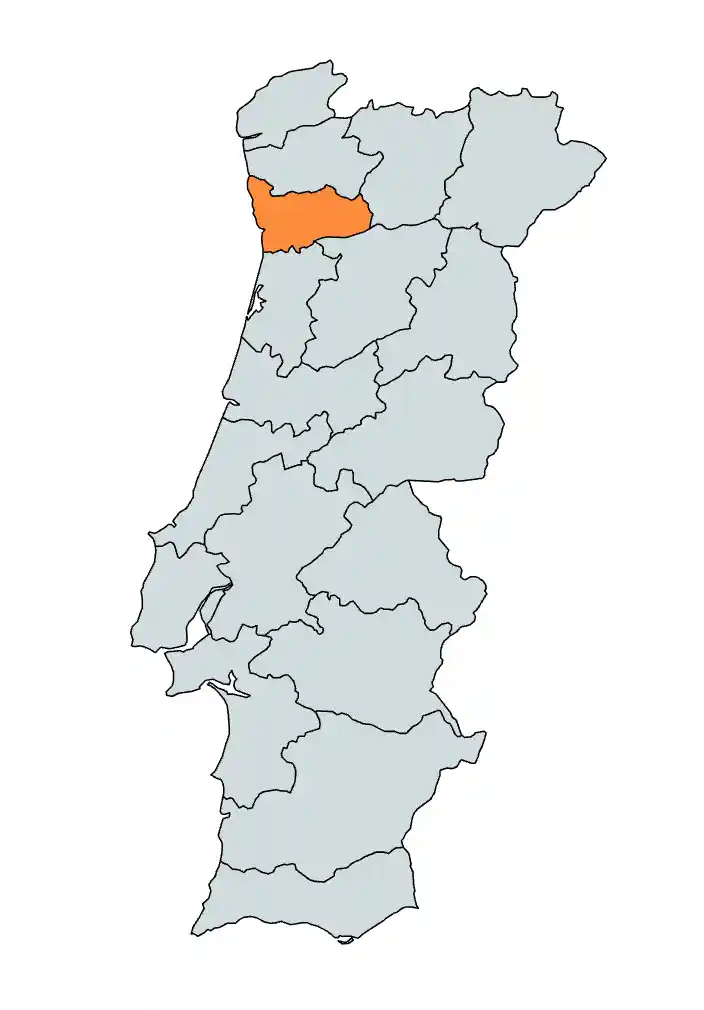
Porto is where the Douro River carves its way into the Atlantic. It is a district of granite, gold and fog. For a road trip it provides a transition from the narrow medieval alleys of the city to the steep terraced vineyards. The roads follow the river as it cuts through deep canyons and rising hills.
Cross the Dom Luís I Bridge on the upper deck for a panoramic view of the orange rooftops of Porto city. Drive down to the Ribeira riverfront where rabelo boats bob on the water. Visit the São Bento Station to see walls covered in twenty thousand blue tiles. Wander the Clérigos Tower for a sightline that reaches the ocean. Then head to Vila Nova de Gaia to walk among the massive wine cellars that have aged port for centuries.
Head east on the N222 which is one of the most beautiful driving roads in the world. This route hugs the river and snakes through the heart of the Douro Valley. Stop at the São Leonardo de Galafura viewpoint to see the river bend below you. The landscape is a geometric wonder of vine covered terraces built by hand over generations. Visit an ancient Quinta to taste wine directly from the source.
Follow the coastline north to the fishing port of Matosinhos. This is the place for the best grilled fish in the country. Watch the sunset at Foz do Douro where the river finally meets the sea. Navigate the coastal road to see the lighthouse at Felgueiras stand against the crashing Atlantic waves. Porto is a district of work and wine.
Porto (district) highlights
- N222 pf Peso da Régua Scenic Drive Take the wheel on this legendary stretch of road that follows the curves of the river through the heart of the wine region. It is often called the best driving road in the world because of its smooth turns and constant views of the emerald water.
- Dom Luís I Bridge Drive across the upper deck of this iconic iron bridge for a stunning view of the colorful Ribeira district and the river. It is a masterpiece of 19th-century engineering that connects the high granite cliffs of Porto to the port wine lodges of Gaia.
- São Leonardo de Galafura Navigate the roads to this high mountain viewpoint that overlooks a massive bend in the Douro River. It provides one of the most cinematic vistas in the district where the terraced vineyards fall away into deep river canyons.
- Cais de Gaia Riverfront Park along the south bank of the river to walk past the historic lodges where port wine has aged in oak barrels for centuries. The promenade provides a perfect skyline view of Porto’s ancient towers and the traditional rabelo boats bobbing on the water.
- Matosinhos Waterfront Drive to the edge of the Atlantic to find the district's premier destination for fresh seafood and urban surf culture. The air here is thick with the smell of salt and the smoke from outdoor charcoal grills where local chefs cook the catch of the day.
- São Bento Train Station Stop in the city center to see the grand atrium covered in twenty thousand blue and white hand-painted tiles. These massive murals tell the story of Portuguese history and provide a beautiful escape from the busy city streets.
- Amarante and the Tâmega River Follow the inland roads to this romantic town where a scenic stone bridge arches over the Tâmega River. The historic center is famous for its riverside cafes and a grand monastery that honors the town’s patron saint with unique local traditions.
- Foz do Douro Navigate to the western tip of the city where the river finally merges with the powerful waves of the Atlantic Ocean. This upscale neighborhood features a long pergola walk, historic lighthouses and rocky beaches that are perfect for a sunset drive.
- Capela do Senhor da Pedra Drive south to the beach at Miramar to see a solitary 17th-century chapel built directly on a spiky rock in the ocean. At high tide, the waves surround the hexagonal building, creating one of the most mysterious and photographed sights on the northern coast.
- Passadiços do Paiva Journey to the edge of the district to walk these award-winning wooden walkways that snake along the rocky banks of the Paiva River. The drive through the surrounding Arouca Geopark features dramatic mountain passes, hidden waterfalls and some of the wildest nature in the region.
The local Four
History of Porto (district)
Porto is a district forged in granite and tempered by the tide. Its history is the reason the nation carries the name Portugal. It began as a small Roman settlement called Portus Cale on the steep banks of the Douro. For centuries this port served as the vital link between the fertile interior and the global sea. The district earned the title "The Unvanquished City" because it survived countless sieges and never surrendered its spirit to invaders.
The true fortune of the district flowed down the river from the Douro Valley. In the 17th century British merchants arrived to trade textiles for the deep red wines of the region. This partnership birthed the Port wine industry and built the grand neoclassical palaces of the city center. To protect this liquid gold the locals built the massive Dom Luís I Bridge. This iron giant became a symbol of the industrial revolution and the engineering power of the north.
A road trip through Porto is a trip through local history which you can see in the medieval walls of Ribeira and the gilded wood carvings of the Church of São Francisco. The district has always been a place of merchants and sailors rather than kings. This independent streak is why Porto remains a city of stone and commerce. It is a place where history is not just in a museum but lived on every street corner and in every aging wine cellar.