

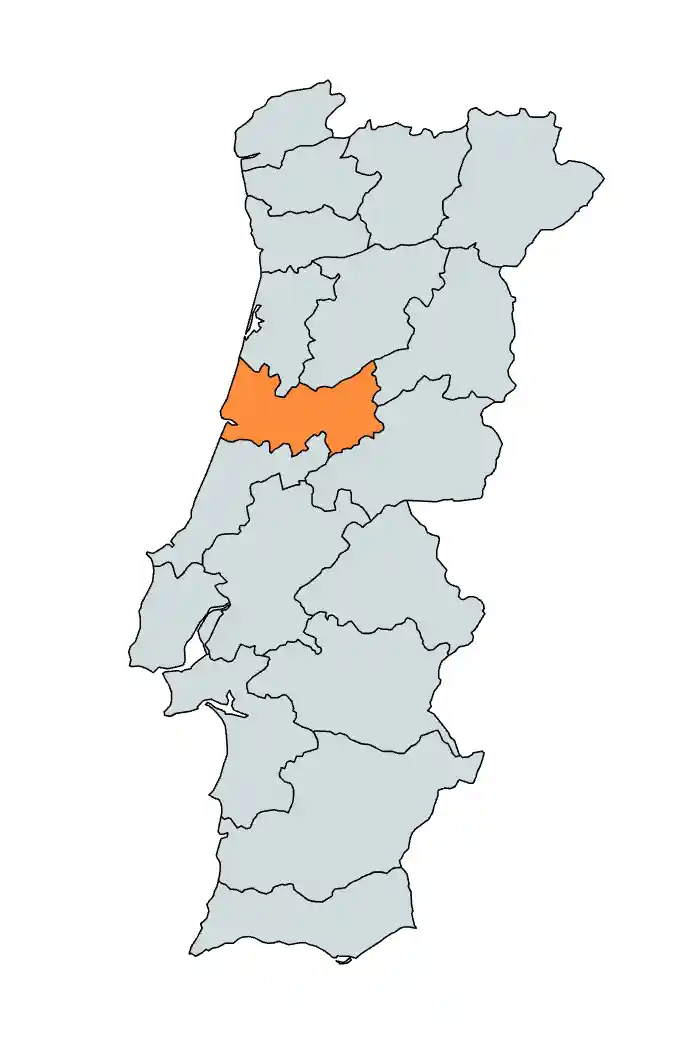
Coimbra is the intellectual heartbeat of Portugal. It is a district of steep hills and river mist. This is where the country’s first kings are buried. For a road trip, it offers a perfect mix of academic grandeur and wild nature. The roads climb from the Atlantic coast to the highest slate peaks of the center.
Start in the city of Coimbra. The University of Coimbra sits on the highest point. It is one of the oldest in the world. Visit the Biblioteca Joanina. It is a gold-leafed baroque masterpiece that houses thousands of ancient volumes. Below the university, narrow alleys tumble down to the Mondego River. This is the home of Fado de Coimbra. It is a haunting music sung only by men in black capes. It echoes through the stone arches at twilight.
Drive east toward the Serra da Lousã. The landscape shifts from urban stone to deep green forests. Here you will find the most beautiful Schist Villages. Places like Talasnal and Cerdeira are hidden in the folds of the mountains. The houses are made of dark, shimmering stone. They cling to the hillsides above crystal-clear streams. The driving here is technical and rewarding. Every turn reveals a hidden waterfall or a wild deer crossing.
Head south to Conímbriga. These are the best-preserved Roman ruins in Portugal. You can walk on intricate floor mosaics that are 2000 years old. Then continue to the Buçaco National Forest. It is a walled garden of giant ferns and exotic trees planted by monks. Coimbra is a district of deep traditions and hidden valleys. it is the soul of Portuguese knowledge. It is a journey through the country's academic roots.
Coimbra (district) highlights
- Joanina Library Step into one of the world's most beautiful libraries, a baroque treasure chest of gold leaf and exotic wood. It houses thousands of ancient books and a colony of bats that protects the paper from insects.
- Conímbriga Ruins Drive to the best-preserved Roman site in Portugal to walk over incredibly detailed floor mosaics. Explore the remains of grand villas, thermal baths, and a sophisticated water system that functioned two millennia ago.
- Talasnal Schist Village Navigate the winding mountain roads of Serra da Lousã to find this dark stone hamlet hidden in the forest. The shimmering schist houses and narrow alleys offer a perfectly preserved glimpse into Portugal’s rural mountain history.
- Buçaco National Forest Enter a walled botanical paradise planted by Carmelite monks, featuring giant ferns and trees brought from the New World. At its center sits a stunning neo-Manueline palace that looks like a fairy tale carved from white stone.
- Penedo da Saudade Visit this tiered stone garden in Coimbra where generations of students have engraved their poems into the rocks. It provides a romantic viewpoint over the city and the Mondego River, steeped in academic tradition and nostalgia.
- Fraga da Pena Waterfall Follow a hidden trail in the Serra do Açor to discover a majestic 20 meter waterfall dropping into a slate pool. This secret spot is surrounded by ancient laurel trees and provides a cool misty retreat from the summer heat.
- Piódão Village Take the long, scenic drive to this "nativity scene" village where houses are built entirely of schist with bright blue doors. It is perched on a steep mountainside and is officially recognized as one of the most beautiful remote settlements in the country.
- Monastery of Santa Clara-a-Velha Explore the haunting ruins of a 13th-century Gothic monastery that spent centuries partially submerged by the Mondego River. The archaeological site features a visitor center that explains the dramatic battle between the stone structure and the rising floods.
- Cabedelo Beach Drive to the coast near Figueira da Foz to experience wild Atlantic dunes and world-class surfing waves. It is a rugged stretch of sand backed by pine forests, perfect for a sunset stop at the end of a cross-district journey.
- Buracas do Casmilo Hike into a limestone canyon to see massive natural "windows" or caves carved into the vertical rock faces by erosion. This geological wonder feels like a prehistoric landscape and is a favorite spot for climbers and adventurous photographers.
The local Four
History of Coimbra (district)
Coimbra is the cradle of Portuguese royalty and the keeper of its knowledge. Long before the first king, the Romans built Conímbriga, a flourishing city of mosaics and fountains that served as a vital link in the empire. When the Roman world collapsed, the power shifted to a hill overlooking the Mondego River. This became the first capital of the Portuguese Kingdom. In the 12th century, King Afonso Henriques walked these streets and his tomb remains in the heart of the city at the Santa Cruz Monastery.
While Lisbon eventually became the political capital, Coimbra remained the intellectual heart. In 1290, one of the world's oldest universities was established here. For centuries, the city’s history was defined by the black capes of scholars and the melancholy notes of Coimbra Fado. This music, sung only by men, tells stories of student life and lost loves beneath the stone arches of the Old Cathedral. The district's history isn't just in its books; it is in the Serra da Lousã, where remote schist villages provided a refuge for mountain folk during the Napoleonic invasions.
A road trip through Coimbra is a drive through the national identity. You can trace the path from Roman ruins to the baroque splendor of the Joanina Library. Head into the mountains where time stands still in villages made of dark stone. From the royal tombs in the valley to the monk-planted forests of Buçaco, Coimbra remains the place where Portugal’s past is most vividly preserved.