

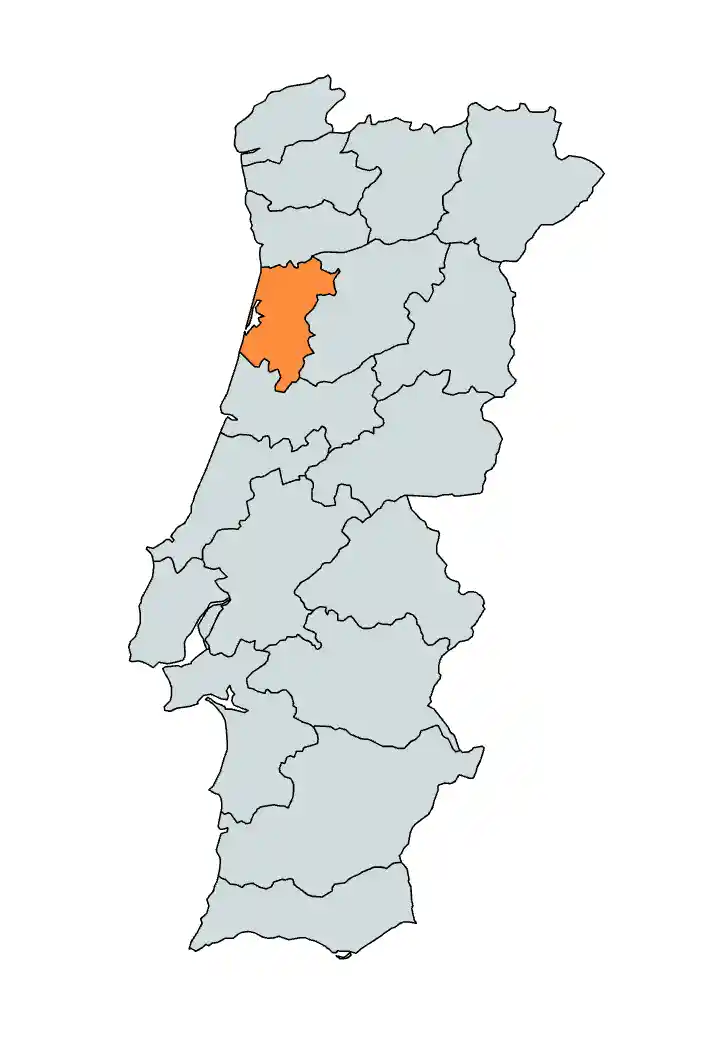
Aveiro is one of the best road trip districts in Portugal. Water and salt shape everything here. The Atlantic feeds a 45-kilometer lagoon that runs inland behind the coast. Roads follow the water. Marshes stretch flat and silver. Old salt pyramids sit beside narrow canals. The light is strong.
Most trips start in Aveiro city. Colorful moliceiro boats drift through the canals. Bridges link compact streets and cafés by the water. It is worth seeing, but the real road trip begins when you leave the center. Drive along the lagoon edge.
Head north to Costa Nova. The striped beach houses line the sand in bold colors. Red, blue, yellow and green. This is one of the most photographed places in Portugal. Continue to Ílhavo. The town is tied to the sea. The Maritime Museum holds a full-scale cod fishing ship. You can walk its deck. Steel walls. Cold air. It shows how far sailors once traveled from this coast.
Further south lies São Jacinto. Reach it by car ferry across the lagoon. It saves time and adds a unique crossing to your route. Dunes rise behind the beach. Pines block the wind. The Atlantic feels raw and wide here.
Drive east and the landscape changes fast. You enter the Arouca Geopark. This area is a highlight for inland road trips from Aveiro. Granite cliffs close in. Rivers cut deep valleys. The Paiva Walkways run along the gorge on wooden paths. Above them hangs the 516 Arouca Bridge. It stretches 516 meters across the canyon. The river flows 175 meters below. The bridge moves under your steps.
End the day back by the water or deep in the mountains. In Aveiro city, stop for ovos moles. Thin wafers filled with sweet egg cream. Pair them with sparkling wine from nearby Bairrada. Aveiro is built for driving. Sea roads. Lagoon crossings. Mountain curves. Keep your route flexible. This district rewards detours.
Aveiro (district) highlights
- Costa Nova Palheiros Walk among the iconic wooden houses painted in bright candy stripes. These former fisherman shacks face the lagoon and make for the district’s most famous photo stop.
- Salinas de Aveiro Watch salt workers harvest white crystals from ancient pans using traditional wooden tools. The flat landscape creates a perfect mirror for the sky at sunrise and sunset.
- 516 Arouca Bridge Walk across one of the longest pedestrian suspension bridges in the world hanging high above the Paiva River. It offers a thrilling view of the gorge and the surrounding green mountains.
- São Jacinto Dunes Take the car ferry across the lagoon to reach this quiet nature reserve of wild sand and pine forest. It is a peaceful escape from the more crowded city center.
- Passadiços do Paiva Follow an 8km wooden walkway that snakes through a deep river canyon and past hidden waterfalls. It is a challenging but beautiful trek through the rugged heart of the Geopark.
- Vista Alegre Museum Visit the historic factory where world-famous porcelain has been crafted since 1824. You can explore the chapel and the workshop where artists still paint fine details by hand.
- The Santo André Ship Step inside a massive retired cod-fishing trawler docked in the waters of Ílhavo. It provides a raw look at the tough life of sailors who braved the North Atlantic.
- Águeda Umbrella Streets Walk under thousands of colorful floating parasols that shade the city streets during the summer months. This art installation turns the town into a bright and whimsical urban forest.
- Bairrada Vineyards Drive through rolling hills to taste the region’s famous sparkling wines in cool underground cellars. Pair a glass with local roasted suckling pig for the ultimate regional meal.
- Drave Village Hike to this uninhabited "magic village" hidden deep in the folds of the Freita mountains. The houses are made of dark schist and there is no electricity or phone signal.
The local Four
History of Aveiro (district)
Aveiro was born from a restless battle between the river and the sea. For centuries it was one of Portugal’s most vital ports where the Vouga river emptied into the Atlantic. The locals grew wealthy on "white gold" from the salt pans and the dangerous trade of North Atlantic cod. Then in 1575 a massive storm changed the geography forever. A wall of sand shifted across the coast and choked the mouth of the river. The harbor closed and the city was suddenly cut off from the ocean.
For two hundred years Aveiro withered away. The salt water became stagnant and the population plummeted as malaria spread through the swamps. It became a ghost town of ruined churches and empty warehouses. It wasn't until 1808 that engineers finally managed to blast a permanent canal through the dunes. The lagoon breathed again and the tides returned to flush the land. This near-death experience defined the district’s character.
The people rebuilt their lives using moliceiro boats to harvest seaweed for fertilizer. They transformed the salt pans into a global powerhouse once more. Even the inland mountains of Arouca reflect this resilience where miners once extracted wolfram from the earth during the world wars. Today the district is a testament to survival. It is a landscape that was almost reclaimed by the sand but fought its way back to become a vibrant world of water and light