

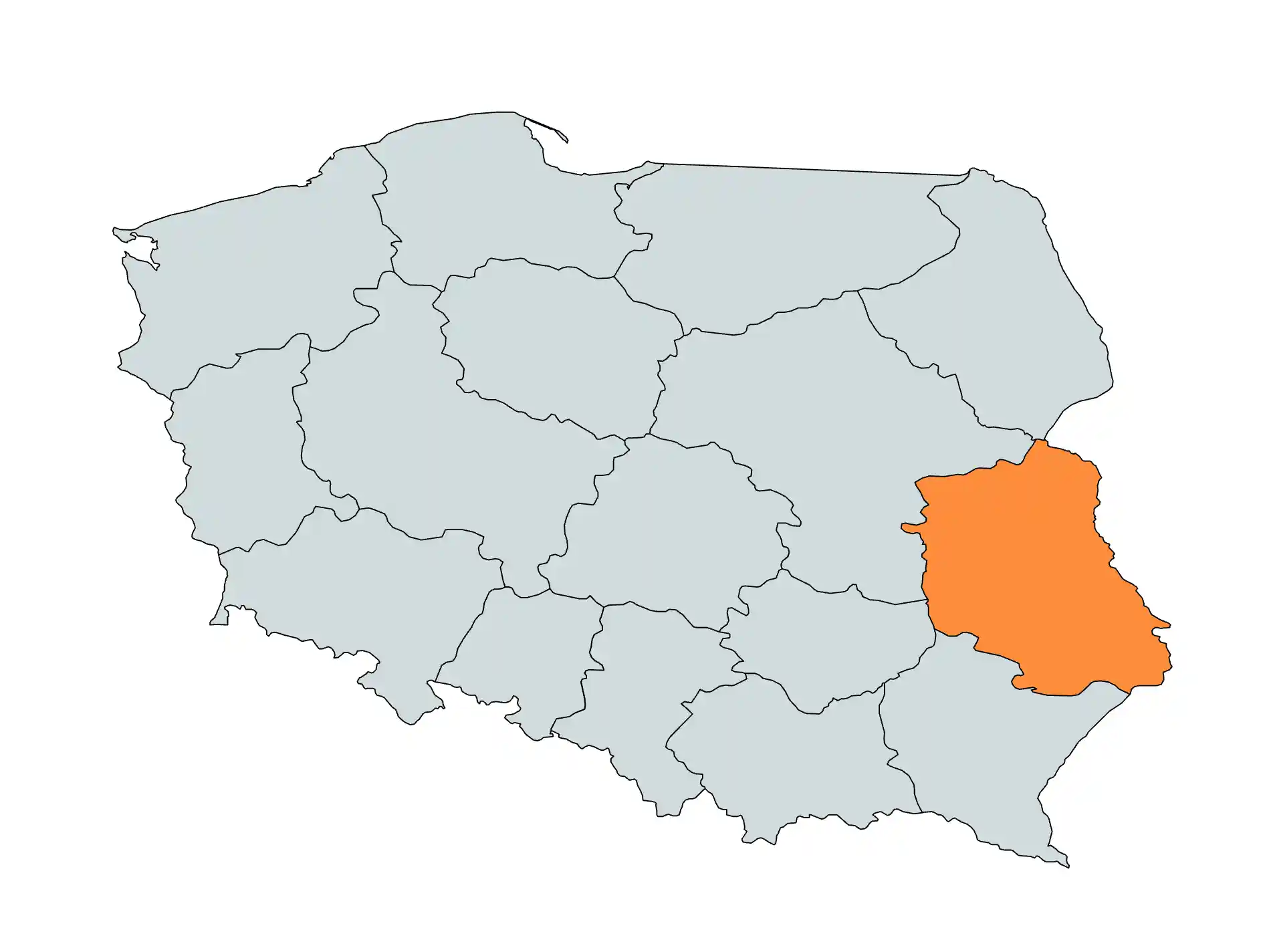
The Lublin region is a place of white stone and vast wetlands where the east meets the west in a mix of cultures. This area is a top choice for an eastern Poland nature drive that takes you through the wild woods of the Roztocze hills. You can find the town of Kazimierz Dolny where the Renaissance houses are carved from light limestone and the river flows past old granaries.
Drive south to see the Zamość fortress city which was built to be a perfect model of a town with wide squares and colorful arches. The roads here pass through fields of hops and tobacco that turn the landscape into a sea of green in the summer months. You can explore the Polesie marshes on long wooden boardwalks where rare birds nest in the thick reeds.
The history of the region is felt in the quiet forests where wild horses roam free in the protected parks. You can visit the Janów Podlaski stud farm to see some of the finest horses in the world in their historic stables. From the deep gorges of the Loess hills to the quiet border river of the Bug this region is a peaceful escape into a simpler way of life.
Lublin (region) highlights
- Kazimierz Dolny Gorges Walk through deep paths in the soft earth where the roots of trees hang over your head like a ceiling. The town nearby is a world of white stone and art galleries by the river.
- Zamość Ideal City Drive into a town built in a perfect star shape with a main square that has a bright pink town hall. Every street was planned to be beautiful and the arches are painted in many colors.
- Roztocze Waterfalls Find the small "noise" falls where the river steps over stone ledges in a deep green forest. It is a cool and quiet place to hike away from the busy main roads.
- Janów Podlaski Horses Visit the most famous horse farm in the land to see white arabian horses in their royal stone stables. The fields are wide and green and the history of the farm is very long.
- Polesie Marshes Walk on long wooden bridges over a sea of reeds and dark water where rare birds build their nests. It is a wild and flat land that looks the same as it did a thousand years ago.
- Arian Tower in Krynice Stop at this lonely stone tower that sits on a hill and was once used as a secret tomb. It is a strange and unique sight that rises out of the quiet farm fields.
- Lublin Village Museum Explore a huge park filled with wooden mills and farmhouses brought here from across the eastern woods. You can see how people baked bread and worked the land in the past.
- Kozłówka Palace Tour a grand house that still has all its silk walls and crystal lights exactly as the nobles left them. The garden is full of red roses and stone statues of old leaders.
- Bug River Border Drive along the river that marks the edge of the east to find quiet spots for a picnic on the bank. The water is slow and the trees are thick with birds and wild life.
- Chełm Chalk Tunnels Go under the town to find a maze of white tunnels carved into the chalk by the hands of people long ago. You might even see the ghost of a white bear that guards the maze.
The local Four
History of Lublin (region)
The Lublin region was the golden gate to the east where routes from the orient met the roads of the west. Merchants brought spices and silk to white stone markets of the Renaissance towns that rose along the river. This rich past is the star of an eastern Poland nature drive where the wild woods of Roztocze hide the ruins of the 17th century Zamoyski estate.
In the year 1580, a grand lord named Jan Zamoyski built a "perfect city" in the fields and called it Zamość. He hired an Italian architect to carve stone arches and paint the town in bright colors to rival the beauty of Padua. This city of light stood as a shield for the nation, surviving a massive siege by the Swedish army in 1656.
The deep forests of the region became a sanctuary for rare wild horses and white storks that have nested here for centuries. You can visit the Janów Podlaski stud farm, founded in 1817, to see some of the most expensive Arabian horses in the world. It is a land of peace where the white limestone hills and slow green rivers tell a story of a world that refuses to rush.