

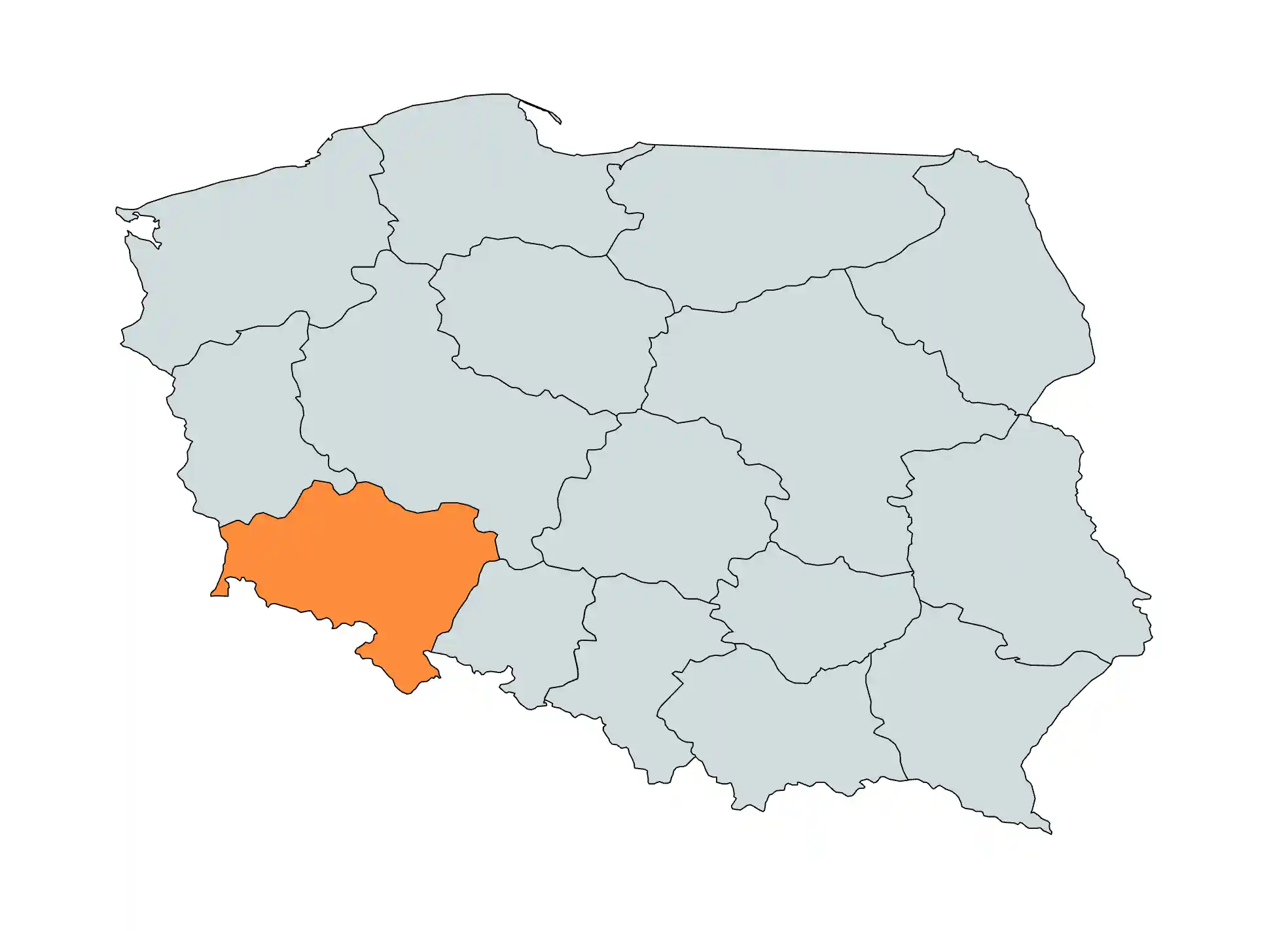
Lower Silesian is a land of mystery where secret tunnels and fairy tale castles are hidden under the mist of the Owl Mountains. This region is the heart of the Lower Silesia castle trail with more grand estates than any other part of the country. You can find the massive Książ Castle sitting on a green hill with a secret world of bunkers dug deep into the rock below it.
Follow the road to the Giant Mountains where the peaks are covered in snow for much of the year and waterfalls crash over granite rocks. You can visit the Vang Stave Church which was brought here all the way from Norway and built without a single metal nail. The winding mountain roads are a dream for drivers offering a new view of a valley or a ruin at every sharp turn.
Your journey takes you through the Bolesławiec area where locals still paint fine blue pottery by hand in small workshops. You can stop at the Czocha Castle to see a fort that looks like a movie set with its high towers and dark moat. Whether you are looking for hidden gold or just a quiet park to walk in this region is full of secrets waiting to be found.
Lower Silesian highlights
- Książ Castle Tunnels Explore a massive pink palace that hides a secret world of concrete bunkers dug by the nazis deep in the rock. The gardens on the terraces offer a view over the deep green valley.
- Church of Peace Jawor Step inside a giant wooden church built without a single metal nail that can hold thousands of people. The walls are covered in colorful paintings and gold that glow in the light.
- Table Mountains Hike through a maze of rocks that look like giant mushrooms and high stone tables with flat tops. The paths go through narrow gaps where you have to squeeze between the cold stone walls.
- Czocha Castle Visit a fort that looks like a secret school for magic with its hidden doors and dark stone stairs. It sits on a lake and has a bridge that looks perfect in the morning mist.
- Bolesławiec Pottery Stop in this town to watch artists paint white clay with blue circles and flowers using small sponges. You can buy a cup or a plate to take a piece of the region home with you.
- Skull Chapel Czermna Enter a small room where thousands of real bones and skulls cover the walls and the ceiling in patterns. It is a spooky but famous site that reminds visitors of the short path of life.
- Vang Stave Church See a wooden church that was built in Norway and moved to the mountains here piece by piece long ago. It sits high up in the pine woods and smells of old tar and pine.
- Srebrna Góra Fort Walk the walls of the largest mountain fort in Europe which was built to stop the march of great kings. You can see the deep moats and the massive stone towers that held giant guns.
- Project Riese Go deep into the Owl Mountains to see giant tunnels dug into the rock for a secret project that was never finished. The air is cold and the history of the place is full of dark secrets.
- Kłodzko Fortress Explore a massive stone city of war with a maze of tunnels that you have to walk through in the dark. The view from the top shows the old town and the river bridge below.
The local Four
History of Lower Silesian
Lower Silesian is a land of hidden gold and secret tunnels where every mountain holds a mystery. For centuries, kings from Poland, Bohemia, and Prussia fought to own the rich silver mines and the high peaks. This struggle created the Lower Silesia castle trail, featuring over 100 grand estates, including the massive Książ Castle, which has stood since the 1200s.
During the final years of World War II, the mountains were hollowed out by a secret Nazi project known as Riese (The Giant). Huge tunnels, some 10 meters high, were dug into the rock at Włodarz and Osówka to hide secret weapons. These dark caves still guard their secrets today while the white towers of the castles sit on the cliffs above them like a dream.
The region is also home to the master glass blowers and pottery artists of Bolesławiec, who have painted white clay since the 17th century. You can visit the Vang Stave Church, a wooden wonder built in Norway in the 1200s and moved to the mountains here in 1842. From secret gold trains to ancient timber, this land is a treasure chest for the curious.