

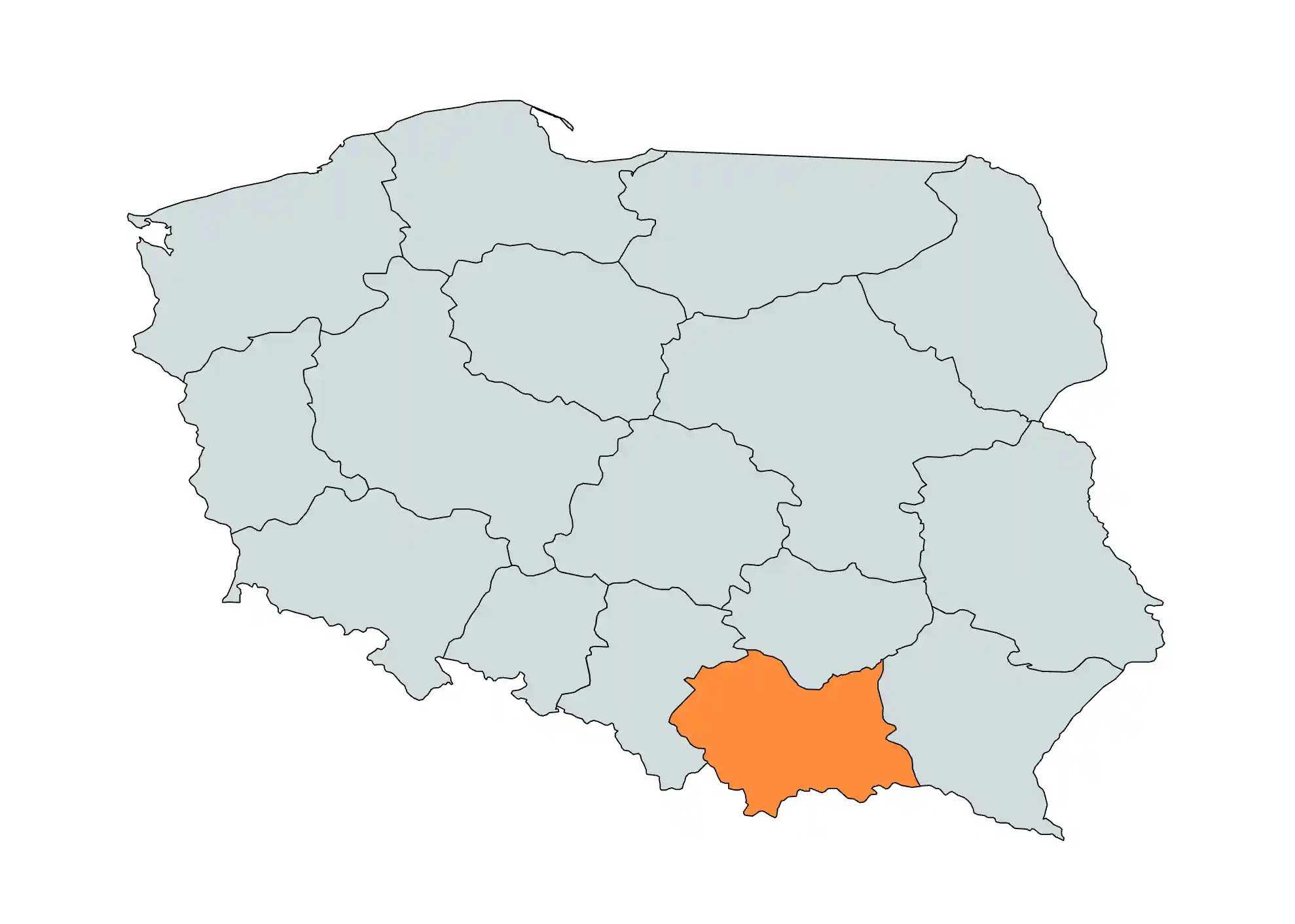
Lesser Poland is a world of high peaks and deep caves where the land rises to touch the clouds in the south. This region is famous for the Tatra mountains scenic route which offers some of the most dramatic views in the heart of Europe. You can leave the valleys behind to find crystal lakes like Morskie Oko that sit like blue jewels at the foot of grey rock walls.
The road takes you through the Dunajec River Gorge where high cliffs of white limestone rise hundreds of meters above the water. You can watch the local raftsmen in traditional dress guide their wooden boats through the fast current of the mountain stream. Nearby the salt mines of Wieliczka hide a secret city deep underground with churches and statues carved entirely from blocks of salt.
As you head north the mountains turn into the rolling hills of the Eagle Nests trail where stone castles sit on top of rocky crags. These forts were built to guard the trade roads and now offer a perfect backdrop for a day of exploring. From the wooden churches of the highlands to the vast pine forests of the Ojców park this region is a playground for those who love the wild side of nature.
Lesser Poland highlights
- Morskie Oko Lake Hike to the "Eye of the Sea" which is a deep blue lake sitting in a bowl of high granite peaks. It is the most famous view in the south and feels like a scene from a dream.
- Wieliczka Salt Chapel Go deep under the earth to find a cathedral made entirely of salt where even the lights are carved from crystals. You can walk through miles of dark tunnels that were dug by hand over many years.
- Dunajec River Raft Sit on a wooden raft as a local guide in a blue vest takes you through a deep limestone gorge. The white cliffs rise hundreds of meters above the water as you float past the border.
- Zalipie Painted Village Visit a town where every house and barn is covered in colorful flowers painted by the local women. Even the dog houses and wells are bright with art making it the most colorful spot in the land.
- Niedzica Castle Explore a stone fort that sits on a cliff over a blue lake and is said to hide a secret Inca treasure. The view of the towers against the water is one of the best on the southern road.
- Chochołów Wooden Village Drive through a street of bright white wooden houses that are washed with soap and water every single year. It feels like a living museum of highland life from a long time ago.
- Pieskowa Skała Castle See a white palace built into a tall limestone rock that looks like a giant club poking out of the woods. It is a key stop on the trail of the eagle nest castles.
- Tyniec Abbey Visit the oldest monastery in the land which sits on a high rock over the silver Vistula river. You can buy honey and herbs made by the monks according to very old secrets.
- Oravka Wooden Church Find this hidden dark wood church to see walls covered in paintings of kings and saints from the old times. The smell of old wood and the quiet air make it a very peaceful stop.
- Mount Gubałówka Take a fun car up the hill to get a wide view of the jagged peaks of the high mountains. It is the best place to see the scale of the southern peaks without a long hike.
The local Four
History of Lesser Poland
Lesser Poland is a land of kings who ruled from Wawel Hill, a castle built above a real dragon cave. For centuries, the gold and silver of the nation flowed through the mountain passes and into the royal vaults. This history makes the Tatra mountains scenic route a journey through a kingdom of rock where peaks reaching 2,499 meters served as a natural wall.
Deep under the soil, miners spent over 700 years carving a secret city out of solid grey salt in Wieliczka. Starting in the 13th century, they built giant chapels, like the St. Kinga Chapel, where even the chandeliers are made of salt crystals. Above them, King Casimir the Great built the Eagle Nest castles in the 1300s on white limestone cliffs to watch over trade roads.
The highlanders of the south lived a wild life in the shadow of the jagged peaks. In the 19th century, they perfected the Zakopane style of building, creating wooden churches like the one in Dębno (built in 1494) without using a single iron nail. Their bold spirit remains the soul of the region where the mountains meet the mist in a land of myth and salt.