

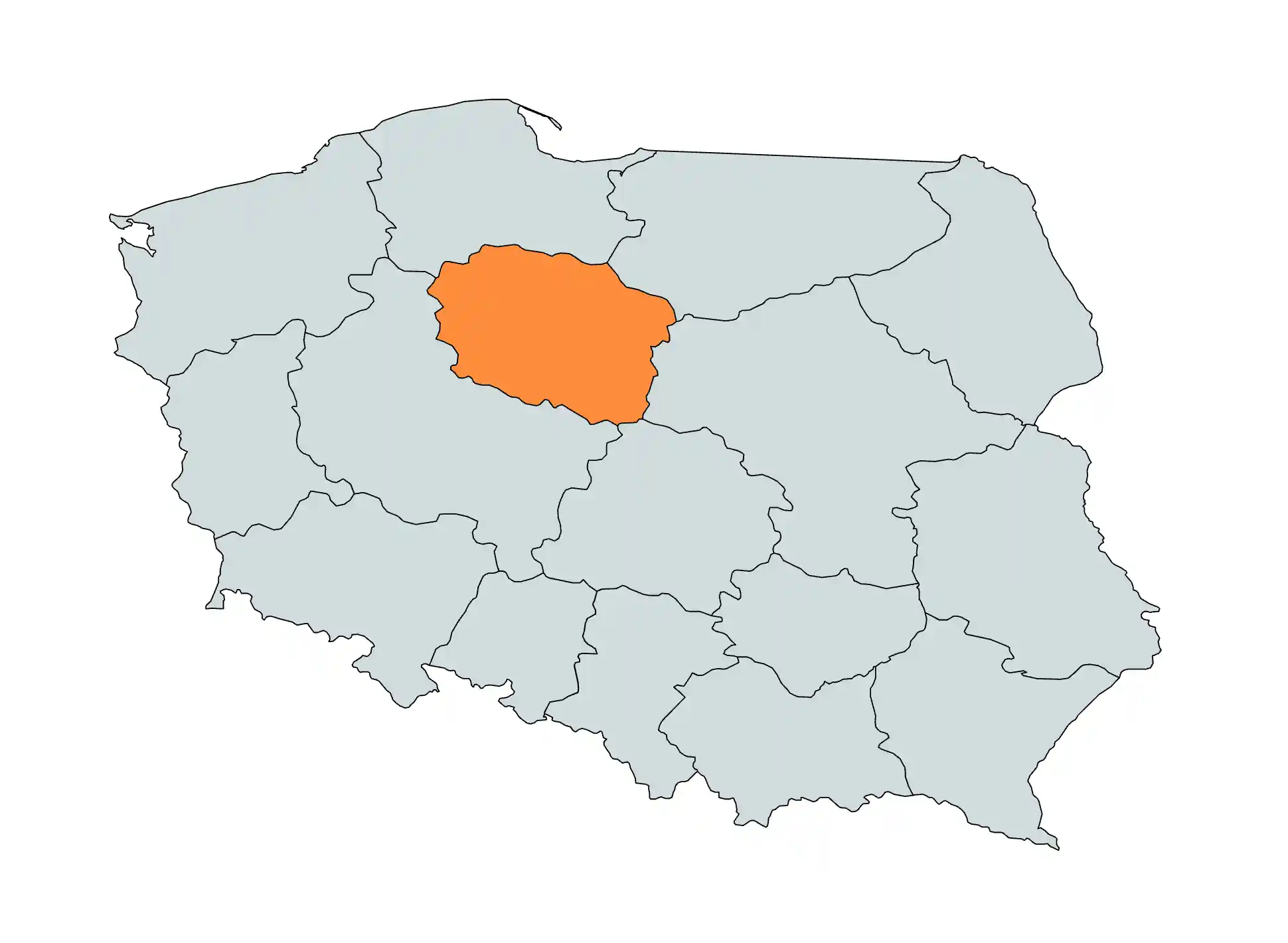
Kuyavian-Pomeranian is a region of red brick and moving water where the mighty Vistula river carves its way through the plains. This area is the core of a Vistula river valley road trip featuring medieval towns that look like they were pulled from a storybook. You can spend your morning walking the thick walls of Chełmno where the streets are filled with the scent of wild flowers and history.
Drive to the town of Ciechocinek to see the giant wooden walls of the salt graduation towers that create a salty mist in the air. These massive structures were built to heal people and still stand as a unique sight in the middle of a lush green park. The roads here wind past small farmsteads and old windmills that have stood against the wind for hundreds of years.
Your trip would not be complete without a stop at the Golub Dobrzyń castle where knights once held grand tournaments. You can climb the stone stairs to look out over the river and see the same view that the Teutonic monks saw in the middle ages. It is a region of quiet beauty where the slow flow of the river and the strength of the brick walls tell a tale of peace and trade.
Kuyavian-Pomeranian highlights
- Ciechocinek Salt Walls Walk near the giant wooden towers that let salty water drip through blackthorn branches to heal the lungs of visitors. These massive structures create a cool salty mist that you can feel on your skin.
- Chełmno City Walls Follow the circle of high brick walls that guard this medieval town known as the city of love. The streets are narrow and full of gothic churches that look exactly like they did centuries ago.
- Biskupin Archeology Park Explore the dark timber houses of an ancient lake tribe that lived here long before the age of knights. It is a unique look at the dawn of human life in the northern plains.
- Golub Dobrzyń Castle Climb to the top of this thick stone fort where knights once held grand games on their heavy horses. The view from the walls covers the green valley and the winding river for miles.
- Tuchola Forest Lakes Drive through a vast sea of pine trees to find hidden blue lakes that are perfect for a summer swim. This wild forest is one of the quietest places in the land for a nature break.
- Wenecja Narrow Train Ride a tiny vintage train through the fields to see a museum of old iron machines and a castle ruin. The name means Venice because the land is full of small lakes and water paths.
- Bydgoszcz Canal Park your car and take a water tram through the heart of the city to see old granaries reflected in the water. The river banks are lined with parks and cafes where you can watch the boats pass.
- Brodnica Lake District Rent a small boat to find a quiet bay in this region of over a hundred blue lakes and green hills. The roads here are narrow and wind through deep woods that stay cool in the heat.
- Krzeszkowice Windmill Stop at this old wooden giant to see how grain was turned into flour by the power of the wind. It is a rare sight on the flat plains and makes for a great photo stop.
- Świecie Castle Ruin Walk the hollow halls of a brick fort that sits where two rivers meet in a wide green valley. The high tower still stands as a lonely guard over the water and the fields.
The local Four
History of Kuyavian-Pomeranian
Kuyavian-Pomeranian grew from the wealth of the silver river that brought salt and grain to the sea. In the 1230s, the Teutonic Knights marched into this land and built high brick castles, like the one in Toruń, that glow red against the blue water. This area is the core of a Vistula river valley road trip where every bend in the stream hides a fort built by monks.
The sky here once belonged to Nicolaus Copernicus, who was born in Toruń in 1473 and studied the stars from thick stone towers. While he moved the earth with his math, local bakers were busy mixing honey and spice to create gingerbread for royal guests. These sweet scents still fill the narrow Gothic streets where the heavy brick walls have stood firm since the 14th century.
Industrial magic arrived later as men built giant wooden towers to pull salt from deep under the ground. In the 1820s, these towers at Ciechocinek, some over 15 meters high, created a healing mist that turned the region into a famous spa. From the knights of the Middle Ages to the salt masters of the industrial age, this land is a tribute to the power of the river.