

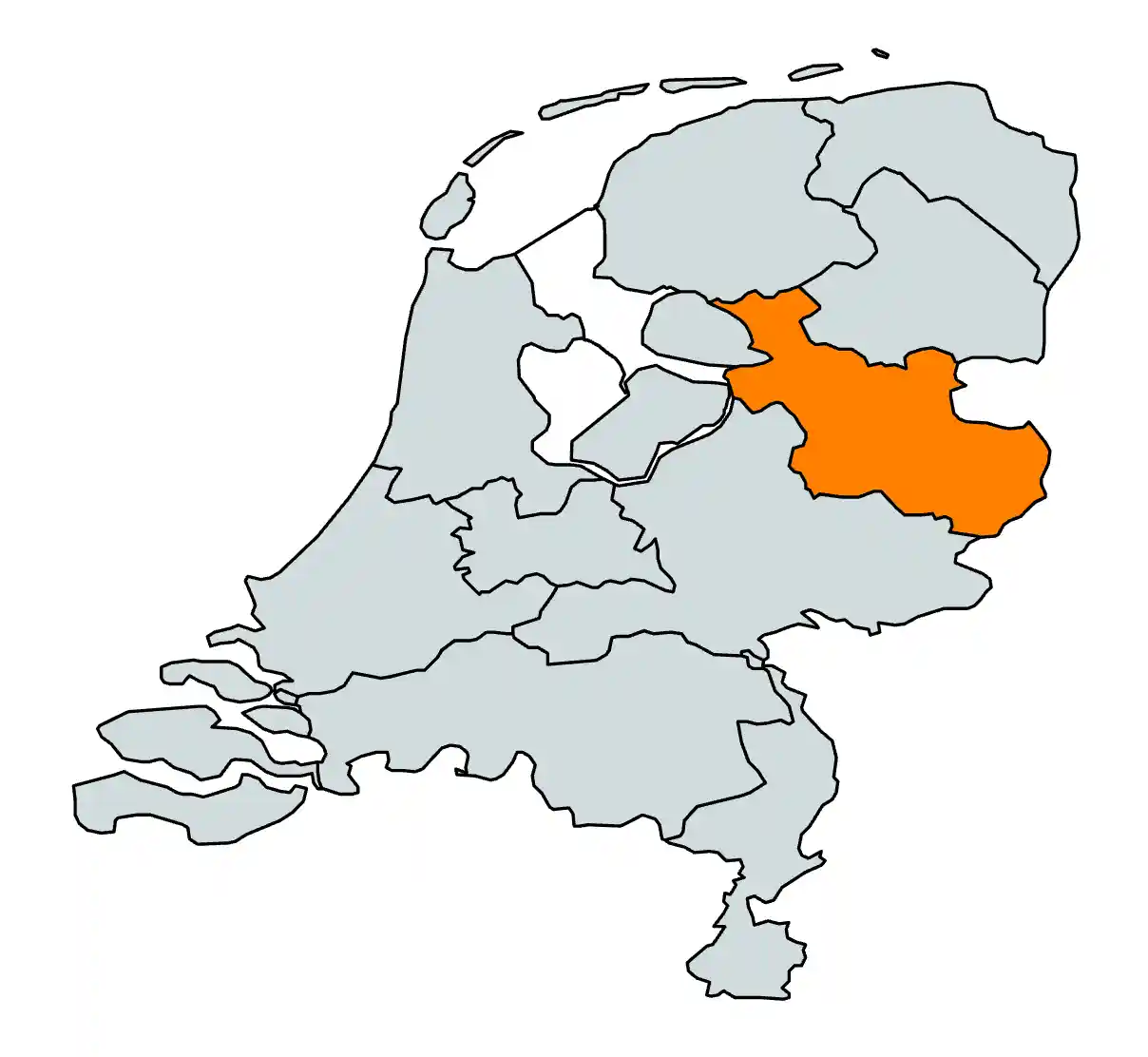
Overijssel is a province of rivers, forests and historic towns tucked between the IJssel River and the German border. Its landscapes range from winding waterways to heathlands, perfect for cycling, hiking or exploring by car. Cities like Zwolle and Deventer have history with modern culture, offering lively markets, cozy cafés and historic buildings. Small villages such as Giethoorn, often called the “Venice of the North,” showcase waterways lined with thatched-roof houses and footbridges.
Overijssel is also rich in nature reserves. The Weerribben-Wieden National Park, one of Europe’s largest wetlands, is home to rare birds, beavers, and water canals that invite boat trips and walks. Overijssel combines natural beauty with culture and history. It’s a province where travelers can discover both the quiet charm of the countryside and the character of Dutch towns.
Overijssel highlights
- Zwolle The provincial capital combines medieval streets with modern culture. Highlights include the Sassenpoort city gate, Museum de Fundatie for art with markets and cafés.
- Weerribben-Wieden National ParkA vast wetland of canals, lakes and marshes. Perfect for boating, cycling and birdwatching. This park is home to rare species like beavers and white-tailed eagles.
- Giethoorn Often called the “Venice of the North,” Giethoorn is a village of canals, thatched-roof houses and wooden footbridges. You can explore by boat, bike or on foot to enjoy its peaceful charm.
- Deventer One of the oldest towns in the Netherlands, Deventer is famous for its historic city center, book market, and the impressive Lebuinus Church. Seasonal festivals make it a lively destination
- Sallandse Heuvelrug National Park Hills, heathlands and forests that are perfect for hiking, cycling and panoramic viewpoints. Home to deer, wild boar and rare plants.
- Kampen A Hanseatic city with beautiful old harbor areas, city gates,and the iconic Bovenkerk church. A great stop for history enthusiasts.
The local Four
History of Overijssel
Its name dates back to 1528 when Emperor Charles V bought the land from the bishop of Utrecht. Before that, the area was known as Oversticht. Overijssel quickly grew into a region with towns that played important roles in trade and culture.
Its location along the IJssel River made it a key area for transport and commerce, connecting inland towns to the North Sea. The province has a past marked by wars and changing rulers, especially during the Eighty Years’ War when it switched hands between Spanish troops and Dutch rebels. Despite the turmoil, the province thrived with important centers of the Hanseatic League, a powerful trading network. The region’s waterways were used not just for trade, but also for fishing and peat extraction.
The province witnessed floods, wars, and economic shifts, yet its towns retained their historic charm and unique identities. Canals, windmills, and timbered houses reflect centuries of Dutch life and ingenuity.
Modern Overijssel balances history and nature. Roads now link historic towns like Zwolle, Kampen and Deventer. It's an opportunity to explore the Hanseatic heritage, medieval architecture and scenic landscapes that have defined the province for over a thousand years.