

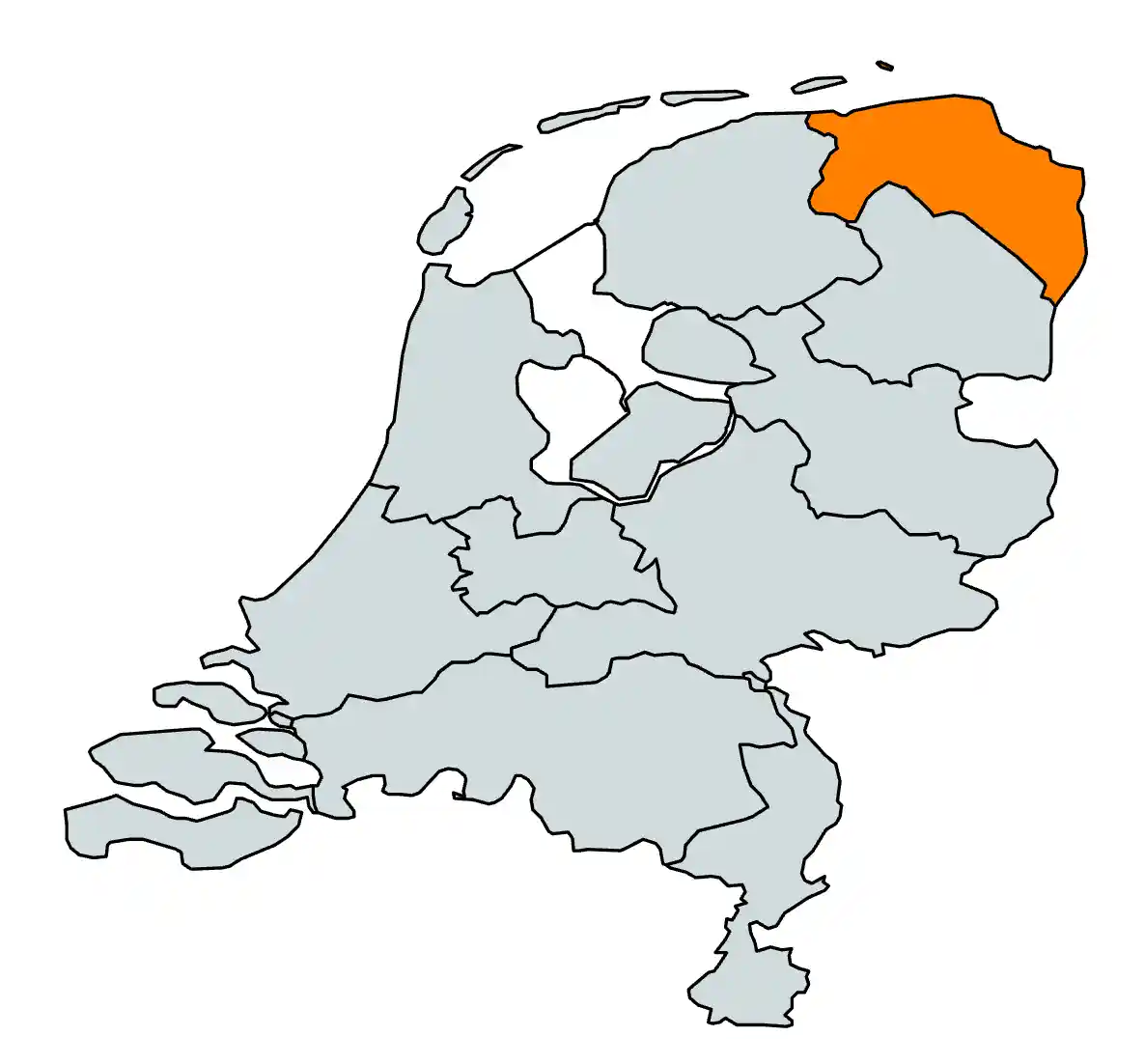
Groningen is a province of wide skies, fertile fields and lively cities. The provincial capital, also called Groningen, is known for its vibrant student life, striking modern architecture, and historic buildings.
Beyond the city, the province is a landscape of polders, meadows and historic villages. You can explore windmills, centuries-old churches and quiet canals that showcase traditional Dutch charm. Groningen is also home to unique nature reserves, like the Lauwersmeer, which is perfect for birdwatching, cycling and waterside walks.
The northern coast of Groningen stretches from quiet beaches to charming fishing villages where you can watch the tide roll in. Inland, meadows and canals invite cycling and leisurely walks, while small towns hide historic churches, local markets and cozy cafés. Groningen offers a journey through Dutch life both lively and serene.
Groningen highlights
- Groningen City The vibrant provincial capital is full of culture, historic architecture, and modern design. Don’t miss the Martini Tower, Groningen Museum and the lively surroundings in the city center.
- Lauwersmeer National Park A scenic area of lakes, meadows and reed beds. Ideal for cycling, walking and birdwatching with opportunities to spot geese, storks and other wildlife.
- Schiermonnikoog A peaceful island with sandy beaches, dunes, and small villages. Perfect for cycling, nature walks, and escaping the crowds.
- Bourtange Fortress A star-shaped fortress town from the 16th century. Explore its walls, canals, and historic buildings while learning about its military history.
- Appingedam Known for its houses with hanging kitchens over the Damsterdiep canal. This picturesque town has a medieval charm with unique architecture and narrow streets.
The local Four
History of Groningen
Early settlers built their homes on artificial mounds called wierden to protect themselves from flooding long before dikes existed. These small communities grew into trading hubs and by the Middle Ages the city of Groningen had become a powerful member of the Hanseatic League. Connecting the region to ports across northern Europe.
The province fought a constant battle with water. Large areas were slowly reclaimed from the sea, creating the broad polders and rich farmland that define the landscape today. Villages, monasteries and forts sprang up across the region. Leaving behind traces of medieval life that can still be explored on foot or by bike.
In the 16th and 17th centuries, Groningen found itself at the center of conflicts between the Dutch Republic and Spanish forces. The famous Siege of Groningen in 1672, now celebrated annually on Gronings Ontzet, securing the city’s place within the Dutch Republic.
Groningen combines the energy of a youthful university city with historic villages, fortress towns and open landscapes.