

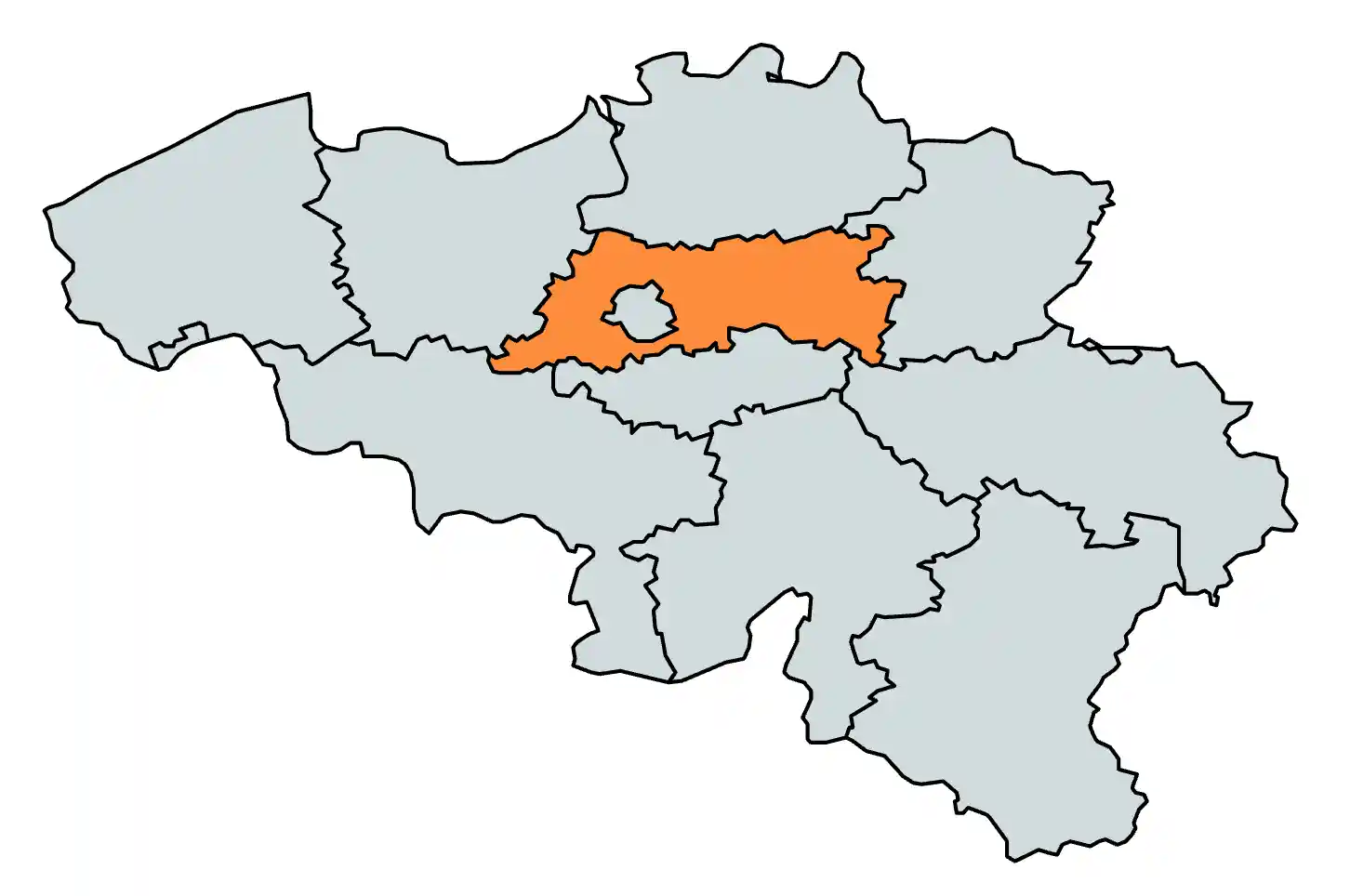
Flemish Brabant is a province of contrasts, where lively cities meet quiet countryside, historic towns mingle with modern life, and cultural heritage blends seamlessly with natural landscapes. Its towns and villages have medieval architecture, lively squares and charming canals. The surrounding countryside is filled with forests, rivers and fields perfect for cycling and walking.
Leuven stands out with its university atmosphere, historic town hall and squares filled with cafés and local breweries. Smaller towns like Tienen, Zoutleeuw and Aarschot reveal centuries of history in their churches, streets and local markets. Nature lovers can explore Hallerbos famous for its springtime bluebell carpets or wander along the Dijle and Demer rivers.
Flemish Brabant is a province provides a rich and inviting backdrop for exploration.
Flemish Brabant highlights
- Leuven Dive into the lively university city with its ornate town hall, historic library and lively squares filled with cafés and breweries.
- Tienen Known for its sugar history, medieval churches and market squares. A quieter stop with local character.
- Dijle and Demer Rivers Scenic rivers ideal for kayaking, walking or cycling while enjoying countryside views and hidden villages along the banks.
- Groene Wandeling Trails Hidden hiking and cycling paths that wind through forests, meadows, and small villages away from the crowds.
- Hallerbos A magical forest famous for its carpet of bluebells in spring. Perfect for walking, cycling and photography.
The local Four
History of Flemish Brabant
Noble families built fortified towns and impressive estates, many of which still define the landscape today. Leuven rose to prominence with the founding of its university in 1425, quickly becoming a hub for scholars, artists and thinkers across Europe. Towns like Tienen, Aarschot, and Zoutleeuw grew around castles, churches and marketplaces.
The province was no stranger to conflict. Monasteries like Park Abbey and quiet parish churches became centers of learning, faith and community life. Preserving culture and knowledge through turbulent centuries.
By the 19th century, small-scale industry, transport connections and urban growth transformed Leuven, Vilvoorde and surrounding towns. Yet the countryside remained largely intact with forests, rivers and farmlands preserving the rural charm of Brabant.