

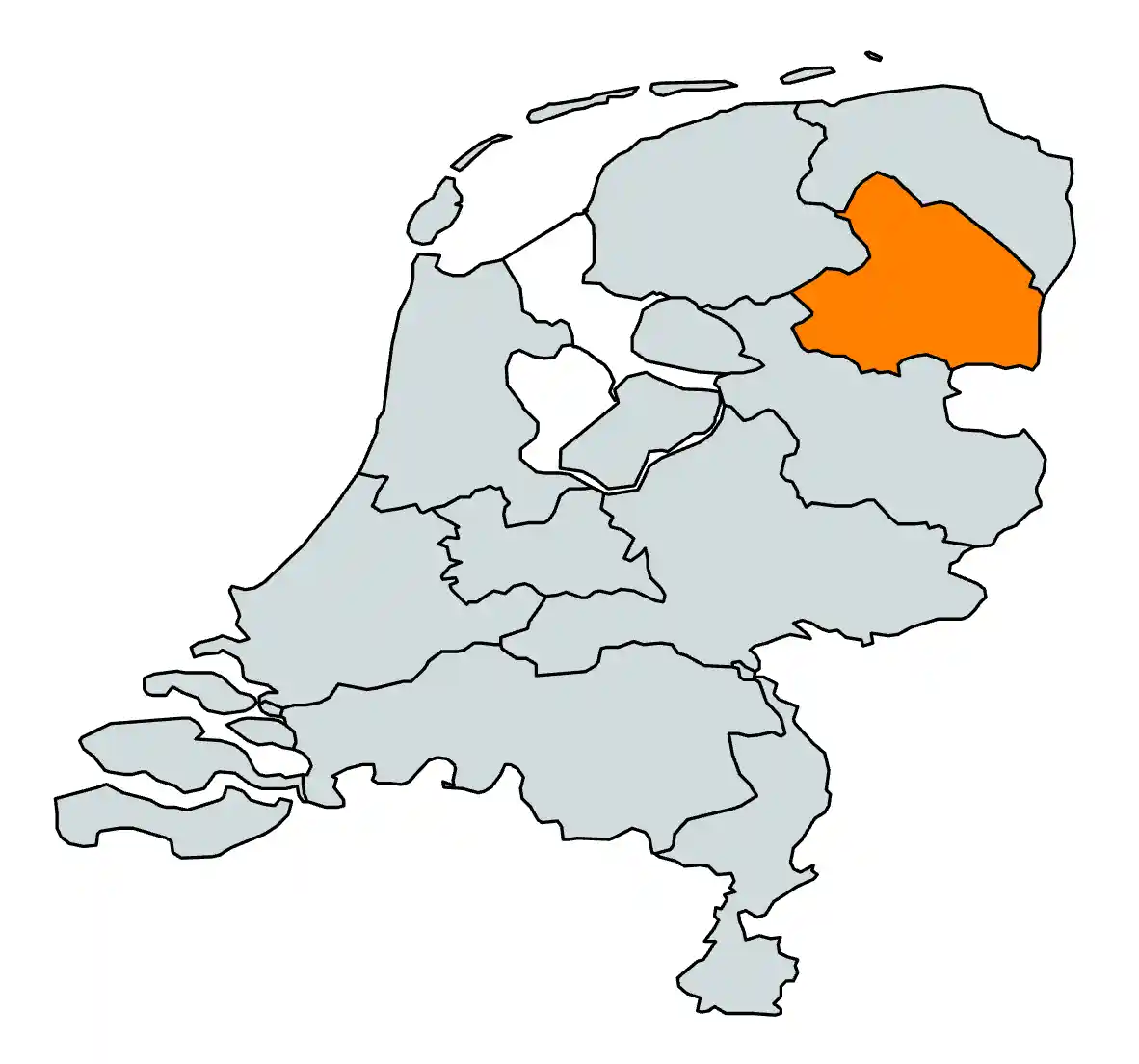
Drenthe is the place where the country feels wide and open, with heathlands that stretch to the horizon and forests that seem to swallow sound. The province is best known for its prehistoric hunebedden, massive stone tombs built more than 5,000 years ago. Many of them sit in calm nature reserves, surrounded by fields and grazing sheep.
Small towns like Dwingeloo, Diever and Orvelte offer a look into rural life with farmhouses, thatched roofs and streets that feel untouched by time. National parks such as Dwingelderveld and Drents-Friese Wold give you broad cycling routes, walking trails and skies full of stars at night.
Drenthe is also a great region for discovering untold stories. Former work camps and museums share important chapters of Dutch history. Scenic canal villages, lakes and forest-lined roads make it a relaxed and rewarding place for road trips.
It is a province where nature sets the rhythm. Where history lies in the open and where every journey feels calm. Drenthe is perfect if you want space, silence and a deep connection to the Dutch landscape.
Drenthe highlights
- Hunebedden (Megalithic Tombs) See some of the oldest structures in the Netherlands. Massive stone graves built over 5,000 years ago. The largest one, D27 in Borger, sits next to the excellent Hunebed Centre which explains their mysterious origins.
- National Park Dwingelderveld Europe’s largest wet heathland. Wooden boardwalks lead you across open plains, forests, and quiet pools. Great for sunrise hikes when the heath glows purple in late summer.
- Orvelte Living Museum Village. A beautifully preserved village where old crafts, wooden barns, and Saxon-style farmhouses paint a picture of rural life centuries ago.
- Meppel A charming historic town with friendly terraces along the water, old warehouses and small streets perfect for strolling.
- Drents Friese Wold National park with stunning dunes, woods and wide heather fields. Perfect for long cycling loops, horse riding and peaceful picnics deep in the forest.
The local Four
History of Drenthe
More than 5,000 years ago, early farming communities settled on the sandy ridges of the province and built the hunebedden, the massive stone burial chambers that still stand today. These ancient monuments mark Drenthe as one of the most important prehistoric regions of northwestern Europe.
From the 17th century onward peat became Drenthe’s main resource. Large peat colonies developed as workers cut and transported peat for fuel across the Netherlands. Canals were dug to move the peat, shaping many of the straight waterways and settlements that now define parts of the province.
By the 19th and 20th centuries Drenthe remained quiet and rural, but its natural beauty started to draw visitors. National parks were created, protected heathlands were restored and tourism began to grow. Today its ancient stones, historic villages and peaceful nature makes Drenthe one of the most atmospheric and timeless regions in the country.