

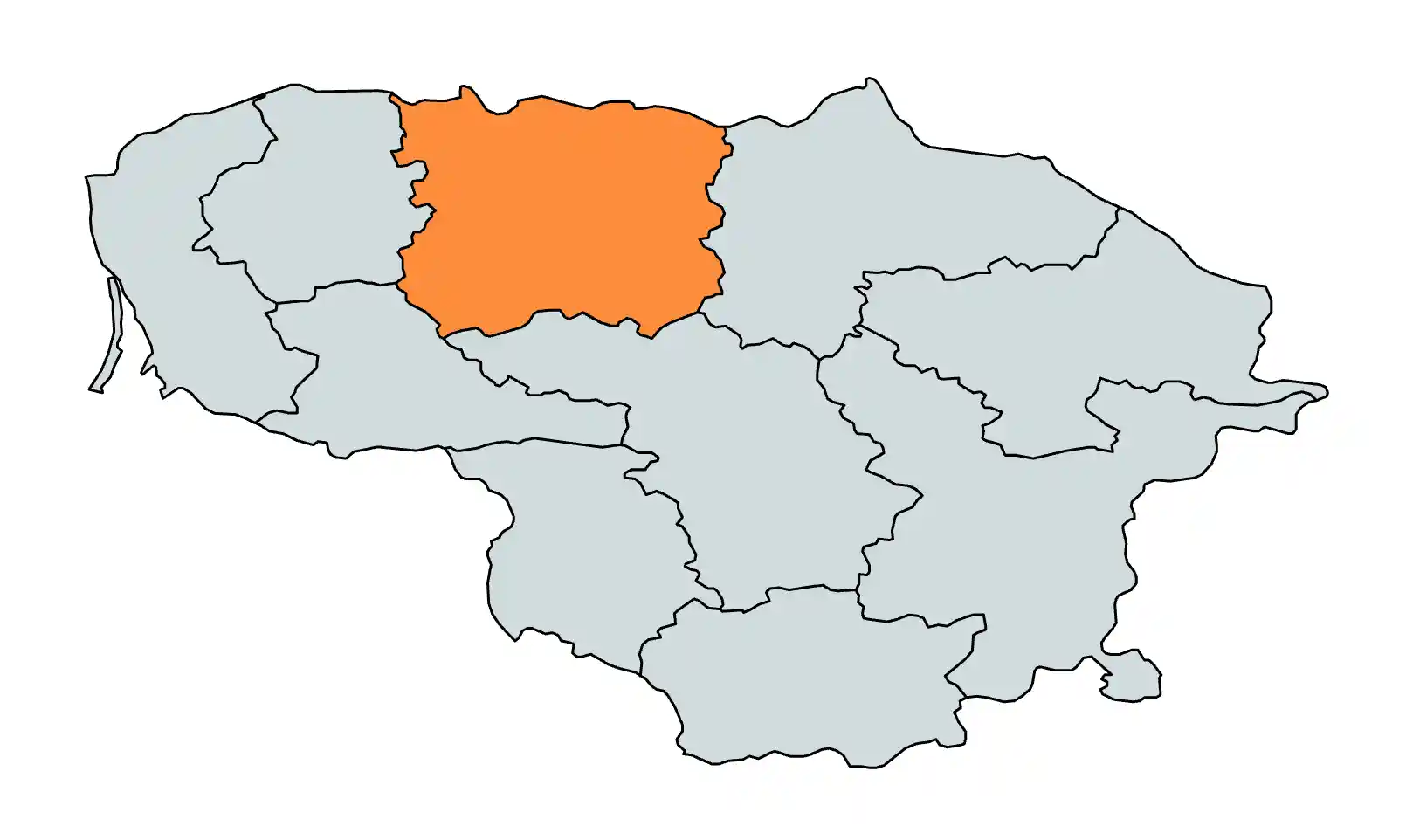
Šiauliai County is a place of powerful symbols and mystical landscapes. The Hill of Crosses stands as the most famous landmark where hundreds of thousands of crucifixes create a forest of wood and metal on two small mounds. It is a site of silence and resilience that feels different every time the wind blows through the hanging rosaries.
The landscape is a patchwork of lakes and ancient hillforts where the sun was once worshipped by the Baltic tribes. You can explore the Kurtuvėnai Regional Park to see old wooden barns and manor stables or hike around the iron fox sculpture by the lake shore. The city center is a hub of industrial history with museums dedicated to bicycles photography and chocolate.
In the northern part of the county the plains stretch toward the border where small towns hide quirky museums of cats and coins. The botanical gardens are a highlight in the spring when thousands of flowers bloom in the shadow of the tall cathedrals. Šiauliai County is a region of legends and faith where the history of the people is carved into every piece of wood.
Šiauliai (county) highlights
- The Hill of Crosses This world famous pilgrimage site features hundreds of thousands of crosses of every size and material. It is a powerful symbol of national identity and faith that is best visited during the quiet morning hours.
- Kurtuvėnai Regional Park Drive through a landscape of hills and lakes to find a massive wooden barn that hosts folk concerts. The park is also famous for its horse riding trails and old manor ponds.
- The Iron Fox Stop by the shore of Lake Talkša to see the largest animal sculpture in the country. This massive metal beast is a favorite spot for photos and a symbol of the modern local spirit.
- Žagarė Cherry Garden Visit this northern town during the cherry blossom season to see thousands of trees in bloom. The town is also known for its unique houses decorated with pots and pans.
- Baisogala Manor Explore this grand estate known for its ornate architecture and the large stables that still house horses. The park is a perfect spot for a break on the long road toward the north.
- The Chocolate Museum Learn the sweet history of the Rūta factory which has been making treats for over a century. You can even try making your own candy in one of the interactive workshops.
- Venta Rapid Discover the widest waterfall in the country where the river flows over limestone steps. It is a beautiful natural spot for a walk especially in the spring when the water is high.
- The Bicycle Museum See a collection of two wheeled machines ranging from ancient wooden bikes to modern racing cycles. It is a fun and quirky stop in the city that celebrates the local love of cycling.
- Šiauliai University Botanical Garden Walk through a quiet oasis of rare plants and flowers from all over the world. The rock garden and the collection of mountain plants are particularly impressive.
- Kryžbarkas Mound Hike to the top of this ancient hillfort for a view of the rolling meadows. It is a quiet and less visited site that offers a peaceful connection to the pagan past of the region.
The local Four
History of Šiauliai (county)
Šiauliai County is the spiritual and industrial powerhouse of the north rooted in the 1236 Battle of Saulė where Baltic tribes crushed the Livonian Brothers of the Sword. This victory cemented the region’s role as a pagan stronghold until the late 1300s. In the 1800s the Hill of Crosses emerged as a site of national resistance where thousands of crucifixes were planted to honor fallen rebels.
Parallel to this spiritual history the region became a global leather manufacturing center under the Frenkelis family who operated the largest tannery in the Russian Empire. By the early 1900s the county was the epicenter of the bicycle and candy industries with factories like Rūta exporting sweets worldwide. This industrial wealth funded grand villas and the first theaters in the region creating a sophisticated urban culture.
In 1919 the region was the site of the decisive victory against the Bermontians a volunteer army of German and Russian imperialists. The landscape is dotted with ancient hillforts that served as the final line of defense for the northern tribes against western crusades. Today the county balances its role as a sacred site of pilgrimage with its legacy as an industrial leader.