

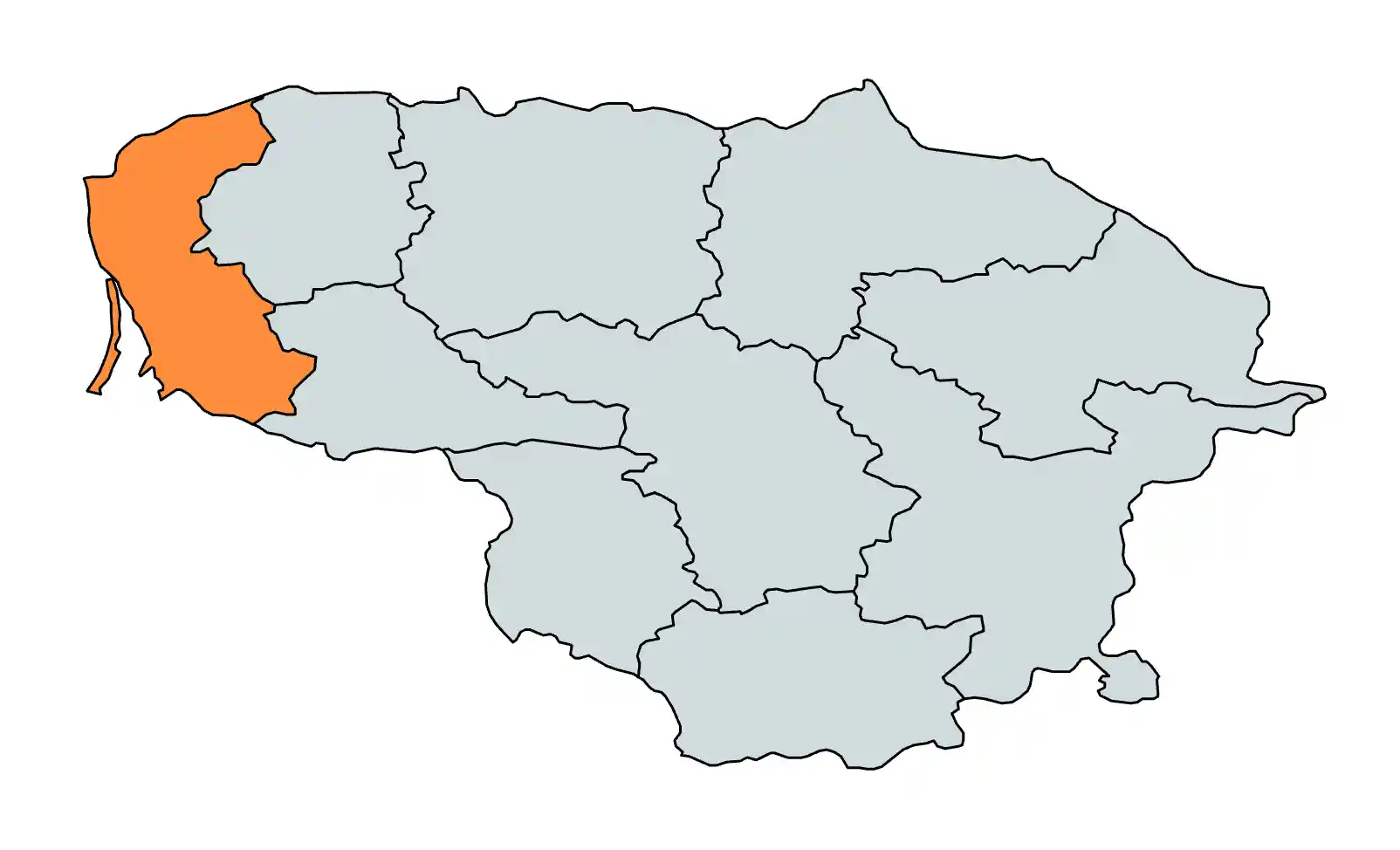
Klaipėda County is the edge of the world where the Baltic Sea meets a thin strip of drifting sand. The Curonian Spit is a marvel of nature with some of the highest dunes in Europe that shift with the winter storms. You can drive the coastal road through maritime forests where the trees are bent by the wind and the beaches are scattered with pieces of raw amber.
The port culture defines the region with colorful timber framed buildings and stone docks that smell of the sea. In Smiltynė the maritime museum sits inside a 19th century fort where you can see massive anchors and playful penguins. The seaside resort of Palanga offers long piers and botanical gardens while the quiet village of Nida is a sanctuary for artists and writers.
Venturing away from the waves you find the Ventė Cape where millions of birds migrate every year over the lighthouse. The region is a mix of German heritage and Baltic myth with sculpture parks that tell stories of sea giants and iron foxes. Klaipėda County is a place of wide blue horizons and the rhythmic sound of the surf that stays with you long after the trip ends.
Klaipėda (county) highlights
- The Curonian Spit Drive this thin strip of land where massive drifting sand dunes separate the Baltic Sea from a quiet lagoon. It is a world of shifting sands and pine forests that feels like a desert on the edge of the water.
- The Hill of Witches Walk through a forest in Juodkrantė filled with dozens of expressive wooden carvings of demons and folk heroes. These dark and whimsical statues bring the ancient legends of the coast to life.
- Nagliai Nature Reserve Explore the dead dunes where entire villages were once buried under the moving sand. A wooden path leads through this protected area offering a glimpse of the raw power of the wind.
- Ventė Cape Visit the bird banding station and the old red brick lighthouse at the edge of the lagoon. Millions of birds pass over this point during migration making it a world class spot for nature lovers.
- Palanga Amber Museum Located in a grand neo renaissance palace this museum holds one of the largest collections of Baltic gold in the world. The surrounding botanical park is perfect for a slow walk toward the sea.
- Dinosaur Park Radailiai This family friendly stop features life sized animatronic dinosaurs hidden among the trees. It is a fun and unexpected detour on the road toward the coast with plenty of activities for kids.
- The Dutchman's Cap Hike to the highest cliff on the Lithuanian coast for a view of the rocky Baltic shore. The cliff is constantly being eroded by the waves revealing ancient layers of clay and stone.
- Švėkšna Manor Discover this elegant estate with its gothic revival church and a park filled with exotic trees and statues. It is one of the most beautiful and well preserved manor complexes in the western region.
- Dreverna Observation Tower Climb this modern steel structure for a view over the lagoon and the distant dunes of the Curonian Spit. The nearby harbor offers small boat rentals for a quick trip on the water.
- Melnragė Pier Walk to the end of the stone pier to watch the massive cargo ships enter the port. It is the best spot to feel the power of the Baltic waves and see the city skyline from the water.
The local Four
History of Klaipėda (county)
Klaipėda County is a maritime borderland that operated under the Teutonic Order for nearly 700 years creating a distinct Germanic architectural and legal legacy. In 1252 the construction of Memelburg Castle established the region as a vital northern port for the Crusader states. During the 1807 Napoleonic Wars the county briefly served as the capital of the Kingdom of Prussia with Queen Louise residing in the port city.
The 19th century was marked by an engineering war against the shifting sands of the Curonian Spit where foresters planted millions of mountain pines to stabilize the massive Dead Dunes that had buried 14 villages. This Herculean effort created the unique forested landscape seen by road trippers today. In 1923 the local population staged the Klaipėda Revolt to reunite the territory with mainland Lithuania marking a major political shift.
The Klaipėda County also hosts the world’s oldest bird banding station at Ventė Cape established in 1929 to track millions of birds migrating along the Baltic Flyway. This scientific outpost remains a global center for ornithology due to its strategic position on the edge of the lagoon. The history of the county is a story of human endurance against the shifting elements of the sea and the sand.