

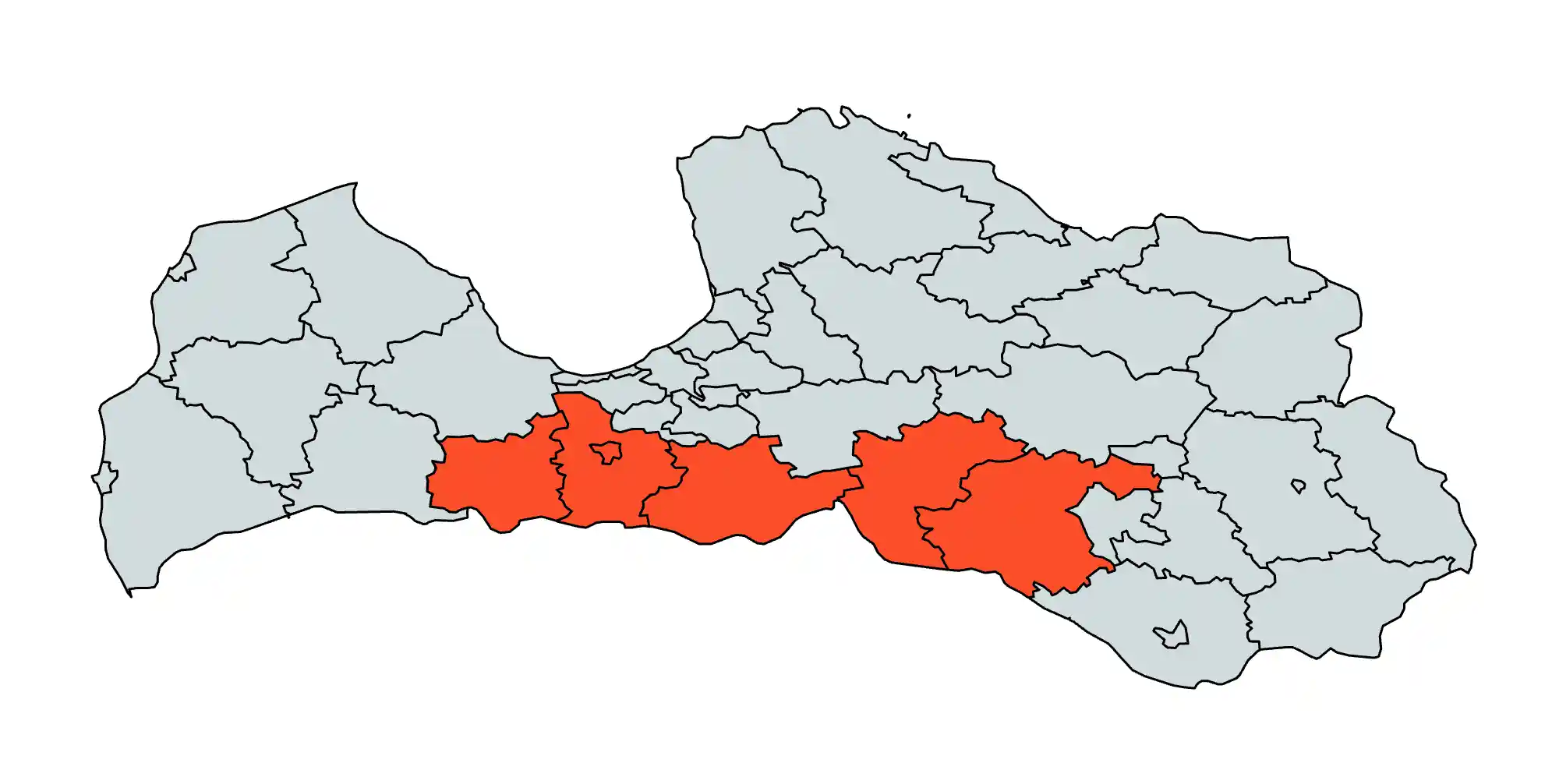
The Zemgale region is the place to speed across the vast golden plains of the Latvian breadbasket where the horizon stretches as far as the eye can see. This region is the center of the Southern Latvia palace route where the wealth of the old dukes is displayed in massive baroque estates. You are standing before the Rundāle Palace a masterwork of architecture with over a hundred gold leafed rooms and a rose garden that rivals the best in Europe.
A short drive away the Bauska Castle sits on a narrow strip of land where two rivers meet to form the Lielupe. You can explore the ruins of the old fortress and the renovated palace of the dukes that shows how the elite lived during the renaissance. The flat landscape makes for easy cruising past fields of wheat and rapeseed that turn the entire region into a sea of yellow during the summer months.
The story of the south is not just about royalty but also about the ancient Semigallian tribes who built their forts on the massive mounds you see rising from the plains. Visit the Tērvete Nature Park to walk through a fairytale forest of wooden sculptures and climb the observation tower for a view that reaches all the way to Lithuania. The Zemgale region combines grand visions and wide open spaces where the history of the soil is as rich as the palaces that stand upon it.
Zemgale (region) highlights
- Rundāle Palace Tour the massive rooms of the "Versailles of the North" with its gold walls and fine silk art. The rose garden is a sea of color and sweet scent in the bright light of the summer.
- Bauska Castle See where a medieval fort meets a grand palace on a strip of land between two fast rivers. You can see the old iron cannons and the fine rooms of the dukes who once lived here.
- Tērvete Nature Park Walk into a forest of wood carvings where giant spiders and witches hide in the old trees. It is a magical place for kids and adults to explore on foot through the pine woods.
- The Garden of Destiny Visit this quiet park on a river island that was built to honor the long history of the nation. It is a place of peace with stone paths and water views that makes for a calm stop.
- Koknese Ruins Look out at the stone walls that sit right at the edge of the deep Daugava river waters. Half of the old castle is now under the water after a large dam was built many years ago.
- Dobele Lilac Garden Visit in the spring to see one of the largest collections of purple flowers in the whole world. The scent fills the air for miles around the quiet garden paths and the green lawns.
- Zvirgzde White Dune Climb one of the highest inland dunes to see over the top of the dark pine forest for miles. It is a hidden sandy hill far away from the actual sea coast and very quiet.
- Pokaiņi Forest Walk among piles of mossy stones that some people believe have a strange and ancient power. The forest paths are quiet and feel full of old secrets as you walk through the trees.
- Jelgava Palace See the largest baroque palace in the Baltic states which sits on its own island in the river. It is a grand brick building with a very long and royal history that is still being told.
- Svitene Manor Find this hidden gem of a palace that is slowly being brought back to life by the local people. The quiet park and old stone walls are perfect for a quick road trip stop in the fields.
The local Four
History of Zemgale (region)
Zemgale was the region of the Semigallians, a tribe so fierce they burned their own forts and moved away rather than bow to the crusaders. They were master farmers who knew the secrets of the black soil and made the region the richest breadbasket in the north. This flat land allowed for vast fields of grain that fed the great cities and fueled the rise of powerful dukes.
The region reached its peak of glory when Italian artists and German masters built the grand Rundāle Palace in the middle of the fields. They used gold leaf and fine silk to decorate over a hundred rooms to show off the wealth of a duchy that had its own world navy. This "Versailles of the North" stands as a symbol of a time when royal life in the south was as fine as any in Europe.
During the dark days of the world wars, these flat plains became the site of the famous "Christmas Battles" fought in deep snow and ice. You can still visit the old bunkers and the high wooden watchtowers where soldiers stood guard over the frozen fields. The Zemgale region remains a place of grand views and wide horizons where the story of the soil is written in the walls of its mighty stone palaces.