

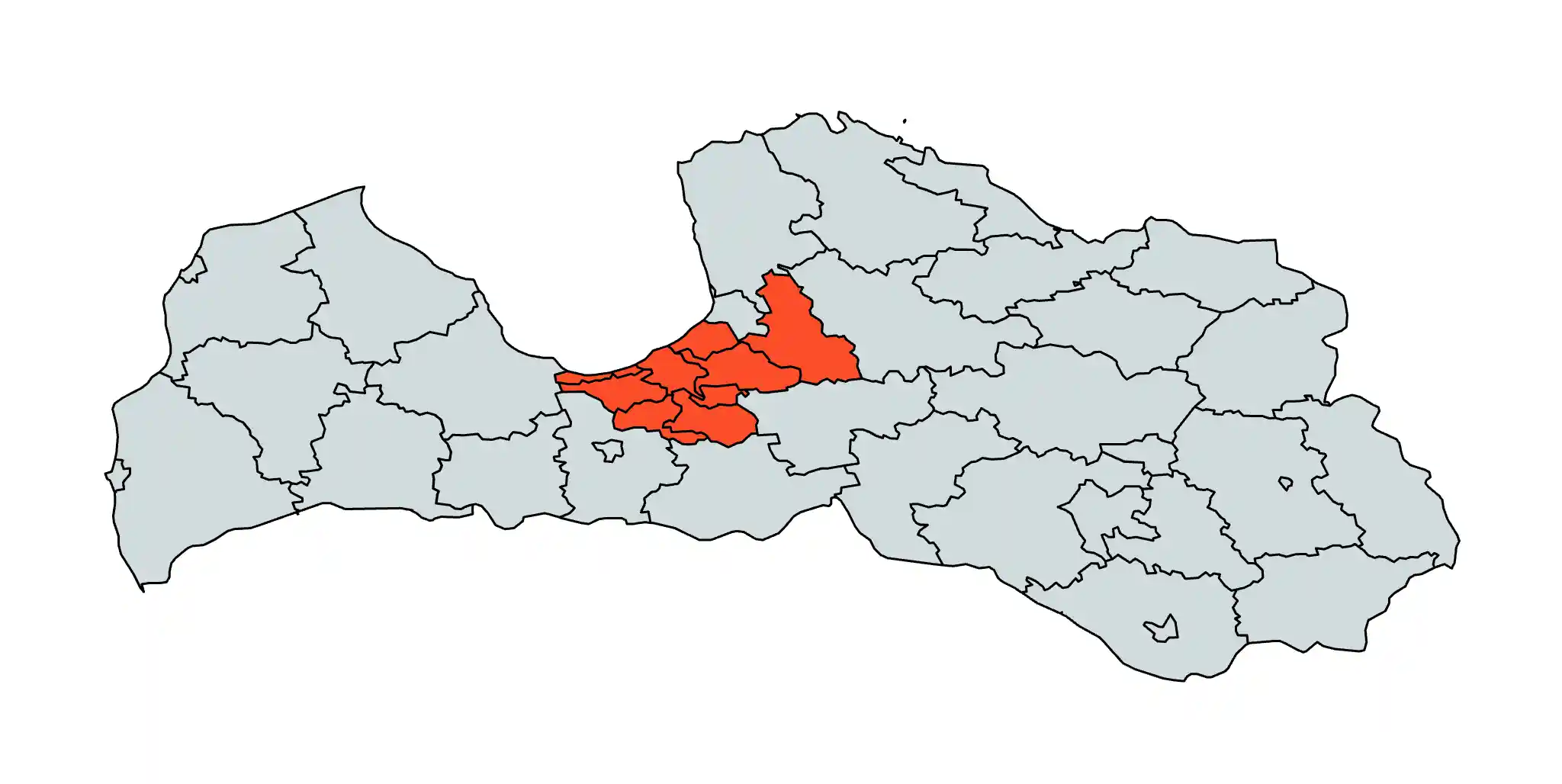
The Riga region is just a short hop from the capital but the forest has already swallowed the city noise. This area is the perfect hub for nature escapes near Riga that take you from misty bogs to secret coastal dunes. Start your morning at the Ķemeri National Park where a long wooden boardwalk leads you through a prehistoric landscape of mossy pools and stunted pines.
Follow the coastline north to Saulkrasti to find the White Dune which rises high above the sea offering a view of the gulf through the trees. The roads here are lined with summer villas and quiet gardens that lead to pristine beaches where you can walk for miles without seeing another soul. It is a land of contrasts where you can visit a secret Soviet nuclear bunker in the morning and dine at a refined seaside cafe by the afternoon.
Nearby the Daugava river widens as it approaches the sea creating a network of islands and floodplains perfect for birdwatching. You can explore the ruins of the Daugavgrīva fortress or watch the massive cargo ships navigate the port entrance. The Riga region is a playground for those who want the comfort of the city nearby while spending every day exploring the wild edges of the Baltic.
Riga (region) highlights
- Ķemeri Bog Path Walk a long wooden bridge over a landscape of moss and tiny dark pools that look like mirrors. It feels like stepping onto another planet as the white mist rises from the ground at the start of the day.
- White Dune Climb this giant sand hill in Saulkrasti for a great view of the blue sea through the tops of the trees. It is a great starting point for a long hike along the forest paths that run by the shore.
- Daugavgrīva Fort Explore a star shaped stone fort that was built to guard the mouth of the river from ships at sea. It is a quiet spot with old tunnels and wild grass growing on the thick walls.
- Salaspils Memorial Walk among giant stone statues that stand as a tribute to those who were lost during the years of the war. The sound of a beating heart echoes through the site in the silence to remind you of the past.
- Ogre Blue Hills Drive to these steep ridges for a walk in the woods or a swim in the clear blue water of the lake. The park has high towers that show the city lights of the capital far off in the distance.
- Soviet Nuclear Bunker Go nine meters underground to find a secret command post from the Cold War era that was hidden for years. It is still full of old maps and gas masks and looks just like it did in the past.
- Vakarbuļļi Art Park See giant stone faces and strange animals carved by a local artist on a quiet river island near the sea. It is a hidden gem that most people miss when they visit the main sites of the capital.
- Lilaste Dunes Find a quiet beach where the sand is white and the water is shallow for miles out into the gulf. It is the best place to park your car for a long beach walk away from the busy crowds.
- Dole Island Visit the museum in an old manor to learn about the life of the river fishermen who worked the waters. The island is peaceful and full of apple trees and sheep that graze on the green grass.
- Cinevilla Film Studio Walk through a fake town built for the movies with old trains and wooden streets that look real. You can see how film magic is made in the middle of the open fields of the countryside.
The local Four
History of Riga (region)
The Riga region started as a sandy camp for Liv fishermen who lived in huts made of reeds and wood along the river banks. They traded amber, which they called 'northern gold', with merchants who sailed in from the distant Roman Empire. This marshy land was so hard to cross that it served as a natural wall against the armies that tried to take the coast.
As the city of Riga grew into a trade giant, the surrounding forests became a secret world of royal hunting grounds and summer estates. High bishops and rich merchants built stone manors along the water to escape the heat and noise of the city walls. You can find the ruins of these old buildings tucked away in the pine trees where the river meets the sea.
In the 1900s, this area became a hub for secret bunkers and hidden missile sites tucked under the sand dunes of the coast. One secret bunker was built nine meters deep to keep the leaders safe during a nuclear war, and it still has its old phones and maps today. Now, these spots are part of the wild forest where you can hike through bogs that have not changed since the time of the first tribes.