

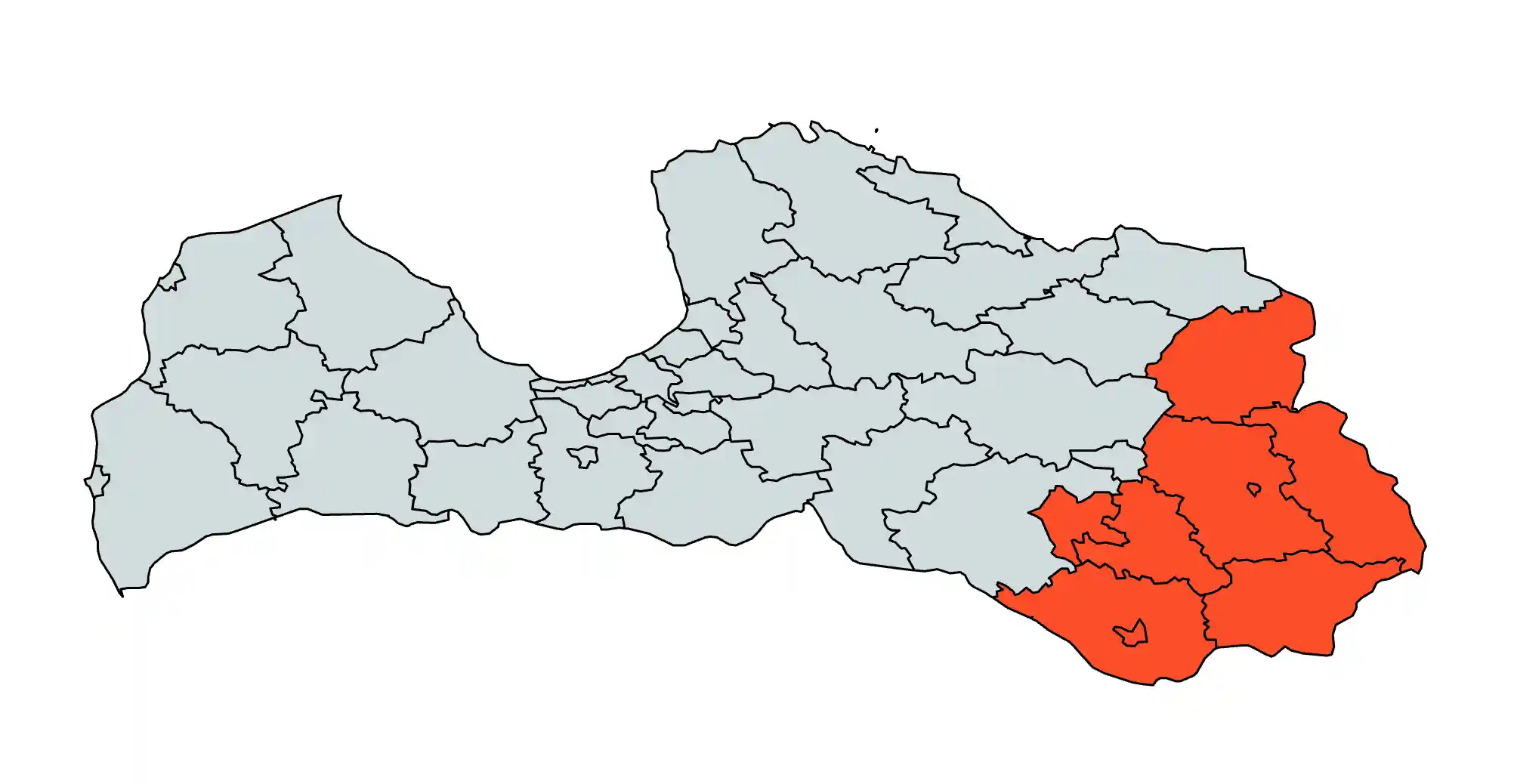
Latgale is the region of a thousand lakes where the deep blue water mirrors the white towers of the Aglona Basilica. This eastern borderland is the heart of Latvia’s blue lakes region hidden gems and provides a spiritual escape into a landscape of rolling hills and deep woods. The roads here wind past small farmsteads where the old Latgalian language is still spoken and hospitality is a way of life.
Stop your car at the Daugavas Loki nature park to see where the great Daugava river makes nine massive bends through the ancient valley. You can climb the wooden towers to look over the border and see the lush green islands that break the current. In the nearby towns of Rēzekne and Daugavpils the red brick architecture tells stories of Polish and Russian influence that shaped this unique cultural melting pot.
Don’t leave without visiting a local pottery workshop to see the famous black clay being fired in traditional wood kilns. You can feel the warmth of the clay as master craftsmen turn the wheels to create the dark textured vases that define the Latgale region. From the mysterious stones of the Pokaiņi forest to the quiet shores of Lake Rāzna this is a place where the legends of the past are still very much alive.
Latgale (region) highlights
- Aglona Basilica Visit the grand white church that draws thousands of people to its sacred spring and holy icons each year. It is a stunning sight that rises high above the quiet blue lake waters and the green hills of the east.
- Daugavpils Fortress Drive through the massive stone gates of the last bastion of its kind in the world to see a city built for war. It is a huge place with its own streets and parks that still feels like a fort from a past century.
- Mark Rothko Center See the real paintings of a world famous artist in the home town where he was born and raised. The art gallery is built inside an old stone building that once held army guns and heavy gear.
- Lake Rāzna Relax by the shore of the "Latgalian Sea" where the water is clear and the wind is fresh and cool. It is the best place to find a small cabin for a night of peace under the bright stars of the deep countryside.
- Lūznava Manor Explore a romantic red brick palace that was once a hub for famous artists and poets who came here to work. The park around it is full of quiet paths and secret stone statues hidden among the old trees.
- Daugavas Loki Follow the river road to see nine massive bends from high wooden lookout towers built on the edge of the valley. The river looks like a giant silver snake winding through the green woods of the ancient valley.
- Bread Museum Learn how to bake real rye bread in a large wood oven at this cozy local spot run by friendly folk. You can taste warm crusty loaves with fresh butter and local honey while you hear old stories of the farm.
- Ludza Castle Ruins Climb the high hill to see the gray stone walls of the oldest town in the country that still stand today. The view from the top covers the large lake and the red roofs of the small houses below.
- Preiļi Doll Gallery See a dream world of hundreds of hand made dolls that look like real people from old folk tales and myths. You can even dress up in royal clothes for a fun photo in this house of magic.
- Velnezers Lake Visit this small green lake that is said to have no bottom and no fish according to the old legends. It is a spooky but beautiful spot hidden deep in the dark pine woods where the water never ripples.
The local Four
History of Latgale (region)
Latgale is a region of faith and hills where the first tribes built wooden homes on islands to stay safe from forest bears. The great Daugava river was a liquid road for Viking traders who stopped here to swap furs for silver coins from the east. This early wealth helped the local people build a culture that stood strong even when knights arrived to change their way of life.
The region became a unique mix of worlds when it stayed part of Poland while the rest of the land fell to Sweden. Polish nobles built grand manors like Arendole, while Russian refugees built tiny wooden churches with blue roofs to escape the czar. You can still see this mix in the white towers of the Aglona Basilica which holds an icon said to have real healing powers.
During the Great War, this area was the "line of life and death" where soldiers dug miles of trenches that you can still find in the woods today. It is also the home of the "Latgalian moonshine" known as šmakovka, which locals have made in secret for hundreds of years. Every road leads to a lake or a pottery kiln where master artists fire clay using the same wood heat as their great grandfathers.