
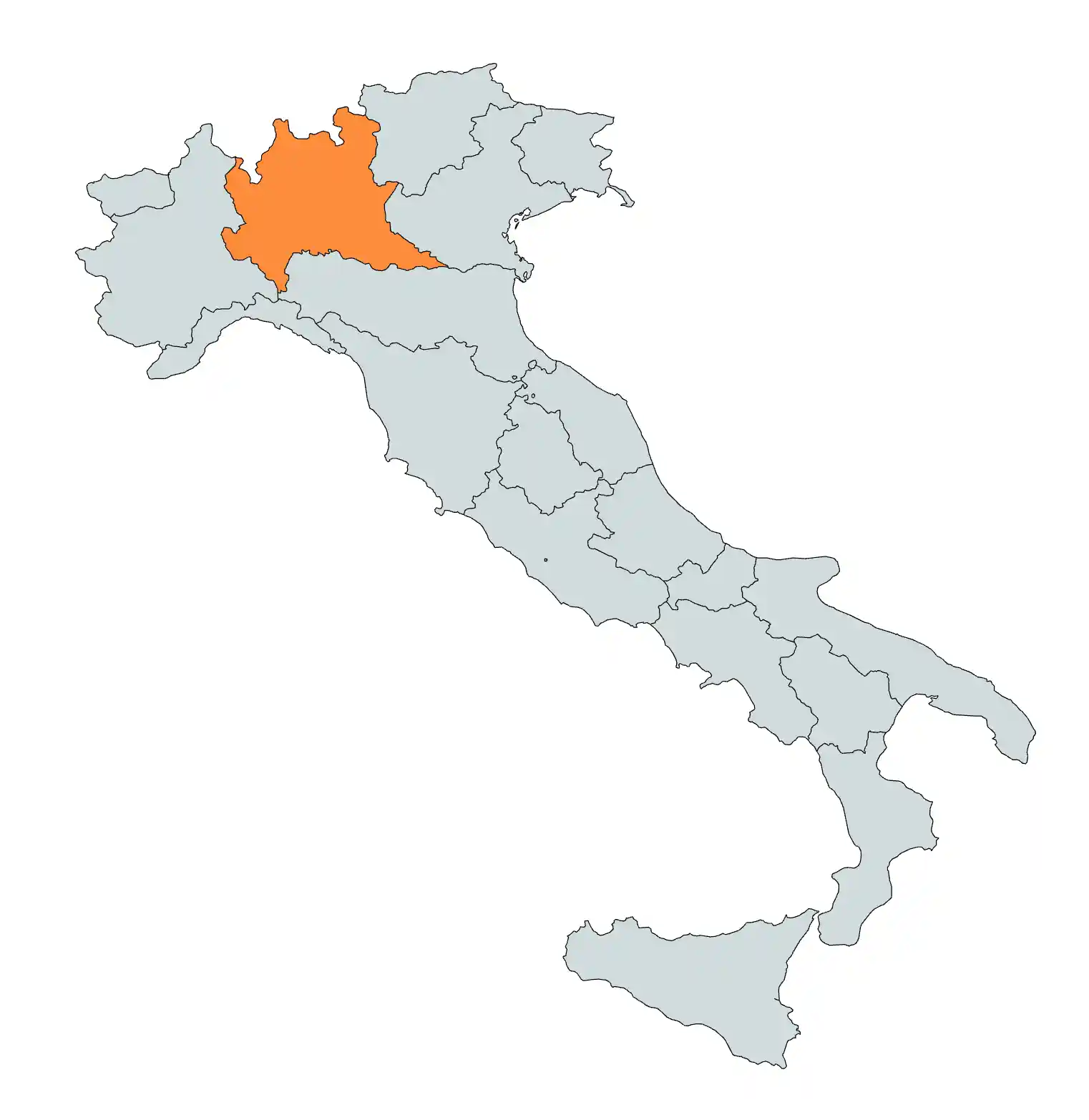
Lombardy is the undisputed financial and fashion engine of modern Italy. The region is entirely anchored by Milan, the global hub of design, fashion and business. The frenetic energy of the city gives way to the majestic beauty of the Alpine Great Lakes along the drive.
The journey quickly takes you from the city’s contemporary architecture into spectacular landscapes. You can drive the beautiful roads around Lake Como or explore the shores of Lake Garda and Lake Maggiore. Northward, the high Rhaetian Alps provide challenging and rewarding driving over mountain passes. This is a region where the world’s best business is done within view of glaciers and snow capped peaks.
The cuisine focuses on rich butter, rice (risotto) and veal. This is also the home of Franciacorta, Italy's premier sparkling wine region. This region is about quality, precision and high fashion style. A combination of global urban sophistication and Alpine beauty.
Lombardy highlights
- Milan (Duomo & Galleria Vittorio Emanuele II) Milan’s majestic cathedral is one of Europe’s greatest Gothic masterpieces. Topped with terraces providing incredible skyline views. Just steps away, the Galleria blends luxury shopping with 19th-century elegance under a soaring glass dome.
- The Last Supper (Milan) See Leonardo da Vinci’s iconic Renaissance painting housed in the Santa Maria delle Grazie monastery.
- Sforza Castle (Milan) Explore this large Renaissance fortress. It was once the impressive seat of the powerful Visconti and Sforza dynasties.
- Lake Como (Bellagio & Varenna) Lake Como’s shimmering waters, mountain backdrops, and elegant shore towns make it one of Italy’s most romantic destinations. Bellagio and Varenna are perfect bases for boat trips, villa visits, and sunset strolls along the waterfront promenades.
- Bergamo Alta The medieval upper town of Bergamo is a treasure of stone alleys, Renaissance buildings, and panoramic viewpoints. Ride the funicular to explore its historic piazzas, basilicas, and artisan shops in a beautifully preserved setting.
- Lake Garda (Sirmione & Bardolino) The spa town of Sirmione sits on a narrow peninsula with turquoise waters and thermal springs south of the lake. Explore Scaliger Castle, Roman ruins and swim in some of the clearest waters of northern Italy. Also visit Bardolino on the lake's east side for some evening dining and lively bars.
- Valtellina Valley A paradise for nature lovers. Valtellina provides terraced vineyards, alpine trails and beautiful mountain villages. It’s also the best place to taste local dishes like pizzoccheri and bresaola after a day of hiking.
- Franciacorta Wine Route This region produces Italy’s finest sparkling wines, rivaling Champagne. Drive or cycle through vineyards, stopping at family-run wineries to sample elegant vintages paired with local cheeses and charcuterie.
- Mantua (Mantova) Mantua feels like a Renaissance time capsule with palaces and paintings celebrating the legacy of the Gonzaga family. You can walk the elegant squares, lakeside walkways and the immense Palazzo Ducale.
- Cremona Explore this historical city. It is famous worldwide as the birthplace and home of the violin.
The local Four
History of Lombardy
The name Lombardy is derived from the Longobards, a Germanic tribe who settled here after the fall of the Roman Empire. The region's strategic position, controlling both the Alpine passes to Northern Europe and the fertile Po River Valley, made it essential for any conquering power.
The cities of Lombardy, led by Milan, grew into powerful independent communes. Their wealth, generated by trade and finance, fueled a cultural boom. Great dynasties like the Visconti and Sforza families turned Milan into a Renaissance capital. They commissioned masterworks and built magnificent castles . This power attracted the attention of greater European nations, leading to centuries of struggle for control of the region.
Lombardy was largely governed by foreign powers, first by Spain and later by the Austrian Empire. When Italy was unified in the 1860s, Lombardy immediately became the nation's financial and industrial engine. To this present day, the region drives Italian excellence and connects the Alps to the rest of the world.