
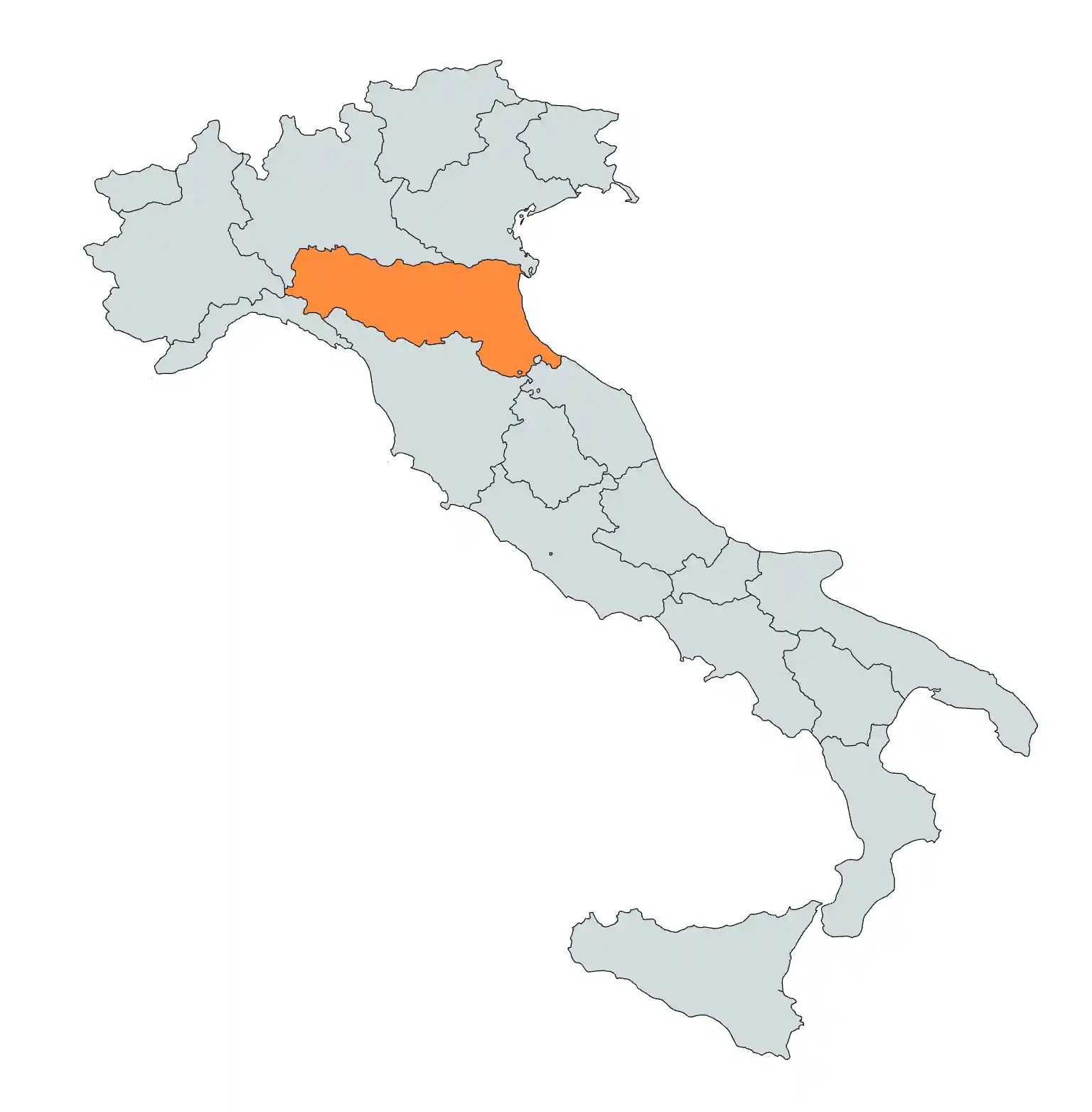
Emilia Romagna stands as the wealthy, powerhouse region of Northern Italy. This is the celebrated Food Valley. Simultaneously home to the Motor Valley. The road here will lead you into a culture that values engineering, speed and uncompromising culinary quality. The entire area is strategically defined by the historic city of Bologna and extends seamlessly toward the Adriatic Sea.
Driving the routes here means tracking history alongside horsepower. You can tour the legendary factories of Ferrari, Lamborghini, and Ducati. The roads that cross the Apennine mountains are just as engaging as the coastal line. Further east, you encounter the cultural depth of Ravenna, which was once the western capital of the Byzantine Empire and is renowned for its golden mosaics.
The cuisine here is the gold standard of Italy. This is the birthplace of Parmesan cheese, Balsamic vinegar, hand made tortellini and superior cured meats. Every meal confirms the region’s commitment to quality ingredients. This part of your trip is about the seamless combination of high speed culture and culinary excellence.
Emilia-Romagna highlights
- Bologna Known as "La Dotta, La Grassa, La Rossa". Bologna owns medieval towers, porticoed streets and a rich culinary heritage. Don’t miss the oldest university in Europe, lively piazzas and traditional markets.
- Modena Famous for balsamic vinegar. Modena also offers a beautiful cathedral, Piazza Grande, and the Enzo Ferrari Museum for car enthusiasts.
- Ferrari Museum (Maranello) Experience the history and engineering of the world famous sports car brand at its home factory.
- Lamborghini Museum See the evolution and incredible design of the iconic supercars at the official factory museum.
- Ravenna Home to the Byzantine mosaics. Ravenna provides colorful basilicas, medieval streets and a unique blend of art and history.
- Parma Renowned for Parmesan cheese and prosciutto. Parma is also a cultural gem with the Teatro Regio, Parma Cathedral and elegant historic streets.
- Comacchio A hidden gem nicknamed “Little Venice”. Comacchio has canals, colorful houses and historic bridges surrounded by wetlands and nature.
- Dozza Discover this small hilltop village. It is famous for its murals painted directly onto the houses and streets.
The local Four
History of Emilia-Romagna
The region owes its identity and name to the Roman consular road, the Via Aemilia, established in 187 BC. This artery connected the Roman military centers and established the groundwork for all the major cities still standing today, from Piacenza to Rimini. This foundational infrastructure ensured the region became a critical breadbasket and trade zone for the empire.
The political power center shifted dramatically when Ravenna became the Western Roman Empire's capital, and later the capital of the Byzantine Empire. This era is still visible in the stunning, gold clad mosaics of Ravenna's churches. Following the decline of this empire, independent city states like Bologna and Ferrara flourished. Bologna established the first university in Europe, transforming the region into a center of European culture and learning.
The history of the great dynasties, like the Este family in Ferrara. It explains the region’s everlasting focus on high quality goods. Traveling along the path of the original Via Aemilia means driving the cultural and culinary backbone of modern Italy. This region gives you an insight into the enduring legacy of Roman engineering and Byzantine political might.