

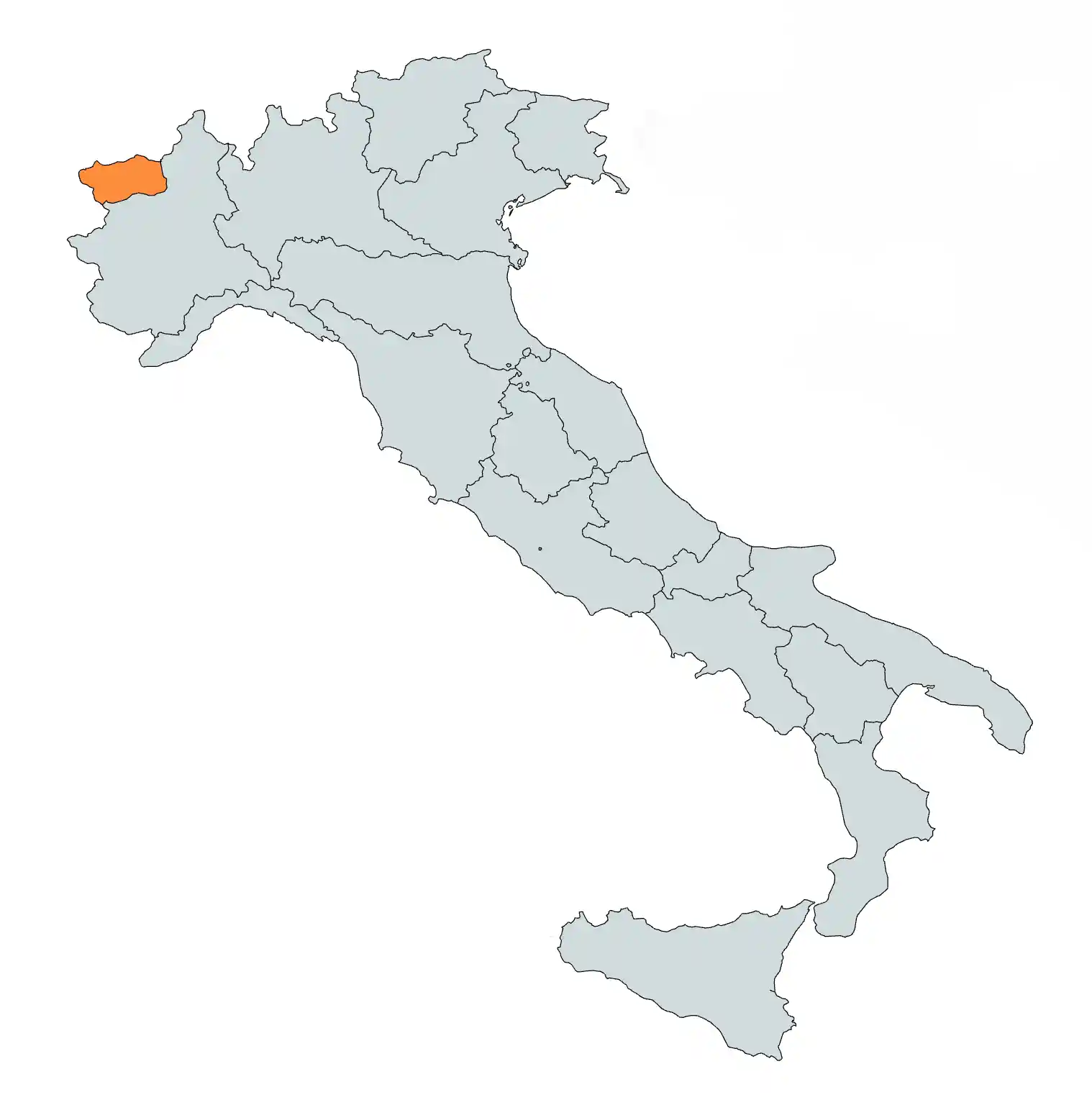
Aosta Valley is Italy’s smallest region, yet it holds the country’s biggest peaks. This is a Alpine world defined by Mont Blanc and the iconic Matterhorn. Your will immediately encounter a bilingual French and Italian culture that feels proudly distinct. The region is surrounded by remote beauty and colossal peaks.
It's a treasure map for drivers and history lovers. Aosta city itself was built on Roman foundations. Still visible in its impressive walls and gates. The medieval era left behind over 100 castles. Seemingly placed on every strategic hill and valley corner. Driving through the passes, you track the old Roman roads. Constantly shifting between great mountain views and isolated valleys.
The cuisine here is hearty and perfect for the Alpine climate. Look for strong mountain cheeses like Fontina and local wines grown on steep terraces. This region provides authentic European charm, blended with high adventure and historical magnificence. This will be for you if is your for seeking out the magical landscape of the Italian Alps. The Aosta Valley is about discovering gems hidden high above the clouds.
Aosta Valley highlights
- Aosta’s Roman Treasures The regional capital feels like an open-air museum. It has remarkably preserved Roman remains such as the Arch of Augustus, Teatro Romano and the ancient city walls. Walk the cozy old town for Alpine vibes and true Roman heritage.
- Courmayeur & Mont Blanc Skyway Ride the futuristic Skyway cable car up to Punta Helbronner for close-up views of the Mont Blanc. Courmayeur itself mixes chic alpine village vibes with amazing mountain dining.
- Skyway Monte Bianco Glacier Experience At 3,466 meters, the rotating cabins give you 360° views over snowfields and jagged peaks. The terrace at the top feels like stepping onto the roof of Europe.
- Forte di Bard This massive fortress rising above the valley was once among Italy’s most strategic defenses. Today it houses the Alpine Museum and hosts exhibitions inside its stone halls.
- Gran Paradiso Italy’s oldest national park is a paradise of glaciers, flower-filled valleys and herds of ibex wandering freely. Its hiking paths give an untouched side of the Alps rarely found elsewhere.
- Great Saint Bernard Pass Drive this historic mountain pass connecting Italy and Switzerland. It is famous for its large dogs (Saint Bernard dogs).
- Castello di Fénis One of Italy’s most photogenic medieval castles, with towers and beautifully preserved frescoes. Its courtyard feels like a time capsule back to the 14th century.
- Cervinia & Plateau Rosa Glacier A lesser-known summer skiing hotspot where you can ski with views of the Matterhorn. The surrounding trails and glacier panoramas are breathtaking even for non-skiers.
The local Four
History of Aosta Valley
The Romans transformed this isolated valley into a vital trade artery. Establishing Augusta Praetoria (Aosta city). This high mountain region was the gateway connecting Roman Gaul with Italy.
The medieval era brought a different kind of power. The valley became a key military territory, leading to the construction of a unique density of stone castles and fortifications. The powerful House of Savoy eventually took control. They used these castles to control trade and defend the mountain passes against invasion. This isolation and the strong regional governance helped preserve the unique Franco Provençal culture and language.The long reign of the House of Savoy ensured the region maintained its special status and stability.
The visible legacy of this history is everywhere. From the ruins on the peaks to the fortified manor houses along the valley floor. Driving here, you are literally tracking centuries of European military and trade history. This is your personal adventure through a high Alpine region that has carefully guarded its culture and its castles.