

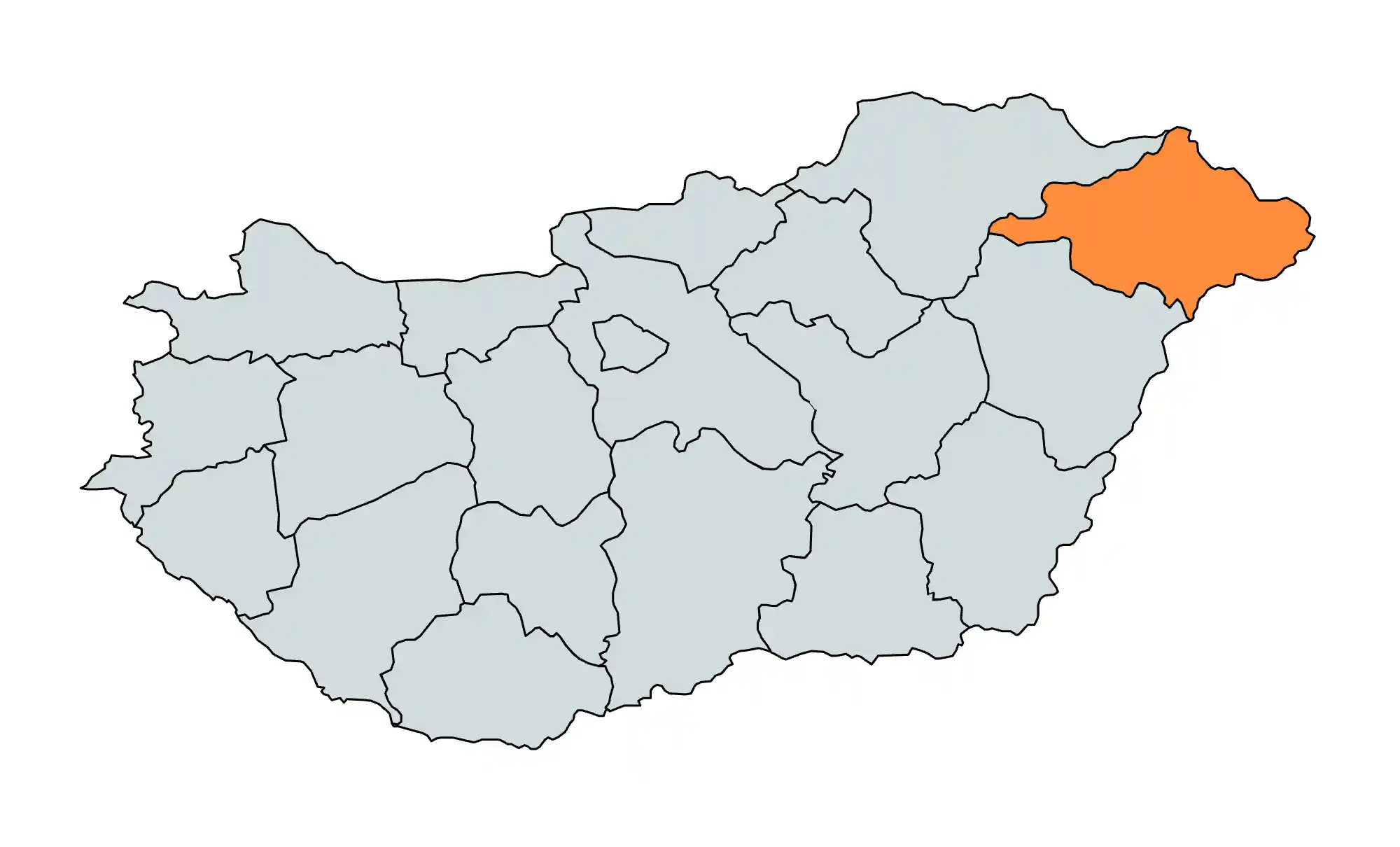
This is Szabolcs–Szatmár–Bereg county where the sun rises first. It is a region of old wooden churches and apple orchards. You will find a world that feels very far away. The white storks build their nests on top of every chimney. You can see them hunting in the green meadows by the side of the road.
Nyíregyháza has one of the best zoos in Europe. It is a massive park where animals live in natural woods. Nearby, the Sóstó spa provides a dip in salty water. It is a great spot to relax. The oak trees provide shade for the picnic spots all around the lake. You can explore the open air museum to see how people lived a century ago.
Follow the river Tisza to find the 'church of flowers' in Sonkád. The painted ceilings are bright and beautiful. This county is a treasure chest of folk art. It is a journey for the curious soul. You will find that people here have the biggest smiles in the country. The sweet smell of plum jam cooking in copper pots fills the villages in autumn.
Szabolcs–Szatmár–Bereg highlights
- Tákos Wooden Church Visit a tiny barefoot church made of wood and mud with a ceiling painted with colorful flowers. It is a humble and beautiful gem hidden in a quiet village near the border.
- Nyíregyháza Sóstó Zoo Explore one of the best zoos in the land which is set in a deep oak forest with a salty lake nearby. You can walk through a jungle and see white tigers.
- Tivadar Sandy Beach Stop at the bend of the river Tisza to find a wide beach of soft sand and cool water. It is a perfect spot for a swim during a drive through the far east.
- Mátészalka Light Museum See a collection of old lamps and lights in the first town in the land to have electricity on its streets. The museum is bright and full of glowing history.
- Csaroda Painted Church Find a stone church from the thirteen hundreds with walls covered in paintings of smiling saints. The quiet garden and the old wooden tower make it very peaceful.
- Vaja Castle Visit a strong brick fort that sits by a lake and was once the base for a great rebel leader. The rooms show the life of the soldiers and the lords.
- Tarpa Dry Mill See a giant wooden machine inside a round building that used horses to grind grain long ago. It is a rare and clever work of old engineering kept in perfect shape.
- Túrricse Water Mill Stop at a wooden mill on a small river where the giant wheel still turns in the water. The sound of the splashing and the quiet woods are very calming.
- Szabolcs Earth Fort Walk on the high earth walls of a fort that was built a thousand years ago to guard the new nation. The view from the top shows the river and the plains.
- Penyige Plum Museum Taste the deep blue plums and the thick jam that this region is famous for. The small museum shows how the fruit is grown and cooked over an open fire.
The local Four
History of Szabolcs–Szatmár–Bereg
Szabolcs–Szatmár–Bereg is the Land of the First Sunrise, the eastern gate where the tribes first entered the country in the late 800s. They built massive earth forts, like the one at Szabolcs, which still stands today as a giant grassy ring. This was the frontier where the state was born, a land of wide rivers and thick mud that served as a natural shield against the east. This ancient raw history is the core of the Far East Hungary nature route.
The region is famous for its barefoot churches (tiny wooden gems from the 17th and 18th centuries) with ceilings hand painted with flowers and stars. Because the local people were poor, they could not afford gold or marble, so they used the wood of the forest and the colors of the fields to create a unique Folk Baroque style. This era created a landscape of tall wooden belfries that look like needles rising from the flat fruit lands.
The late 1900s saw the region become a global center for the red plum, a fruit so sweet and hardy it became the basis for the most famous brandy in the land. The sandy soil and the fierce eastern sun create a flavor that can be found nowhere else. Today, you can drive through miles of blossoming orchards and visit water mills that still grind grain using the slow power of the river.