

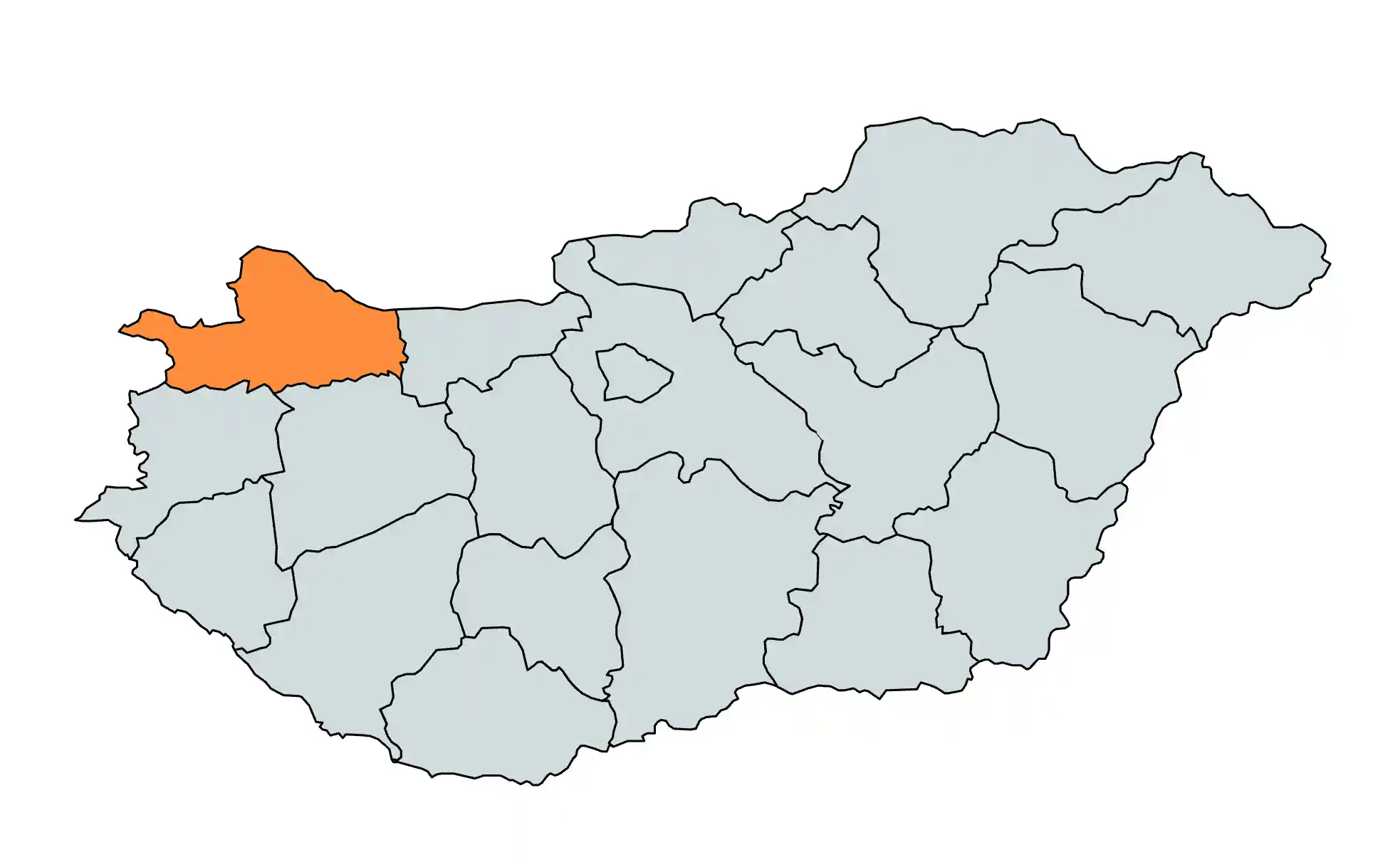
Europe meets Hungary right here in Győr–Moson–Sopron. The roads lead from the Alps down to the plains. You will pass through baroque towns with cobblestone streets. It is a region of elegance and history. The influence of many cultures is visible in the grand architecture. You will feel the pulse of the border as you move between the old and the new.
The city of Győr sits where three rivers meet. Its squares are full of life and fountains. Further west, Sopron stands tall with its old fire tower. The town is famous for its loyalty and its deep red wines. You can walk the narrow alleys that look exactly as they did centuries ago. The surrounding pine forests offer a fresh scent that fills your car.
Explore the wetlands of Szigetköz by boat or bike. The Danube breaks into a thousand tiny islands here. It is a maze of green water and singing birds. This is the perfect start for a journey into the country. The fresh breeze from the mountains follows you all the way east. You can find tiny pebble beaches where the water is clear and cold.
Győr–Moson–Sopron highlights
- Pannonhalma Abbey Visit a massive thousand year old monastery that sits on a high hill overlooking the northern plains. The library is full of ancient books and the monks still make their own wine and herbs.
- Fertő Lake Reeds Explore a giant shallow lake that is shared with the next country and is a haven for rare birds and plants. You can take a boat through the thick reeds to see the secret water paths.
- Eszterházy Palace Tour a grand palace known as the Hungarian Versailles with hundreds of rooms and a garden full of roses. It was the home of a prince and where the composer Haydn worked.
- Sopron Fire Tower Climb a high stone tower to see over the red roofs of a medieval town to the green peaks of the Alps. The tower has guarded the city against fire and war for centuries.
- Szigetköz Islands Drive through a world of a thousand small islands made by the arms of the giant Danube river. It is a paradise for fishermen and people who love to paddle through quiet water.
- Nagycenk Manor See the home of the man who built the first bridge in the capital and brought the steam train to the land. The park has a long alley of lime trees that smell sweet in the spring.
- Lébény Romanesque Church Visit a thick stone church with two towers that was built eight hundred years ago and has never fallen. The inside is cold and quiet with very high stone arches.
- Hanság Marshes Walk on wooden paths over a wild land of water and grass where rare deer and birds live in peace. It is a quiet corner of the north that feels very far from the modern world.
- Győr Old Town Park your car and walk through streets of colorful baroque houses and hidden squares by the river. The city is full of statues and old signs from the time of the merchants.
- Pannonhalma Lavender Stop at the abbey gardens during the summer to see hills covered in bright purple flowers that smell like heaven. You can buy oil and soap made from the blooms.
The local Four
History of Győr–Moson–Sopron
Győr–Moson–Sopron is the Meeting of the Waters, where three major rivers and three different nations have converged for centuries. In the 10th century, the first kings built a massive fortress here using Roman stones to guard the Western Gate of the country. This strategic point is the highlight of the Northwest Hungary border route, where every bridge and gate has served as a shield against the marching armies of the West.
The 1700s transformed the region into a Garden of Princes. The powerful Esterházy family built a palace of such scale and beauty that it was dubbed the Hungarian Versailles. They did not just build a home; they created a world of music and art, hosting the composer Haydn for decades. The park was filled with exotic orange trees and rose gardens, turning the fertile northern plains into a stage for the highest European culture.
The landscape is also home to a giant moving lake shared with the neighboring country. This shallow salty water has been a haven for rare birds and reed cutters since the Ice Age. The region history is found in the contrast between the high stone towers of the Pannonhalma Abbey. It's a thousand year old library of faith and the modern industrial hum of the river ports.