

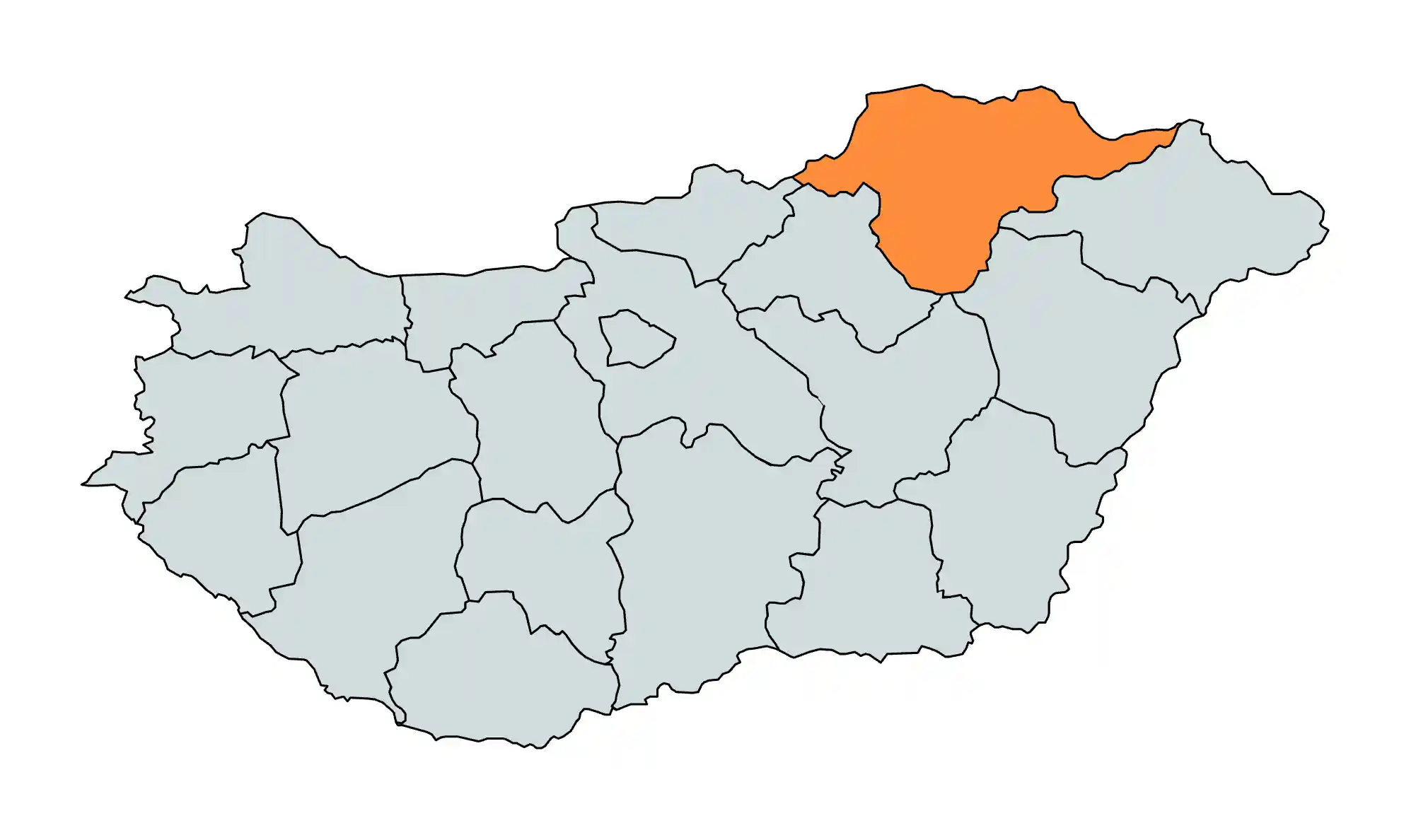
Mountains rise up to greet you in Borsod–Abaúj–Zemplén. This is the land of mist and stone fortresses. Every hilltop seems to hold a ruined castle. The roads twist through deep forests and rocky cliffs. You will feel the power of the earth in every steep climb. The jagged peaks offer a dramatic backdrop for your next photo stop.
Head to the Zemplén hills for the best views. You can explore the steep trails or visit the wine caves of Tokaj. The sweet gold wine has been famous for centuries. It is the perfect reward after a day of hiking. Many of these cellars were carved directly into the volcanic rock long ago. You can taste the history in every drop of the local nectar.
The air is crisp and cool in the Bükk hills. You will find caves and trout ponds tucked away in the woods. It is a rugged landscape that demands your attention. Get ready for an adventure in the high country. The scenery changes from wild peaks to deep, dark valleys in minutes. Small mountain streams will guide you through the thickest parts of the forest.
Borsod–Abaúj–Zemplén highlights
- Tokaj Vineyards Drive through the volcanic hills where the most famous sweet gold wine in the world is grown and bottled. The stone cellars are hundreds of years old and hide deep under the green slopes.
- Diósgyőr Fortress Visit a massive four towered castle where the queens of the land once lived in grand style. You can watch knights fight with swords and see how people lived in the middle ages.
- Lillafüred Waterfall Stop at a grand palace hotel to see a high waterfall crashing into a deep green valley. You can take a boat on the lake or ride a tiny train through the dark woods.
- Aggtelek Baradla Cave Go deep into the longest cave in the land to see giant stone curtains and halls as big as cathedrals. The sounds of the water dripping in the dark make it a magical underground world.
- Sárospatak Castle Explore a red brick fort with a famous tower that has a painting of a rose on the ceiling. It was the home of a great prince and is a key stop for history lovers.
- Boldogkő Vár Walk along a narrow stone path on a rocky ridge to reach a castle that looks like it is floating in the air. The views of the Zemplén mountains are the best in the north.
- Hollóháza Porcelain Visit the factory in the deep woods to see how fine white clay is turned into delicate plates and statues. You can watch the artists paint tiny flowers on the white glaze.
- Mezőkövesd Matyó Art See the most colorful floral embroidery in the land where every shirt and wall is bright with red roses. The old district is full of tiny houses with thatched roofs and art shops.
- Szerencs Chocolate Castle Stop at a small fort to visit a museum of sweet treats made from local sugar and cocoa. The town is famous for its sweets and the castle has a very sweet history.
- Bükk Plateau Road Drive on a high mountain road through a forest of tall beech trees that stay green all summer. It is a wild and cool route with many spots to park and look at the valley below.
The local Four
History of Borsod–Abaúj–Zemplén
Borsod–Abaúj–Zemplén is a rugged kingdom of stone and fire where volcanic activity millions of years ago created a jagged defensive terrain. In the 1240s, after a devastating invasion from the east, the King ordered a massive project to clothe the peaks in stone. This birthed the ring of mountain forts like Boldogkő and Füzér that cling to volcanic needles today. This dramatic skyline is the heart of the North Hungary mountain road.
The region entered its Golden Age in the 1600s through the liquid wealth of Tokaj. Princes and rebels used the sweet volcanic wine to buy alliances and fund wars, leading a famous Czarina to even station her own troops here to guard the barrels. The volcanic hills are honeycombed with miles of dark narrow cellars where a special noble mold grows on the walls, breathing life into the wine of kings. It is a place where the earth’s fire was bottled and traded for power.
Industrial might took over in the 20th century as the mountains were hollowed out for iron and coal. This era created steel cities and massive factories that stood in stark contrast to the quiet deep beech forests of the Bükk plateau. Today, the smoke has cleared, leaving behind a land of hidden waterfalls and silent castle ruins. It is a region of echoes where the clink of a wine glass and the ring of a knight's sword still feel present in the mountain mist.