

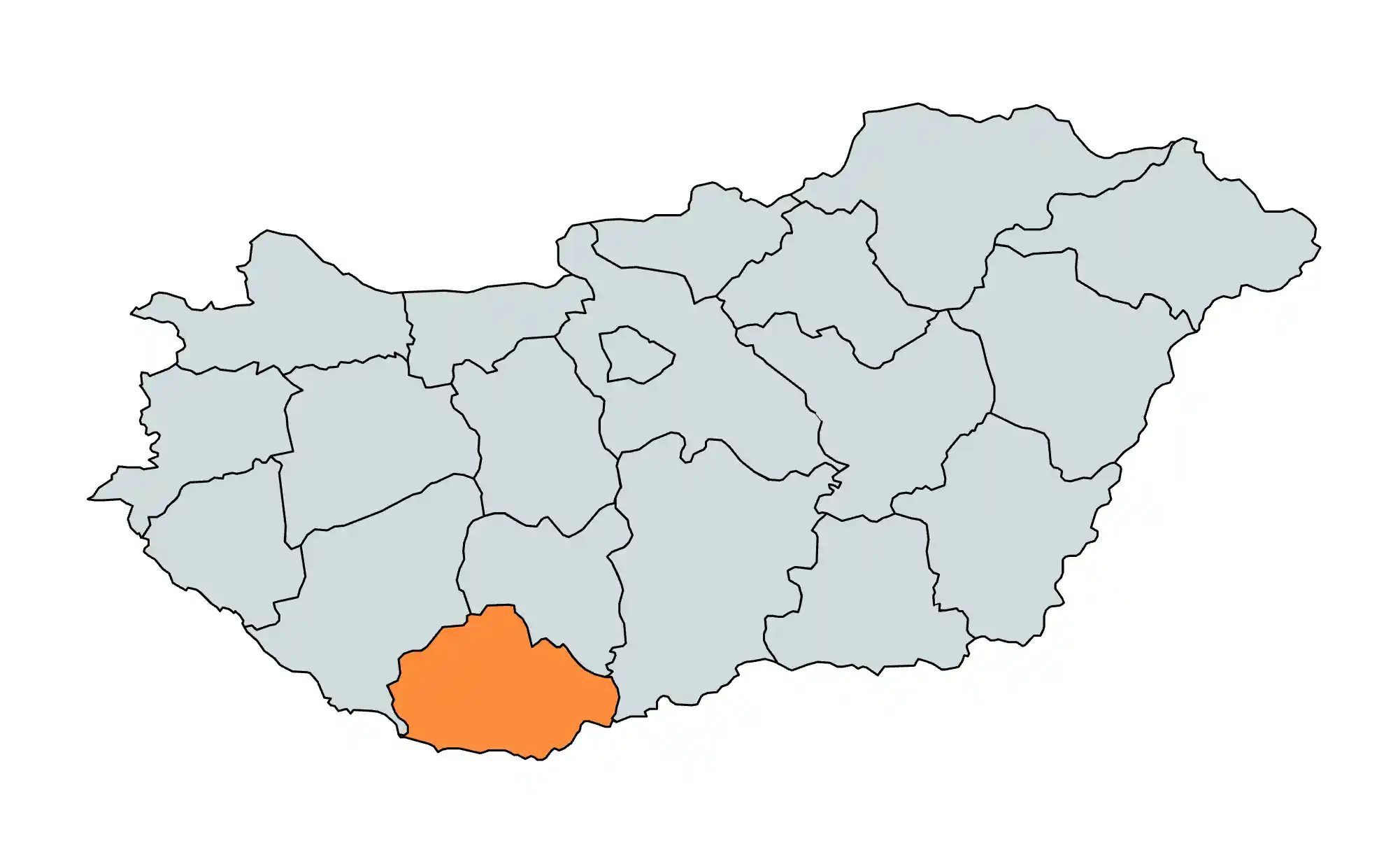
The hills of Baranya feel like Italy. Vines cover the slopes of Villány. The sun stays longer here. You can smell the ripening grapes on the breeze. It is a paradise for fans of bold red wines. The white limestone rocks soak up the heat all day long. Long rows of vines create a green pattern that follows the curve of the land.
Park the car in Pécs and walk through history. You will find ancient tombs and Turkish domes in the same square. The Zsolnay tiles glitter with a green oil sheen. Every street corner has a story from a different era. Mediterranean vibes flow through the cafes and the crowded almond trees. You can feel the warmth of the stones under your feet as you explore the hidden courtyards.
Drive deeper into the Mecsek woods to find hidden waterfalls. Small villages hide in the green valleys. Stop at a local cellar for a tasting. You will find that life moves at a better pace here. It is a land where the culture is as rich as the soil. The winding mountain roads offer a cool escape from the summer heat.
Baranya highlights
- Villány Wine Road Drive through the sunny southern hills where rows of grapes produce the most famous red wines in the land. The road is lined with stone cellars and small taverns that offer a warm welcome to travelers.
- Siklós Castle Tour a thick stone fort that sits on a hill and has been lived in for over seven hundred years without a break. You can walk the high battlements to see the green valleys stretching toward the southern border.
- Máriagyűd Shrine Visit the white twin towers of a holy church that sits on a hill and has drawn pilgrims for centuries. The quiet gardens and the view of the plains make it a very peaceful stop on your journey.
- Orfű Lake Loop Follow a winding road around three hidden blue lakes tucked deep into the green folds of the Mecsek mountains. It is a favorite spot for local sailors and people looking for a cool forest hike.
- Zsolnay Quarter Explore the site of the world famous porcelain works where every roof and statue glows with colorful green and gold glaze. The park is full of art and hidden corners that show the wealth of the old masters.
- Abaliget Stalactite Cave Walk through a cool underground world of stone needles and silent pools hidden inside a mountain. The air is fresh and healthy and a small lake outside the cave is perfect for a boat ride.
- Mohács Battle Site Stand on the field where a giant battle changed the fate of the nation five hundred years ago. Giant wooden statues of knights and kings rise from the grass to mark the final stand of the royal army.
- Pécsvárad Abbey See the massive stone walls of a monastery that was built a thousand years ago to guard the mountain pass. The inside houses a small museum and a quiet garden where the monks once grew herbs.
- Szársomlyó Sculpture Park Hike to an open air gallery on a grey limestone hill where giant stone statues stand against the wind. The view from the top shows the vast vineyards and the misty hills of the south.
- Harkány Thermal Waters Soak in the unique sulfur pools that have been famous for their healing power since the time of the Romans. The warm water smells of the earth and the park is full of old trees.
The local Four
History of Baranya
Baranya is a Mediterranean pocket of the north where the sun has warmed the stone for ages. During the 4th century, the Roman city of Sopianae became a major center for early Christian art. They built unique underground burial chambers with murals of the Tree of Life that still glow with color today. This ancient holy layer gives the Southern Hungary scenic route a feeling of walking through the very dawn of European faith.
The landscape changed forever in the 16th century when the region became the frontier of the Ottoman Empire. For one hundred and fifty years, the sounds of the call to prayer and the scent of exotic spices filled the air as mosques and Turkish baths rose among the vines. This period left a deep mark on the architecture and the soul of the land, blending Eastern mystery with the solid stone of the local Mecsek mountains.
By the 1700s, the hills were resettled by craftsmen from the Black Forest who brought with them the secrets of master pottery and deep red wine. They carved vast cellar systems into the soft clay and limestone, creating wine cathedrals that stay cool in the scorching southern sun. Today, the region is a tapestry of red roofed villages and blooming almond trees. It is a county of light where Roman stone and German vines tell a story of eternal summer.