
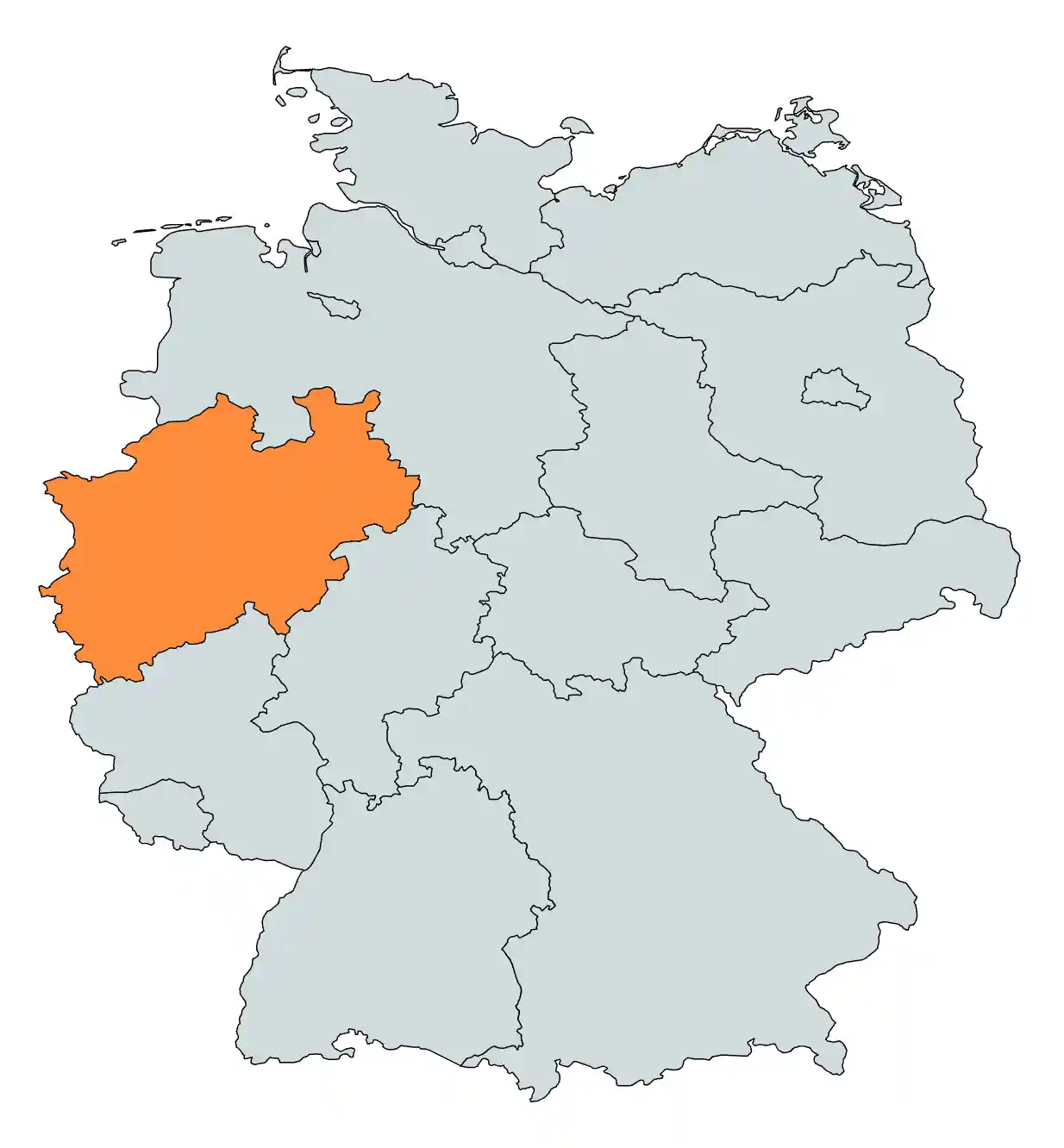
North Rhine-Westphalia is Germany’s densely populated powerhouse. Giving you a road trip experience that is less about isolation and more about electric energy. This region, where the mighty Rhine meets the industrial Ruhr, is Germany's dynamic engine room. The driving here is diverse, taking you through a seamless network of world-class infrastructure and beautiful scenic routes that trace the paths of historic rivers and rolling hills.
The old coal mines and steel mills of the Ruhr area have been brilliantly transformed into stunning green parks and world-class art museums. You’ll navigate between the high-fashion chic of Düsseldorf, the Roman history and carnival spirit of Cologne and the cultural density of Essen.
This heritage of hard work and forward-thinking innovation gives the region a grounded, welcoming atmosphere unlike anywhere else. Whether you are climbing the heights of a former coal mine or sipping a local Kölsch beer in a historic tavern. This is where you explore the cultural heart of modern Germany.
North Rhine-Westphalia highlights
- Cologne Cathedral (Kölner Dom) An amazing Gothic masterpiece. The absolute icon of the region. Climb the 533 steps of the south tower for panoramic views of Cologne and the Rhine.
- Monschau A picturesque village near the Eifel mountains. Monschau is filled with half-timbered houses, narrow streets and artisan shops. Seasonal markets and the scenic Rur River make it a great escape from city life.
- Teutoburg Forest A forested region rich in history and natural beauty, famous for the ancient Battle of the Teutoburg Forest. Don't forget to see the Externsteine rock formation, which is about 70 million years old!
- Bonn The former capital of West Germany. Explore the birthplace of Beethoven. Visit art and history museums. Enjoy leisurely walks along the Rhine, where the riverside promenades are lined with cafés and gardens.
- Wuppertal Suspension Railway A unique, world-famous mode of transport and engineering marvel.
- Zeche Zollverein (Essen) A former coal mine turned cultural landmark. The site showcases industrial architecture and modern creativity. Explore museums, contemporary exhibitions and events that reflect the region’s industrial past.
- Drachenfels The most famous hill on the Rhine, with castle ruins and absolute stunning views.
The local Four
History of North Rhine-Westphalia
The modern state of North Rhine-Westphalia is a deliberate union of two distinct cultural lands: the Rhineland and Westphalia. An agrarian land linked to the Hanseatic trade network. In the 19th century, fueled by vast deposits of coal and iron ore in the Ruhr Valley, NRW became the engine room of the German Industrial Revolution.
Cities exploded in population as millions migrated to work the mines and steel mills, transforming the Ruhr area into the densest industrial landscape in Europe and making NRW the economic heart of the entire nation.
While it initially relied on the aging coal and steel industry, NRW faced a steep decline in the late 20th century. The region successfully pivoted, transforming former industrial sites like Zeche Zollverein into cultural centers, parks and universities.