

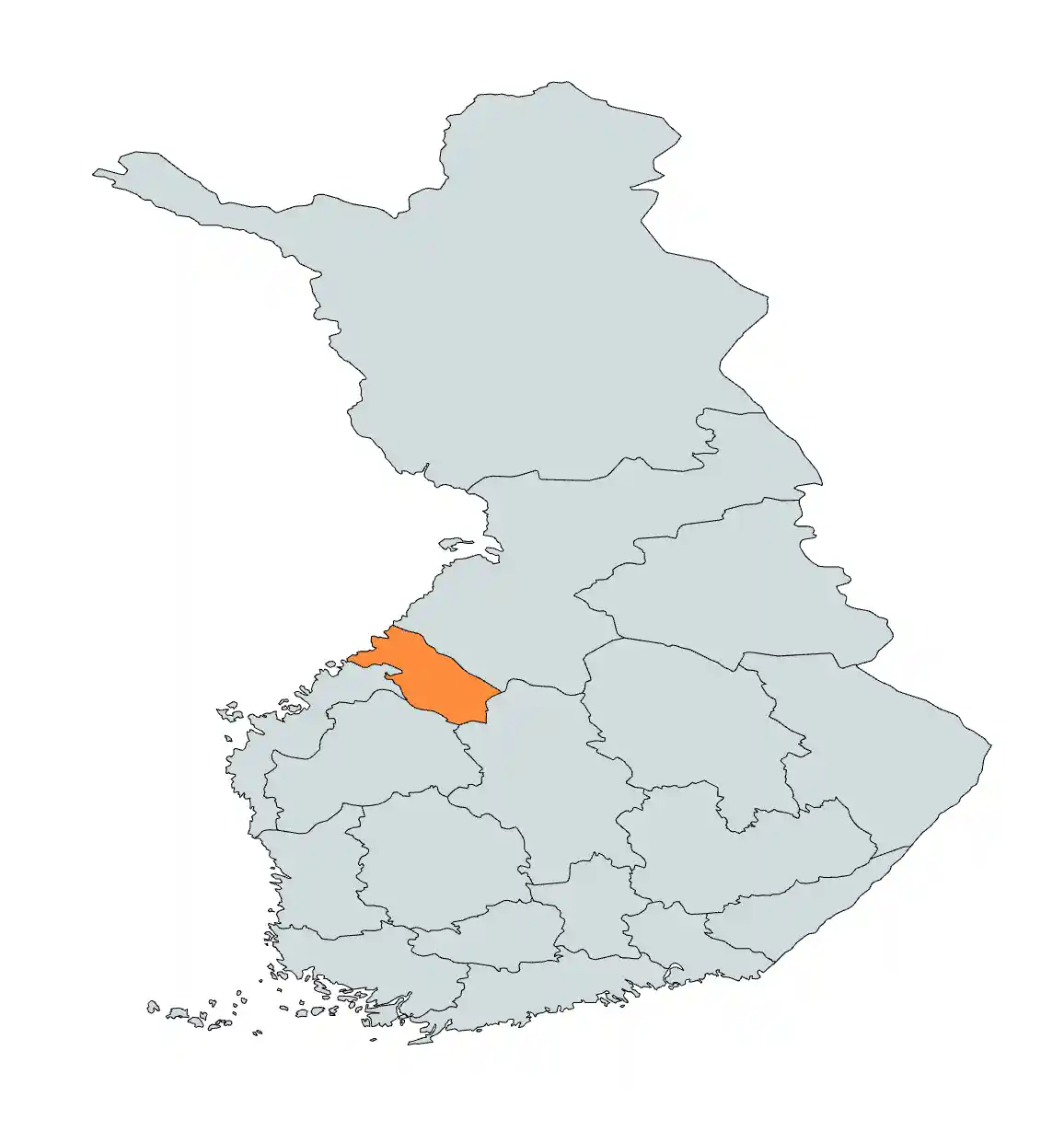
You have reached the wide coastal plains of the west where the horizon feels massive as the road stretches across flat fields. This is a land of big skies and traditional farmsteads with large red barns that define the rural landscape. The coast is lined with sandy shallows and old fishing ports like Kokkola, which has stood for centuries against the elements. It is an easy region to traverse with straight roads and clear views that make driving feel effortless and relaxing. You can see the weather patterns moving across the vast sky long before they reach you.
The harbor town of Kokkola is the crown jewel of the area and a must-visit for history lovers on a road trip. You can walk through the Neristan district to see one of the best-preserved wooden old towns in the country with its colorful houses and narrow lanes. The coastal roads lead you to quiet lighthouse islands like Tankar and birdwatching towers where you can spot rare arctic species. You find yourself in a landscape that values space and simple beauty while offering plenty of room for your vehicle. Small farm shops along the way offer local crafts and fresh produce.
Exploring the shoreline reveals hidden dunes and rocky points that are ideal for a quiet afternoon by the sea. You can follow the path of the river valleys as they flow toward the Gulf of Bothnia through fertile agricultural land. The region offers a sense of calm and plenty of room to breathe away from the busy tourist hubs. Many travelers find themselves staying longer than planned just to watch the sunset over the flat sea which turns the sky into a canvas of pink and gold. Central Ostrobothnia is a perfect stop for those who love the sea breeze.
Central Ostrobothnia highlights
- Neristan Wooden Town Walk the narrow streets of one of the best preserved wooden districts in the north located in Kokkola. The colorful houses and lace curtains create a peaceful atmosphere that is perfect for slow exploration.
- Tankar Lighthouse Island Park at the harbor and take the ferry to a rugged island where a tall red lighthouse stands guard. You can see the old fishing huts and enjoy a bowl of salmon soup at the small cafe.
- K.H. Renlund Museum Visit this historic manor house to see local art and learn about the wealthy trade history of the region. It is a grand building that stands out as a cultural anchor in the coastal landscape.
- Ohtakari Fishing Village Drive the long bridge to reach a traditional harbor where the wooden houses are huddled together against the sea. The views of the Gulf of Bothnia from the rocky shore are truly massive.
- Lohtaja Sand Dunes Explore the Vattaja beach area which features some of the longest and most natural dunes in the country. It is a wild and open space where you can walk for miles along the sandy shoreline.
- Toivonen Animal Park Stop at this rural attraction to see traditional farm animals and old farm machinery in a rustic setting. It is a great family stop that shows the agricultural heart of the coastal plains.
- Lestijärvi Lake Turn inland to find a quiet lake surrounded by pine forests and clean sandy beaches for a swim. It is far from the crowds and offers a perfect spot for wild camping or a quiet picnic.
- Kälviä Church See a classic example of local church architecture with a separate wooden bell tower that looks over the fields. The simple beauty of the building reflects the steady and quiet life of the plains.
- Arboretum Frick Discover a lush garden hidden in the countryside that features a massive variety of trees and exotic plants. It is a surprising burst of green color in a region known for its flat farm fields.
- Pannukakkutalo Pancake House Treat yourself to a massive sweet or savory pancake in a historic wooden building in the city center. It is a local favorite that provides a cozy atmosphere for a midday road trip meal.
The local Four
History of Central Ostrobothnia
Because the earth here is still bouncing back from the weight of the last ice age, the shoreline moves further out every year, leaving old harbors high and dry. The people of Kokkola and the surrounding villages have spent centuries chasing the water, building new piers and moving their lives to keep up with the shifting coast. It created a culture of adaptation and a deep respect for the power of the natural world.
In the 1700s, this region became a global powerhouse in the production of pine tar, often called "the black gold of the north." Huge pits were burned in the forests to produce the tar used to seal the wooden ships of the British Royal Navy and other great fleets. This trade brought immense wealth to the wooden towns, allowing merchants to build the beautiful, colorful houses of the Neristan district. As you walk these streets today, you are walking through a legacy built on the smoke of the forest and the riches of the sea.
The plains also tell a tale of fierce independence and traditional skill. Local shipbuilders were known as the best in the Baltic, crafting vessels that could withstand the roughest northern storms. Today, as you drive across the flat fields and past the massive red barns, you can feel the steady spirit of a people who have always looked toward the horizon. It is a landscape where the big sky meets a history of trade, craftsmanship, and a land that literally grows every single day.