
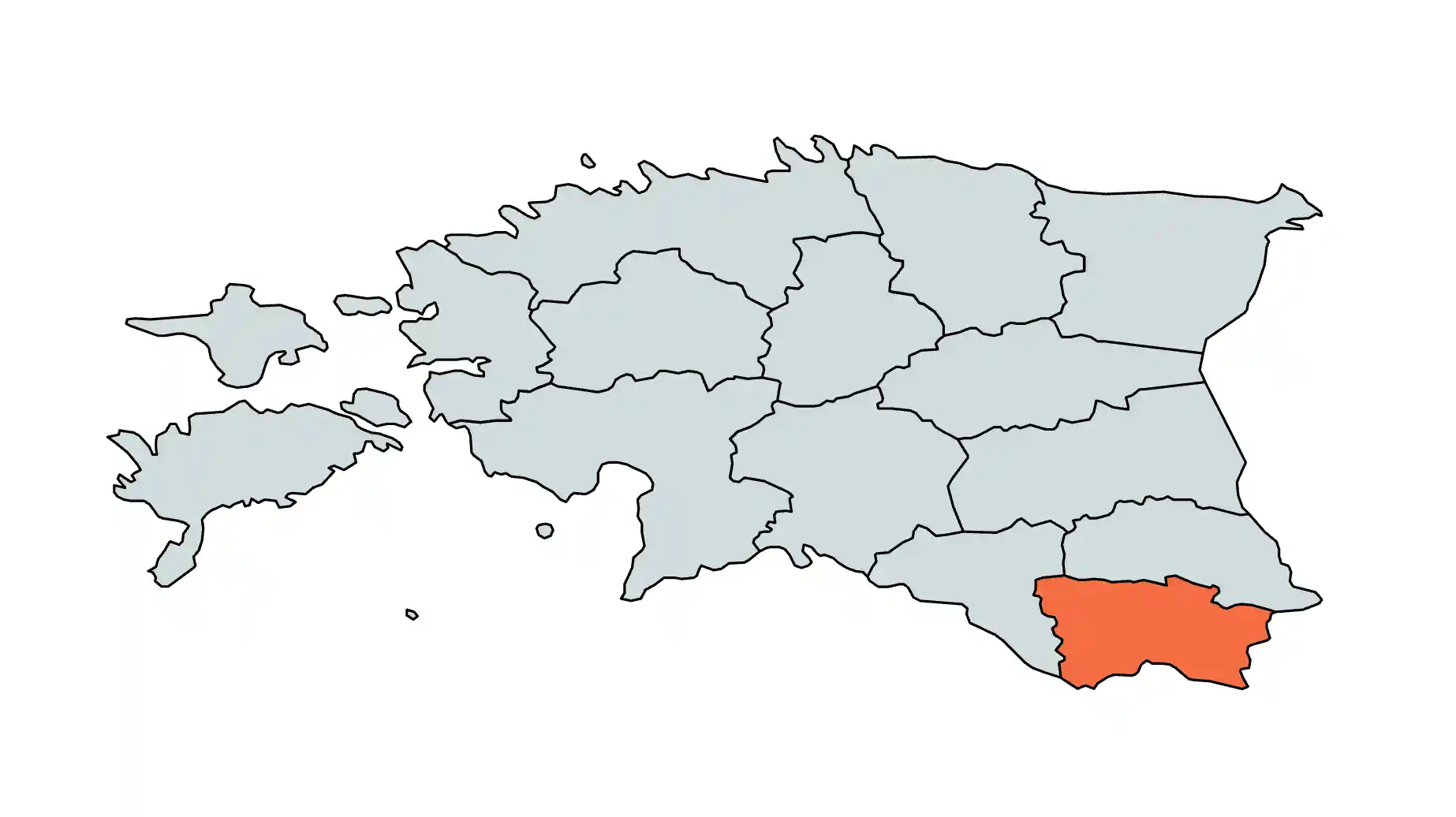
The Võru county is the roof of the country with the most dramatic roads in the land. Drive to the top of Suur Munamägi to stand on the highest point in the Baltics and see the forest ocean stretching into Russia and Latvia. The roads snake through the Haanja highlands with steep climbs and sudden views of hidden lakes. The elevation change makes for an exciting drive that is unlike anything else in the flat northern plains.
The Rõuge Nightingale Valley holds the deepest lakes in Estonia where the water is dark and cold under the steep hills. You can see a modern watchtower and a hydraulic ram pump that has been working for a century. The local smoke saunas are part of a living tradition that is the pride of the southern people. Taking part in a sauna ritual here is a deep cultural experience that connects you with the ancient spirits of the forest.
Explore the Vastseliina castle ruins near the border where pilgrims once traveled to see a miraculous cross. The road to the east leads to the Seto kingdom where the language and customs are unlike anywhere else in the world. It is a land of high peaks and old mysteries. The people here speak a unique dialect and have maintained a strong identity that makes every visit feel like a trip to a secret world.
Võru (county) highlights
- Suur Munamägi Peak Drive to the highest point in the entire Baltic region and climb the observation tower for a view that stretches into three countries. The surrounding hills are covered in a dense ocean of forest that turns brilliant colors in the autumn.
- Rõuge Nightingale Valley Explore a deep valley where a hydraulic ram pump has been pulsing water up the hill for over a century. The valley contains a chain of seven lakes including the deepest lake in the country with its dark blue water.
- Vastseliina Castle Ruins Visit the remains of a massive border fortress that was once a famous pilgrimage site in medieval Europe. You can climb the stone towers and see the cross where a miracle was said to have occurred centuries ago.
- Smoke Sauna Tradition Experience the ancient UNESCO protected sauna culture in a traditional wooden hut with no chimney. The soot covered walls and the scent of birch branches are part of a ritual that has remained unchanged for generations.
- Seto Kingdom Road Follow the winding roads through the homeland of the Seto people where the local language and singing traditions are unique. The villages are filled with colorful houses and small chapels called tsässons hidden in the woods.
- Hinni Canyon Hike through the only canyon in the country where a stream has carved a deep path through white sandstone walls. The narrow valley is a cool and shaded escape with steep cliffs covered in moss and ferns.
- Obinitsa Art Gallery Discover a vibrant center for local folk art and modern Seto culture located in a quiet village near the border. The gallery showcases the bold patterns and silver jewelry that are a hallmark of the local people.
- Luhasoo Bog Trail Walk across one of the most remote and quiet bogs in the south on a wooden path that leads to a tiny forest hut. The landscape is a patchwork of heather and bog pools that stay still as a mirror.
- Tamula Lake Promenade Park in the center of the county town and walk along the sandy lake shore where modern art installations meet the water. The promenade is a popular spot for locals to gather and enjoy the long northern evenings.
- Piusa Sand Caves Explore the massive man made caverns carved into the white sandstone which are now home to thousands of hibernating bats. The museum nearby tells the story of how the sand was mined to create glass in the past.
The local Four
History of Võru (county)
The Võru county is a special county because its main town was actually planned from scratch. In 1784, the Russian Empress Catherine the Great gave the order to build a new town in the southern highlands to help manage the region. This gave the area a very organized feel with straight streets and a grand central square. The county is also home to the highest point in the Baltics, a hill called Suur Munamägi, where people have been building observation towers since 1812.
The people of the south have their own unique language called Võro, which has been spoken in these hills for over 500 years. They have also preserved an ancient tradition called the Smoke Sauna. This isn't just a way to get clean: it’s a sacred ritual that has been passed down through families since the 1200s, using the heat and the smell of wood smoke to heal the body and soul.
Driving through these highlands, you can visit the ruins of the Vastseliina Castle, which was built in 1342. It was once one of the most famous pilgrimage sites in Europe because of a legend about a miraculous cross that appeared in the chapel. Today, the winding roads take you through the steepest hills in the country and past deep, dark lakes. It gives a look at a culture that has stayed proud and independent for centuries.