

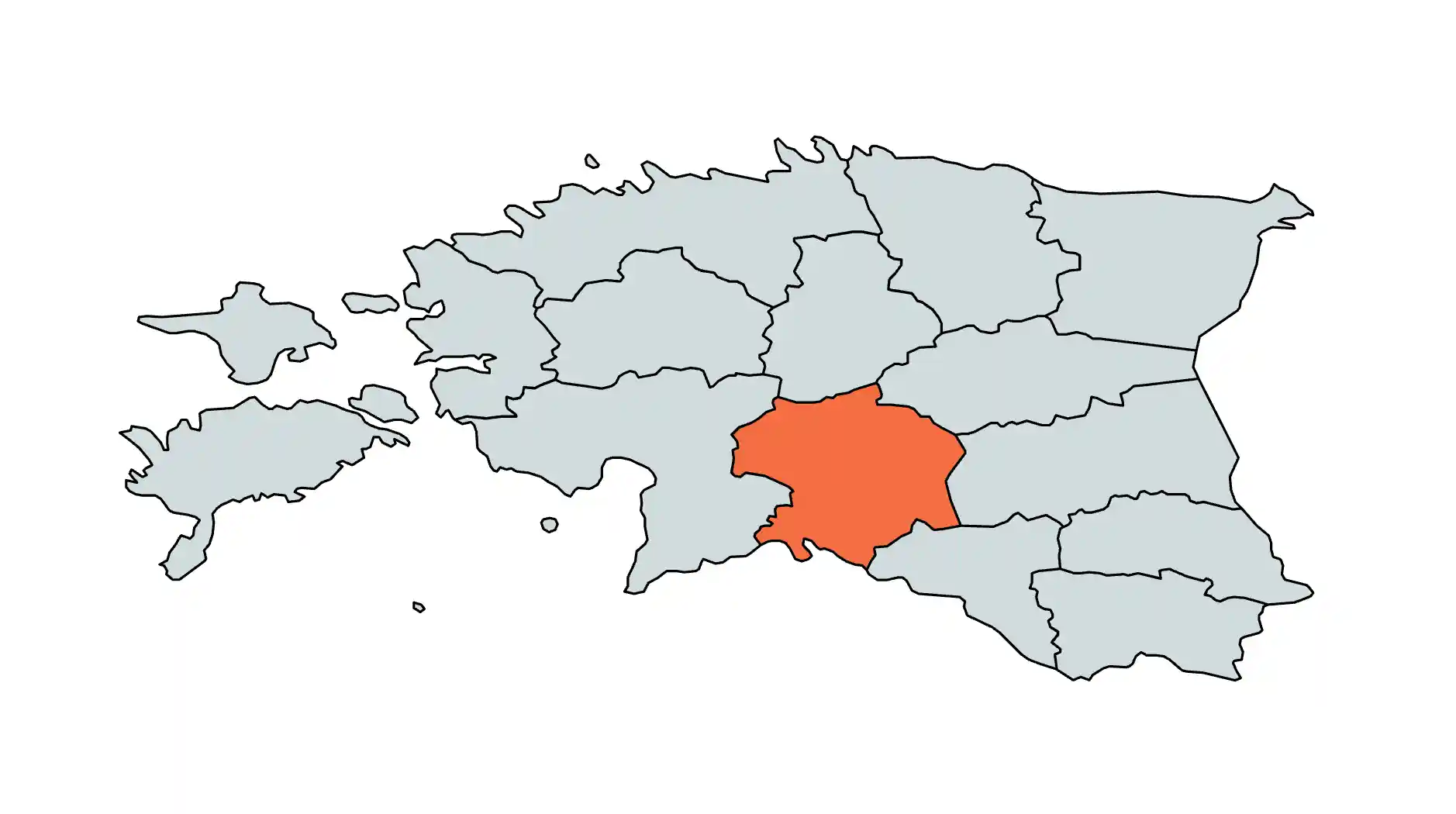
The Mulgi culture in the Viljandi county defines this hilly southern region with its rich farming history and black folk coats. The ruins of the Viljandi Order Castle sit on a massive hill with a suspension bridge spanning a deep valley to reach them. From the ramparts you can see the whole of Lake Viljandi stretching out below the town. The view is especially beautiful in the early morning when the mist hangs over the water and the valley.
Drive south to find the Mulgi Experience Centre which shows how the wealthy farmers of the past lived in their grand wooden estates. The Õisu manor and its park offer a look at the classic Baltic German style with a river carving a valley through the sandstone. The roads here are a rollercoaster of small hills and sharp turns through the woods. Every turn seems to lead to another viewpoint or a small village shop selling local crafts.
The Soomaa park borders this county providing a chance to see the wild flooded meadows from the wooden watchtowers. You can find local craftsmen still making traditional dugout boats from single aspen logs. It is a land of deep traditions and even deeper valleys. The hospitality in the Mulgi region is legendary, and you will often find yourself invited for coffee and cake if you stop at a local farmstead.
Viljandi (county) highlights
- Viljandi Castle Ruins Climb the massive earth ramparts of a thirteenth century fortress to overlook a deep valley and a long shimmering lake. The suspension bridge that leads to the castle is a landmark of the town and offers a great photo spot.
- Soomaa Dugout Canoes Drive to the edge of the national park to see how traditional boats are still carved from a single aspen log. You can take a trip through the flooded forests or walk on boardwalks through the massive bogs.
- Mulgi Experience Centre Learn about the unique Mulgi culture which was defined by wealthy flax farmers who built grand estates in the south. The museum is housed in a historic farmstead and shows the traditions and dialect of the region.
- Õisu Manor and Valley Visit a grand white mansion sitting on the edge of a steep sandstone valley carved by a river. The park is filled with old sculptures and offers a trail that leads down to the riverbanks and a quiet lake.
- Heimtali Distillery Museum Explore a unique circular stone building that once served as a manor distillery and now houses a museum of local crafts. The interior is filled with hand woven textiles and traditional tools used by the southern people.
- Sinialliku Blue Springs Hike through the forest to find a group of crystal clear springs where the water has a deep blue tint due to the limestone ground. The ruins of an ancient hillfort nearby overlook the valley and the water.
- Karksi Castle and Leaning Church Discover a ruined stone fortress on a steep hill where the local church tower leans visibly to one side. The view from the castle walls over the surrounding apple orchards and valleys is one of the best in the south.
- Loodi Sandstone Outcrops Explore the red rock walls hidden in a deep forest canyon often called the local "Little Taevaskoja." The area is quiet and off the main tourist path, offering a rugged hike through the river valley.
- Tarvastu Order Castle Visit the remains of a fourteenth century fortress located on a high hill overlooking a winding river. A suspension bridge connects the castle hill to the local park and a historic stone chapel.
- Viljandi Lake Promenade Cruise the road that circles the massive lake to find small beaches and quiet spots for birdwatching. The promenade near the town is a vibrant area for walking while the far side of the lake is wild and forested.
The local Four
History of Viljandi (county)
In the 1300s, the Viljandi county was home to one of the largest and most powerful fortresses in Northern Europe. The Order Castle sat on a massive hill and was the heart of the region's power for centuries. It was also a wealthy member of the Hanseatic League, a group of trade cities that moved goods across the seas. Although only ruins remain today, you can still walk across a famous suspension bridge to reach the castle hill and see the incredible views over the lake.
The county is the heart of the Mulgi culture, which became very famous in the 1860s. During this time, local farmers became some of the first in the country to get rich by growing and selling flax. They used their money to buy their own farms from the nobility, which was a huge deal at the time. These wealthy Mulgi farmers were known for their black folk coats and their big, beautiful farmhouses that still dot the rolling hills today.
Viljandi is also a place where folk music and ancient traditions have never died out. For over a century, the region has been a center for traditional crafts and songs. Every year, thousands of people gather in the castle ruins to celebrate this heritage. The history of the region is a mix of medieval power and the success of the local farmers. All set in a landscape of deep valleys and old stone walls.