

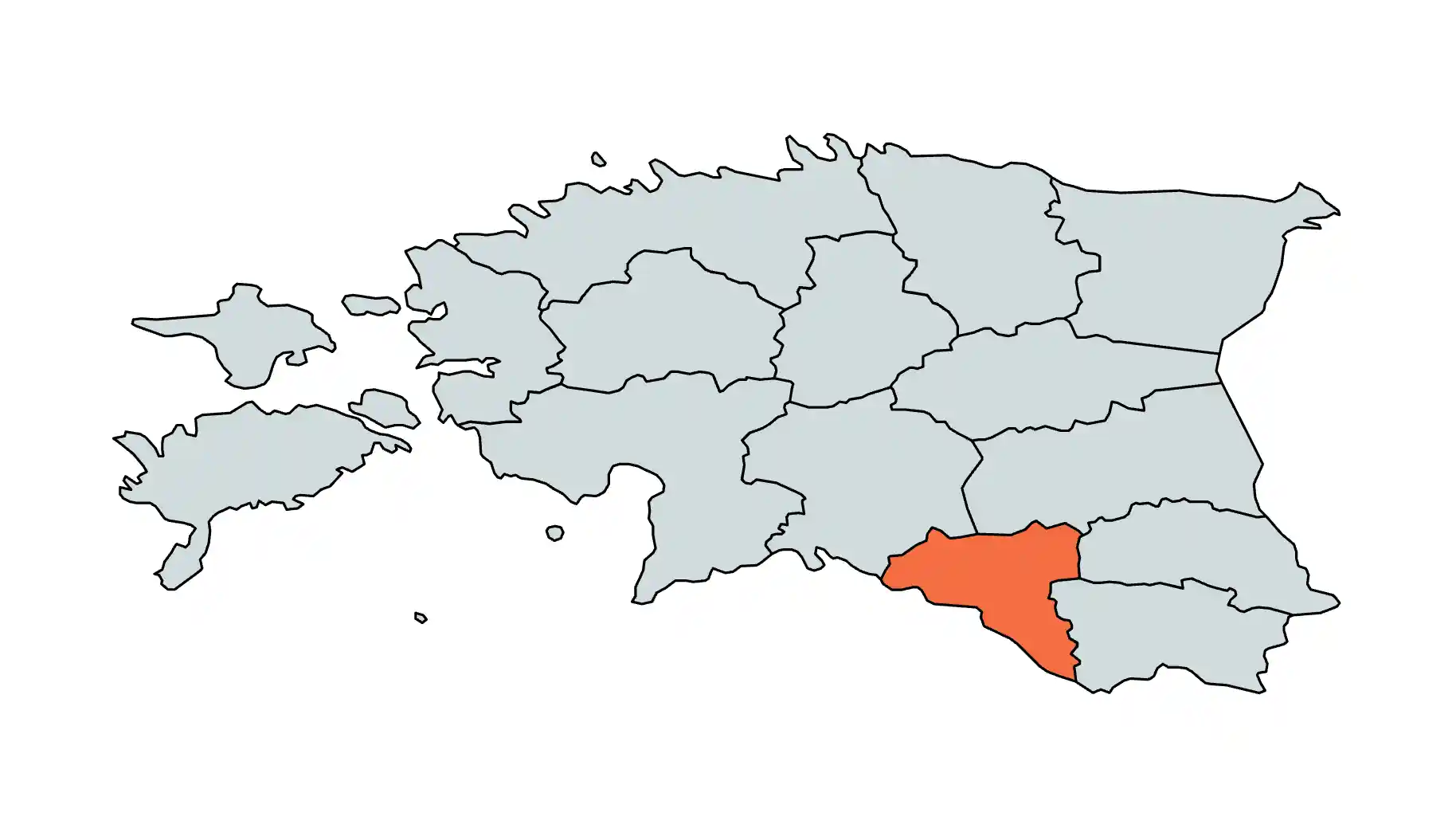
The hilly southern border of the Valga county is a place of castles and twin towns. Valga sits right on the line with Latvia where you can stand with one foot in each country on the main square. The architecture changes as you move through the streets reflecting a mix of northern and southern influences. It is a unique experience to see two different nations sharing the same street and local markets.
The Sangaste castle is a red-brick wonder inspired by Windsor with over ninety rooms and a massive forest park. It was the home of the Rye King who developed a famous local grain still grown today. The roads wind through the Otepää highlands where the hills get steeper and the views get wider. This is the highest terrain in the country, providing a driving experience that feels more like a mountain journey.
Visit the Helme caves where people once hid during wars and the ruins of the local castle stand on a steep slope. The lake district near Tõrva offers deep blue water for swimming and quiet forest roads for driving. It is a county of grand brickwork and hidden valleys. The local history is visible in every stone wall and the unique way the farmhouses are nestled into the protection of the hills.
Valga (county) highlights
- Sangaste Rye Castle Visit a red brick masterpiece modeled after Windsor Castle which was built by the king of rye in the nineteenth century. The grand halls and the massive forest park with rare trees make it a highlight of the southern border.
- Valga Town Hall Square Stand in the center of a town that is split between two countries where you can cross the border into Latvia on foot. The historic buildings reflect a mix of cultures and the unique history of a town divided by a line.
- Helme Caves and Castle Explore a network of white sandstone caves where people once hid from invading armies beneath a ruined stone fortress. The "Spring of Youth" nearby is a quiet spot where pure water flows from the hill.
- Otepää Highland View Drive to the highest part of the region to overlook a landscape of steep hills and hidden lakes. The town is known as the winter capital but offers lush green hiking trails and swimming spots in the summer.
- Pühajärv Holy Lake Park by the most beautiful lake in the country which is dotted with five small islands covered in ancient trees. You can walk the entire perimeter of the lake on a trail that offers constant views of the water.
- Taagepera Castle Tower Discover a stunning art nouveau mansion with a tall thin tower that looks like it belongs in a fairytale. The castle is surrounded by a quiet forest and is known for its incredible architecture and romantic atmosphere.
- Kuutsemäe Mountain Road Navigate the winding roads that lead to the top of a high hill where you can see across the border into the Latvian forests. It is one of the few places in the country where the roads feel like a true mountain pass.
- Barclay de Tolly Mausoleum Visit the final resting place of a world famous Russian field marshal located in a quiet park in Jõgeva. The neoclassical monument is a surprising piece of world history tucked away in the Estonian countryside.
- Tõrva Vanamõisa Lake Stop at a deep spring fed lake with a high wooden diving tower that is a landmark for local swimmers. The water is exceptionally clean and the surrounding pine forest provides a shaded spot for a picnic.
- Hummuli Battle Site Explore the historic fields where a massive northern war battle took place in the early eighteenth century. The local manor house nearby is a grand stone building that now serves as a local school and community center.
The local Four
History of Valga (county)
The history of the Valga county is defined by its role as a borderland. In 1584, the town of Valga was given special rights by a Polish King, but its most famous moment came in 1920. After a long war for independence, a British official was brought in to draw the final border between the new countries of Estonia and Latvia. He famously drew the line right through the middle of the town, splitting families and streets into two different nations that still exist today.
The region was also the site of one of the most important battles in modern history. In January 1919, a fierce fight took place at Paju Manor that decided the fate of the southern part of the country. Brave soldiers, including volunteers from Finland, fought through deep snow to reclaim the land. Today, a massive granite monument stands on a hill at the battlefield to honor the people who fought for the country's freedom over a hundred years ago.
Driving through the hills, you will find the Sangaste Castle, a red brick palace built in the late 1800s. It was modeled after a famous castle in England and has over 90 rooms. The man who built it was known as the Rye King because he spent his life developing a special kind of winter grain that could survive the cold northern climate. This mix of grand castles and border history makes the southern hills a unique place to explore.