

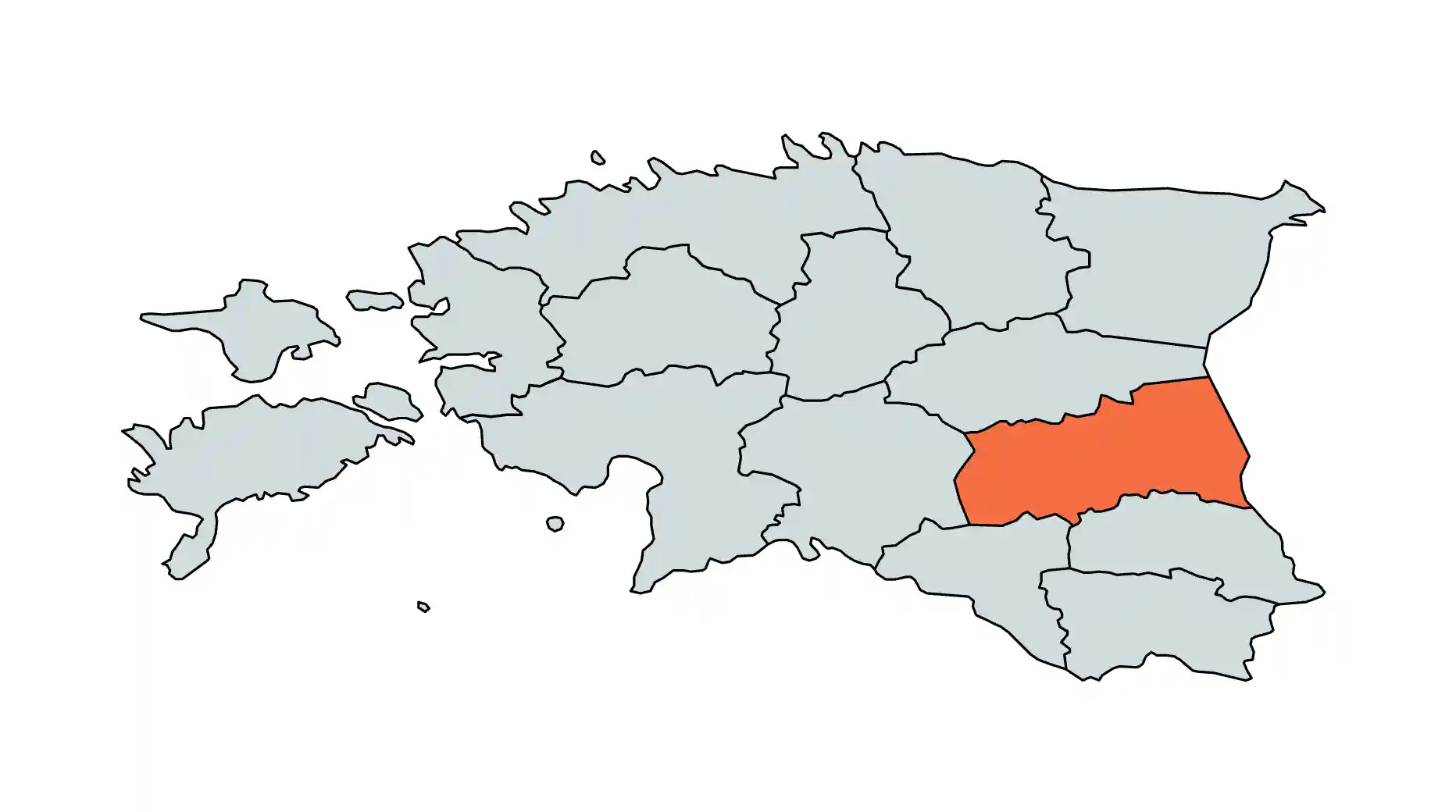
Venture out to the Onion Route along the edge of Lake Peipus in the Tartu county. This is the land of the Old Believers who live in long ribbon villages where every house has a garden full of onions. You can see the colorful wooden prayer houses and buy smoked fish from small smokehouses along the road. The lake itself is so large that it looks like a sea, with waves lapping against the sandy shores and reed beds.
The Alatskivi castle looks like it was plucked from a fairy tale with its white towers and slate roofs. It sits in a large park near the lake and tells the story of the local nobility and their servants. The rolling hills around Elva provide a different landscape with pine forests and crystal clear swimming lakes. These lakes are hidden gems with small sandy beaches that are perfect for a private swim during your road trip.
The Emajõgi river valley is a lush wetland where you can take a boat trip through the reeds and marshes. It is a county of high culture and deep rural roots where the university influence meets the simple life of the lake fishermen. The roads are a mix of forest tunnels and open lake views. You will find that the transition from the sophisticated city vibes to the humble lake villages happens in just a few miles.
Tartu (county) highlights
- Peipus Onion Route Drive through a string of colorful villages where the houses are built right along the road and gardens are filled with onions. You can buy smoked fish and hand braided onion garlands directly from the local growers.
- Alatskivi Fairy Tale Castle Visit a stunning white manor house inspired by a Scottish castle with its sharp towers and elegant interiors. The estate sits in a large park near the lake and tells the story of the local nobility and their servants.
- Old Believers Prayer Houses. Discover the unique religious architecture of the lake shore villages where the traditional Russian Orthodox culture is still vibrant. The colorful wooden buildings and quiet cemeteries are a world apart from the rest of the country.
- Kallaste Red Sandstone Cliffs Explore the longest sandstone outcrop on the shore of Lake Peipus where the waves have carved small caves into the red rock. The town above the cliffs is a quiet fishing harbor with a long history of lake trade.
- Emajõgi River Wetlands Take a boat trip or a hike through the vast marshes that surround the river as it flows toward the great lake. It is a wilderness area filled with rare birds and water lilies that bloom in the summer heat.
- Elva Pine Forest Lakes Drive to a quiet town surrounded by deep pine woods and crystal clear lakes with sandy beaches. The air is famous for its health benefits and the forest trails are perfect for a relaxed afternoon walk.
- Luke Manor Park Visit the remains of an estate known for its beautifully restored gardener's house and a pond with a stone lion. The park is a popular spot for outdoor concerts and is one of the best preserved manor landscapes in the south.
- Estonian Aviation Museum Explore an outdoor collection of nearly thirty aircraft including fighter jets and helicopters located in a field. It is a fantastic stop for anyone interested in technical history and the evolution of flight.
- Tamme Outcrop on Lake Võrtsjärv Navigate to the shore of the second largest lake in the country to find a sandstone cliff hidden in the trees. The view across the shallow water is especially beautiful at sunrise when the mist hangs over the reeds.
- Saadjärv Drumlin Field Drive through a region where the hills and lakes all run in the same direction due to ancient glacial movement. The Lake Museum on the shore offers a look at the fish and plants that live in these deep glacial waters.
The local Four
History of Tartu (county)
Tartu county is the oldest city in the Baltics, first mentioned in the year 1030. It has been the cultural and intellectual center of the north. The biggest turning point happened in 1632, when the University of Tartu was founded by the King of Sweden. This made the region a hub for scientists and thinkers and today the old university buildings and the observatory are some of the most historic sites you can visit.
In the 1800s, the region became the birthplace of the national identity. In 1869, the very first National Song Festival was held here, where thousands of people gathered to sing together for the first time. This tradition grew into a massive movement that eventually helped the country gain its independence. The city was also the site of a major peace treaty in 1920, where the new republic was officially recognized as an independent nation after centuries of foreign rule.
Along the shores of the massive Lake Peipus, a different history lives on. Since the late 1600s, a group called the Old Believers has lived in quiet villages along the water, keeping their ancient religious traditions alive. They are famous for their unique houses and their vast onion gardens. Driving through this area today feels like a trip back in time, where the slow pace of life on the lake meets the grand history of the university hills.