

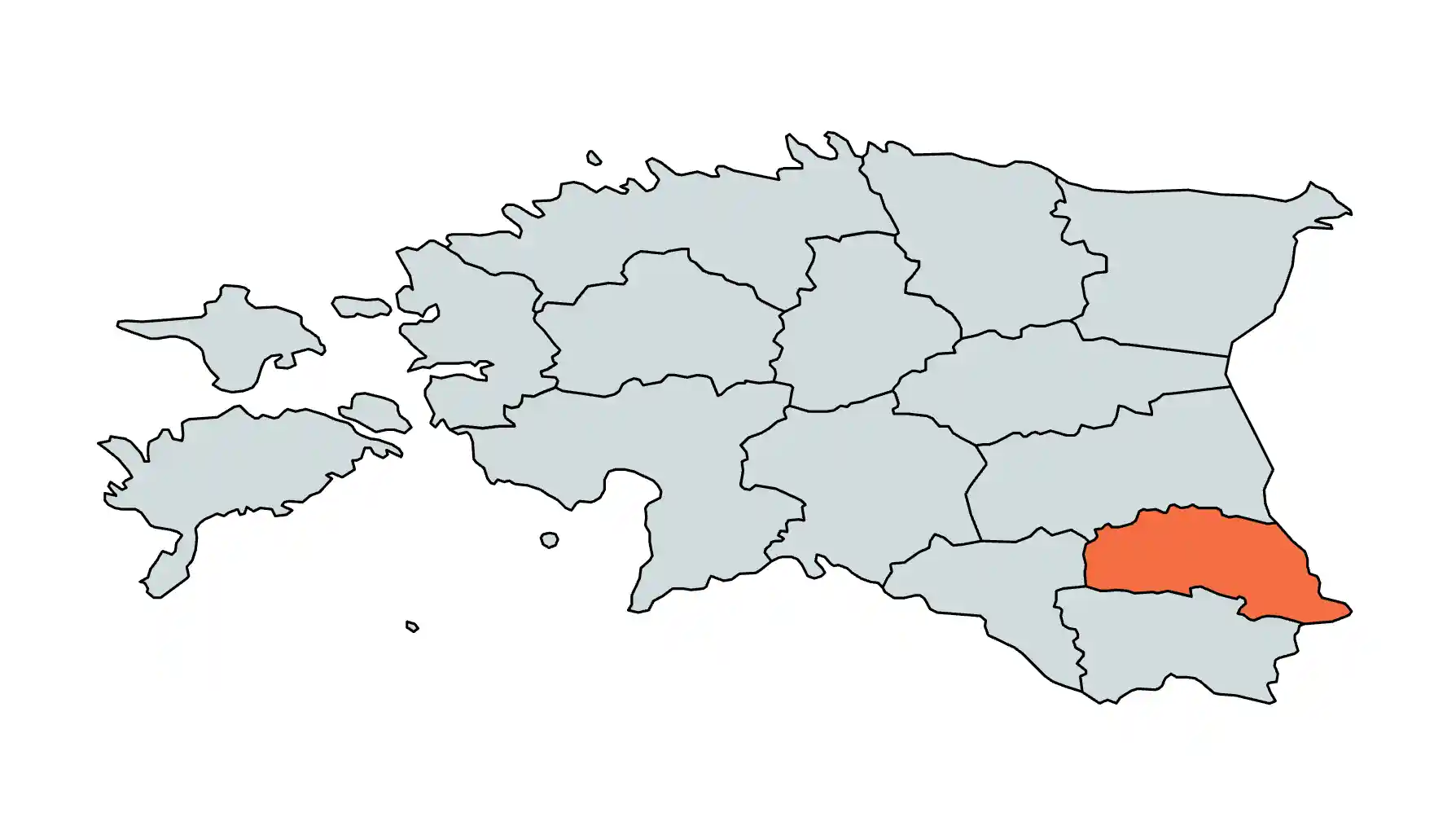
Get ready for the red sandstone world of the Põlva county. The Taevaskoja cliffs rise high above the Ahja river with orange rock walls reflected in the calm water. You can hike the forest paths to find the Mother’s Spring where the water is pure and cold even in the heat of summer. The river itself is popular for quiet canoe trips where the only thing you hear is the paddle dipping into the water.
Follow the historic Post Road which was once the main route for stagecoaches traveling between big cities. It is a winding drive through deep woods and past old milestones and coaching inns. The Seto culture is strong here with traditional singing and colorful folk dress still part of daily life in the villages. Stopping at a local museum will give you a glimpse into a culture that maintains its own unique language and calendar.
The Meenikunno bog offers a change of pace with its sandy ridges and sunburnt moss. You can climb the watchtower to see the patchwork of forest and swamp stretching toward the border. It is a place of deep colors and ancient traditions. The roads in this county are some of the most scenic in the country, curving through hills that offer new surprises at every turn.
Põlva (county) highlights
- Suur Taevaskoja Cliffs Marvel at the massive orange sandstone walls that rise high above the Ahja River in the heart of the forest. The echo from the cliffs and the crystal clear water make it one of the most magical spots in the south.
- Estonian Road Museum Drive through a museum built on a historic stagecoach route where you can see every type of vehicle from carriages to Soviet cars. The outdoor exhibits include a mock up of an old time village road and a gas station.
- Mooste Manor Distillery Visit a grand brick estate that has been turned into a center for traditional crafts and folk music. The old distillery building is a masterpiece of industrial architecture and now houses a photography center and workshops.
- Meenikunno Bog Trail Explore a sun drenched landscape of red moss and white cotton grass on a wooden boardwalk that crosses the entire swamp. The sandy ridges at the edge of the bog are covered in berries and offer great views.
- Seto Farm Museum Learn about the unique culture of the Seto people who live on the border and have their own king and ancient singing traditions. The museum features a traditional fortress like farmstead with thick wooden walls and gates.
- Post Road Scenic Drive Follow a winding stretch of the old highway between Tartu and Võru which has remained unchanged for over a century. The road curves through deep valleys and past historic coaching inns and old milestones.
- Piusa River Valley Navigate the steep banks of a river that has carved deep canyons into the sandstone of the southern highlands. The area is filled with ruins of old mills and high viewpoints that look over the forest canopy.
- Ilumetsa Meteorite Craters Discover a group of impact sites hidden in the pine forest where legends say the devil himself left a mark on the earth. The largest crater is called the Hell Grave and features a wooden staircase to the bottom.
- Räpina Paper Mill See the oldest working industrial building in the country where paper has been produced since the eighteenth century. The nearby manor house and its park are located on a peninsula surrounded by a peaceful lake.
- Valgesoo Observation Tower Climb a modern wooden tower to overlook a small bog and a forest that was once used for secret military training. The view of the mist rising from the trees in the morning is one of the best in the county.
The local Four
History of Põlva (county)
The history of the Põlva county is written in the bright orange sandstone cliffs of Taevaskoja, which have been used as sacred gathering places for thousands of years. Since the Iron Age, people have come to these riverside cliffs to find pure spring water and to hold ancient rituals in the forest. The soft rock is filled with small caves and echoes, giving a mysterious atmosphere that has inspired local legends about hidden spirits and underground kingdoms for generations.
The region is also famous for its Post Road, a winding route that has been a major highway for over 300 years. In the 1600s, Swedish mail riders used this path to carry letters between the big cities. It became a formal stagecoach route with coaching inns every few miles. Traveling this road today is like driving through history, as the path still follows the natural curves of the hills and valleys exactly as it did for the horse drawn carriages of the past.
Põlva is the ancestral home of the Seto people, a unique group with a culture that is over a thousand years old. They have their own language and a very special style of folk singing. Their history is one of surviving on the border, where they built strong, fortress-like farms to stay safe. Their colorful traditions and ancient songs are still a vibrant part of daily life in the southern villages today.